
Microsoft’s AI Transformation, Project Turing and smarter search with Rangan Majumder
Rangan Majumder is the Partner Group Program Manager of Microsoft’s Search and AI, and he has a simple goal: to make the world smarter and more productive. But nobody said simple was easy, so he and his team are working…
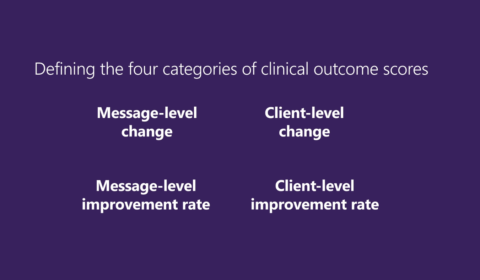
Data-driven insights for more effective, personalized care in online mental health interventions
| Anja Thieme and Danielle Belgrave
Increases in the occurrence and global effect of mental illness have made the prevention and treatment of mental health problems a public health priority. To address the need for more access to mental health treatment, digital psychotherapy programs, such as…
In the news | Horizon: the EU Research & Innovation Magazine
The story behind that little padlock in your browser
Whenever you see a little padlock in the address bar of your internet browser, as well as when you use apps, email and messaging, you’re relying on something called ‘transport layer security’ or TLS. It’s a protocol that keeps us…
In the news | NOAA Fisheries
Using Artificial Intelligence To Identify Endangered Beluga Whales
Scientists partnered with tech industry experts to develop the first machine learning application for acoustic monitoring of Alaskan beluga whales. An innovative machine learning application will help scientists collect information essential to protect and recover the endangered Cook Inlet beluga…

Coyote: Making it easier for developers to build reliable asynchronous software
| Akash Lal
For developers, writing bug-free software that doesn’t crash is getting difficult in an increasingly competitive world where software needs to ship before it becomes obsolete. This challenge is especially apparent with online cloud services, which are often dictated by aggressive…
In the news | Microsoft Research Blog
Coyote Release
Coyote: Making it easier for developers to build reliable asynchronous software
In the news | ZDNet
Microsoft’s Healthcare Bot service helps power CDC’s COVID-19 assessment bot
Microsoft is continuing to step up its internal and external efforts to fight the COVID-19 coronavirus. Last week, Microsoft announced that the U.S. Centers for Disease Control and Prevention (CDC) is using Microsoft's Healthcare chat bot service to power its…
In the news | Official Microsoft Blog
Delivering information and eliminating bottlenecks with CDC’s COVID-19 assessment bot
In a crisis like the COVID-19 pandemic, it’s not only important to deliver medical care but to also provide information to help people make decisions and prevent health systems from being overwhelmed. Microsoft is helping with this challenge by offering…