In the news | Microsoft Source
Microsoft announces US $3bn investment over two years in India cloud and AI infrastructure to accelerate adoption of AI, skilling and innovation
During his visit to India, Microsoft chairman and CEO Satya Nadella today announced the company’s plans to invest US $3 billion in India in cloud and AI infrastructure and skilling over the next two years, including the establishment of new…
In the news | Microsoft Source Asia
Chasing peak sugar: India’s sugar cane farmers use AI to predict weather, fight pests and optimize harvests
The technology brings in weather, soil and other data from satellites as well as farm sensors onto a Microsoft data platform called Azure Data Manager for Agriculture (previously called FarmBeats), so farmers can see precisely what’s happening at their farm…
In the news | Tech Community
Unlocking the Magic of Embedding Models: Practical Patterns for Healthcare AI
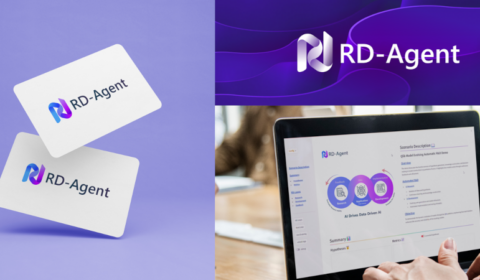
In industry today, research and development (R&D) plays a pivotal role in boosting productivity, especially in the AI era. However, the rapid advance of AI has exposed the limitations of traditional R&D automation methods. These methods often lack the intelligence…

微软亚洲研究院2024年度技术大展限时开启!
欢迎来到微软亚洲研究院2024年度技术大展——人工智能未来之旅! (点击展台相关图片,可了解更多技术细节) 欢迎来到“创新前沿”展区,在这里,你将了解到微软亚洲研究院在基础研究领域的创新突破。这些成果涵盖了模型架构、算法优化、系统网络和数据处理等多个关键领域,不仅拓展了人工智能的能力边界,也为人工智能的未来发展奠定了坚实的基础。 展台A:能力跃迁 - 模型架构创新 随着人工智能...

2024技术回顾:Kevin Scott解读AI的变革力量
随着2024年即将结束,微软首席技术官 Kevin Scott 在他最新一期的《Behind the Tech》播客中回顾了2024年的技术发展,从创意、教育和技术转型三个维度出发,与多位嘉宾深入探讨了 AI 所带来的深远影响,并分享了他对技术未来的独到见解。 完整版播客: 播客链接:https://www.microsoft.com/en-us/behind-the-tech/year-in-r...
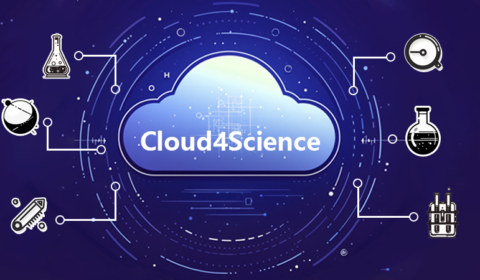
迈向Z级计算:Cloud4Science范式加速科学发现进程
编者按:传统超级计算机作为科学计算的核心支柱,在推动技术进步方面发挥了不可替代的作用,但随着科学智能时代下需求的多样化和复杂化,其扩展性和能效的局限逐渐显现。针对这一挑战,微软亚洲研究院的研究员提出了 Cloud4Science 的新范式,以云计算、人工智能和高性能计算技术的深度融合为核心,重新定义科学计算的架构,加速科学智能的研究进展。在此框架下,研究员们已对关键科学计算算法如 Stencil、...

AIOpsLab: Building AI agents for autonomous clouds
| Minghua Ma, Gagan Somashekar, Rujia Wang, Chetan Bansal, and Saravan Rajmohan
AIOpsLab is an open-source framework designed to evaluate and improve AI agents for cloud operations, offering standardized, scalable benchmarks for real-world testing, enhancing cloud system reliability.

Microsoft Research did extraordinary work this year, using AI and scientific research to make progress on real-world challenges like climate change, food security, global health, and human trafficking. Learn more.