Tag: Blogger Series
Explore:

5 ways the legal sector can innovate and empower employees in the future of work
Digital innovation is an opportunity for legal organisations to be successful in the future of work, by supporting employees and optimising operations.
Ten tips to help educators run live events on Teams
By giving employees the ability to share knowledge, skills, and practice together, you can learn how to run a successful online event with Teams.
How a modern data strategy can position your business for success in the new normal
Discover how a modern data strategy can help you drive business goals and become a more resilient, adaptable retail organisation.
How to make engaging virtual lessons for students
With PowerPoint and Microsoft Stream, you can create engaging and creative virtual lessons you can share with students in a remote learning environment.
How Fife Council enabled productive and secure remote working with Windows Virtual Desktop
Fife Council share practical tips to enable productive and secure remote working with Windows Virtual Desktop based on learnings from their own journey.
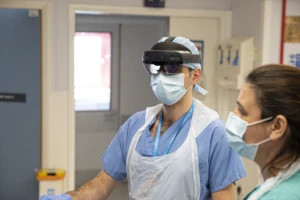
How HoloLens and Dynamics 365 Remote Assist helps the NHS provide patient care
Discover real life use cases for HoloLens and Remote Assist to provide patient care remotely, and improve employee outcomes.
Return to work: Three ways technology can enable employee safety
Take a people-first approach to returning to the workplace, by putting employee safety and wellbeing first to drive better engagement from their employees.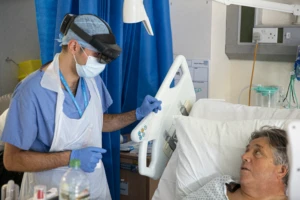
Defining and implementing HoloLens and Dynamics 365 Remote Assist use cases
HoloLens and Remote Assist is as a functional tool to support collaboration remotely for healthcare practitioners. Read more.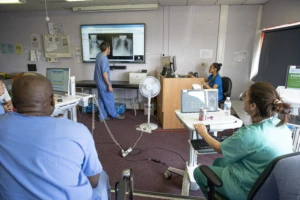
Measuring patient and clinical effectiveness
Imperial College Healthcare NHS Trust is improving patient and clinical effectiveness by using HoloLens 2 and Remote Assist.
What’s next: How can other NHS Trusts get involved?
We’re seeing the potential applications for HoloLens 2 and remote assist to improve distributed geographic care and primary care scenarios.