

Teachers: Thank you for inspiring students in their learning
Today is National Teacher Appreciation Day, and I’d like to start by expressing my personal thanks and gratitude for everything teachers do.
Learn how to strengthen and support your educators, students, and school community.

Today is National Teacher Appreciation Day, and I’d like to start by expressing my personal thanks and gratitude for everything teachers do.
As educators, you have always been innovators, finding creative ways to bring the real world into classrooms and helping students expand their horizons in ways others might have thought impossible.

The spring season has sprung in many places around the world, reminding us that learning never stops changing. Neither does our focus on providing you with new resources that equip you and your students for success in any learning environment.

Teachers have always known that social-emotional skills are important for academic achievement, well-being, and more.

Around the world, schools that successfully shifted to remote and hybrid learning have many things in common, including, resilient educators, nimble school leaders, and hard-working students.

After more than a year of ongoing disruption and uncertainty due to COVID-19, some universities and colleges around the world are navigating a return to pre-pandemic routines, while also realizing that life on campus will never be the same.
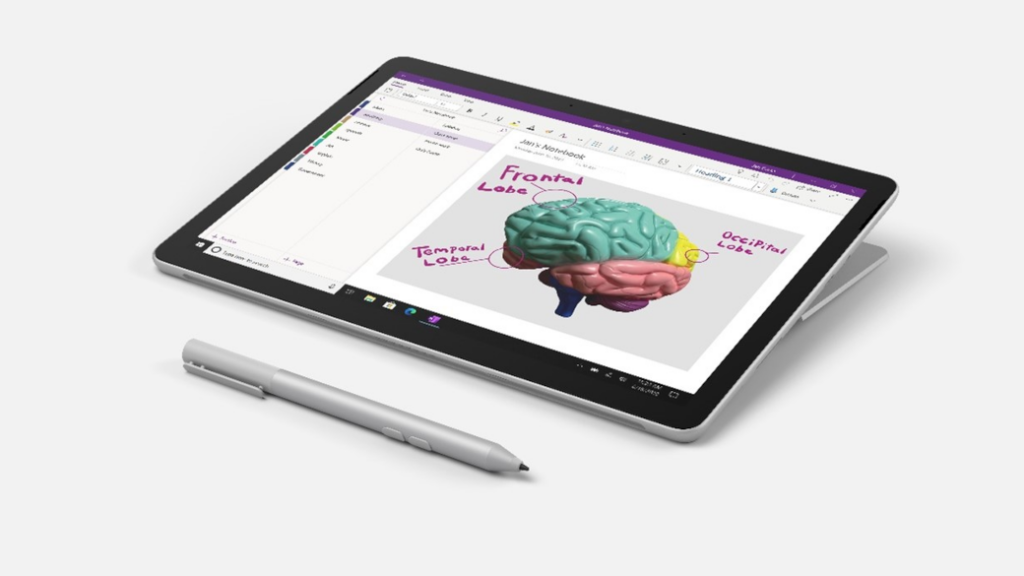
Over the past year, students and educators have shown their resilience by navigating remote and hybrid classroom settings and adopting new technologies.
For the last seven years, Microsoft E2 | Education Exchange has brought education changemakers together from around the globe.
Originally presented on April 22, 2021, all sessions from the Higher Education Reimagined event are now available free on-demand.

The events of the past year have had an immense and likely long-lasting impact on the global economy, the job market, and education systems.
The Microsoft E2 | Education Exchange may be over, but educators are just getting started!

It’s a given that experiential and hands-on learning can help drive concepts home while reinforcing real-world skills.
Watch Reimagine Education


Get inspired by stories from Microsoft Education customers.

Expand possibilities with educator training and professional learning resources.

Discover a collection of resources to support a variety of educational topics.