

Duval school leaders share tips for transitioning to remote learning
Educators are preparing for the upcoming academic year following a spring in which remote learning became the norm.
Learn how to strengthen and support your educators, students, and school community.
Educators are preparing for the upcoming academic year following a spring in which remote learning became the norm.
As schools around the world swiftly transitioned to remote learning, many realized that technology was not the foremost concern, it was the well-being of students. This was no different for Exeter College. Serving students ages 16 and up, the U.K.
As I write this, class may be in session—most likely online—for many schools and universities around the world. Over the past several months, how we teach and how we learn has been flipped upside down.
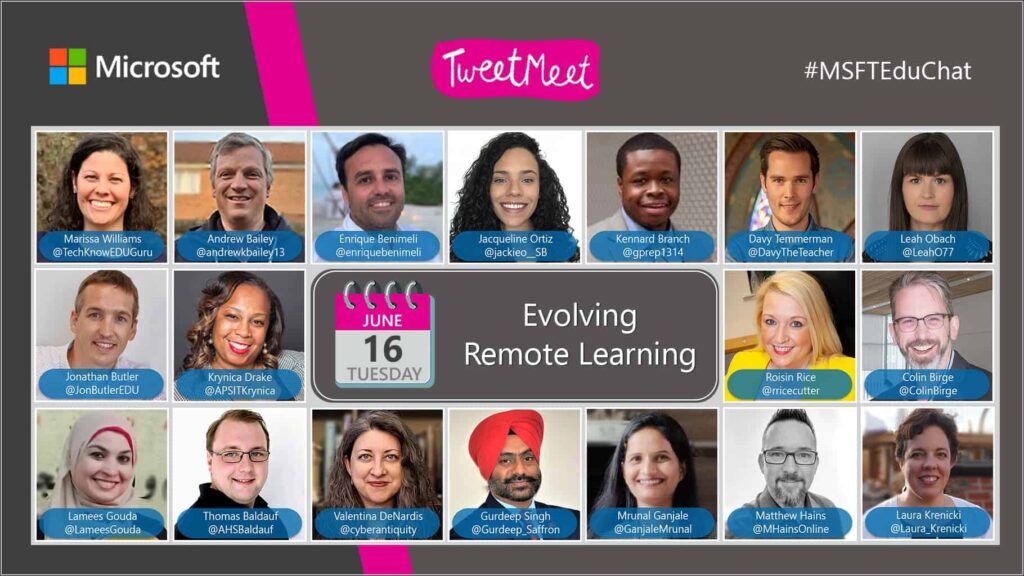
With circumstances evolving rapidly around the globe, educators, students, and families have adjusted to remote learning as the norm. We’re happy to provide you the opportunity to discuss the impact that remote learning has had on you and your students.
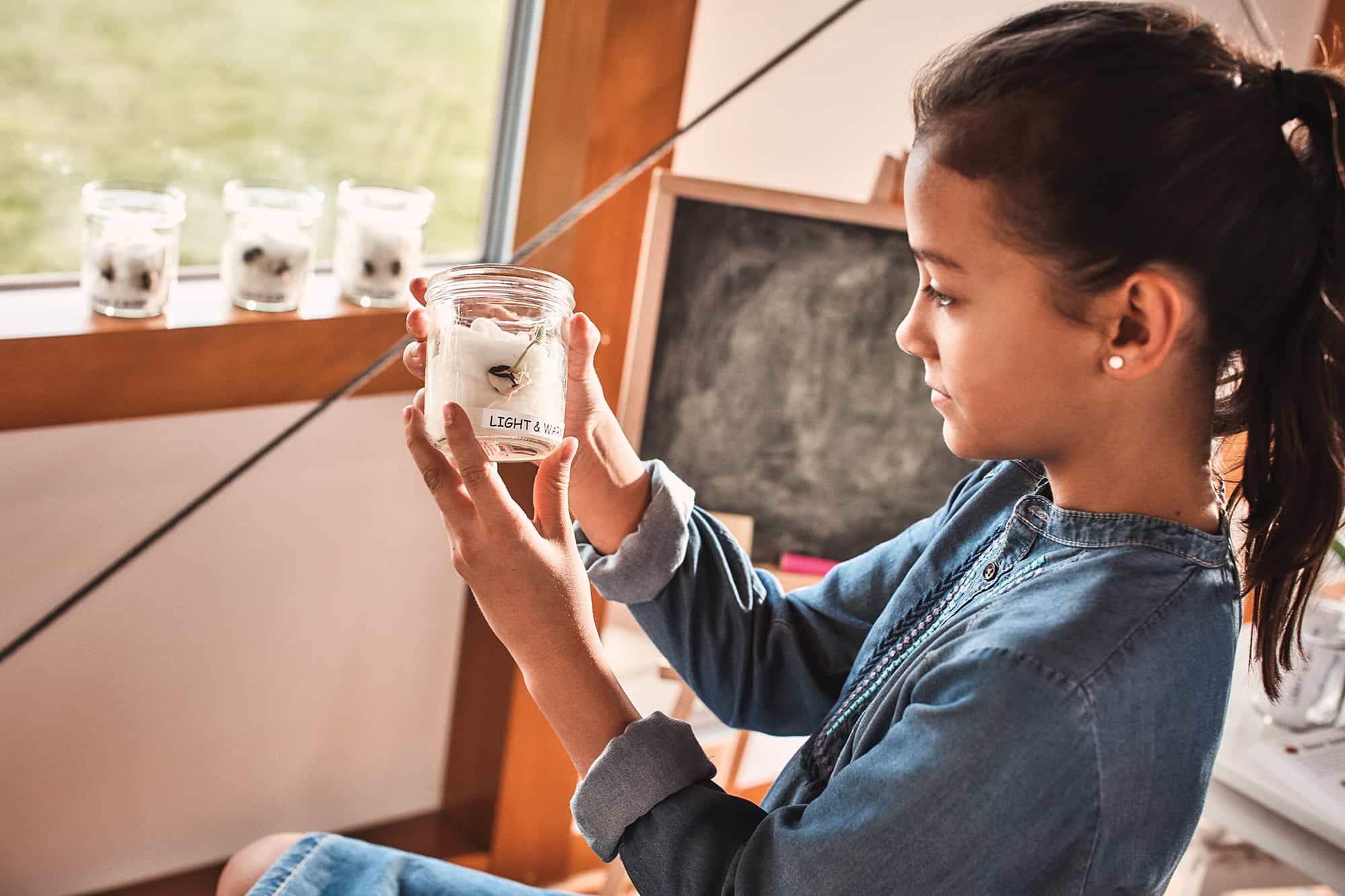
When the Fresno Unified School District embarked on a personalized learning initiative four years ago, administrators could hardly have envisioned how the effort would be paying off today.

We’ve been hearing incredible stories these past two months about educators who, in very different global settings, are leveraging technology and their own expertise to drive a successful transition to remote learning while maintaining close ties to students from afar.
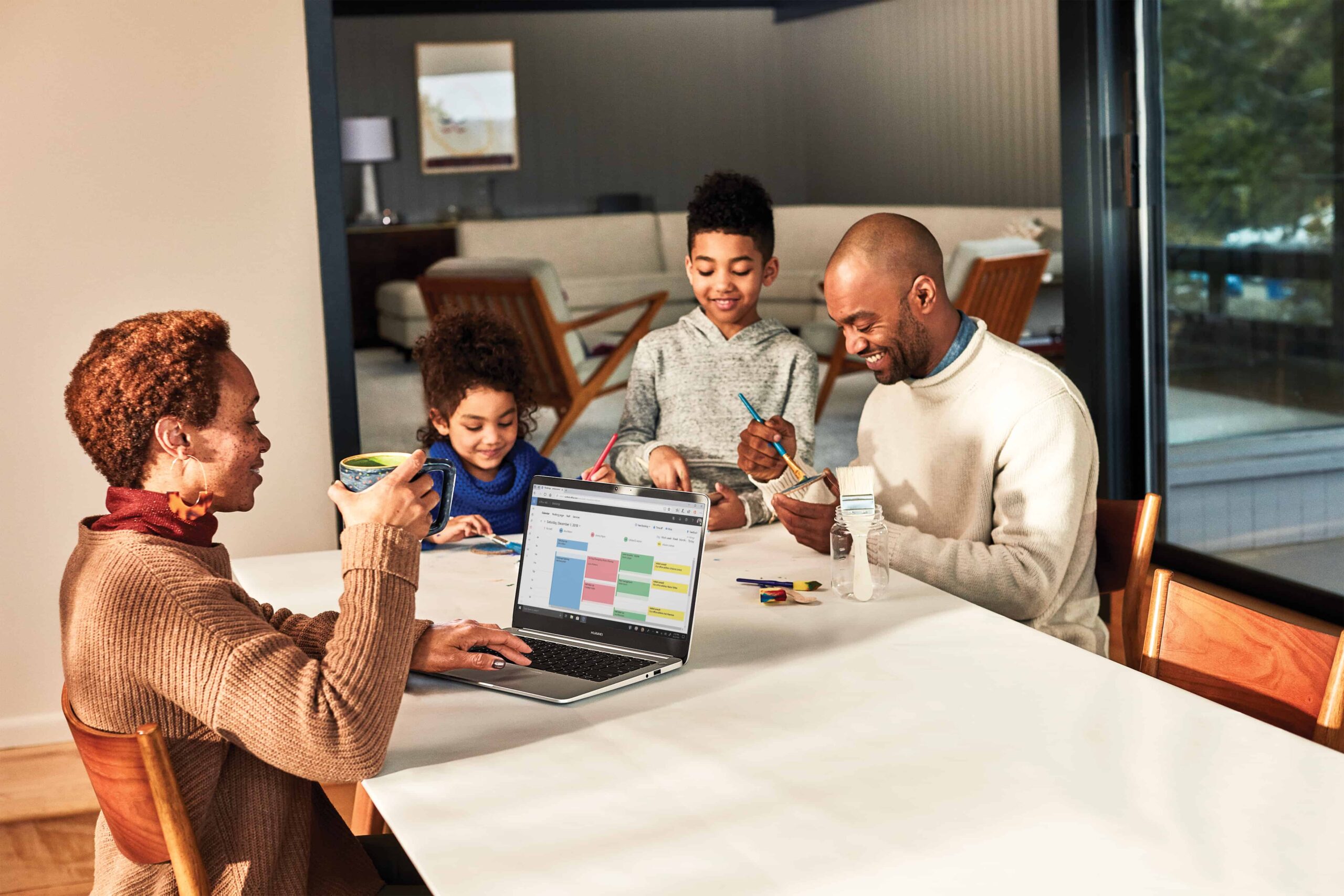
We are delighted to share the new paper, “Reimagining education: From remote to hybrid learning,” a collaboration between Microsoft and New Pedagogies for Deep Learning.

More than ever, educators are relying on technology to create inclusive learning environments that support all learners.

Two New Jersey schools are experiencing success amid the challenges of remote learning.

As we continue getting used to our kitchens, living rooms, and bedrooms doubling as offices, virtual meeting rooms, and classrooms, many people are starting to ask, “What’s next?” And since more than 1.
Schools around the world are exploring new approaches to teaching and learning to ensure students are prepared for success in school and in life.
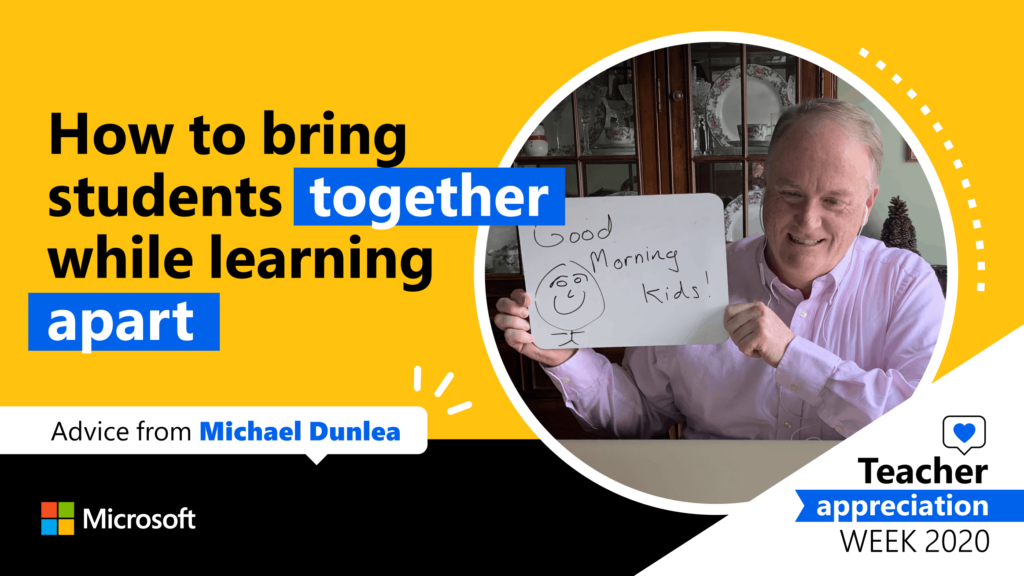
Michael Dunlea’s third-grade classroom in Tabernacle, New Jersey is arranged like a traditional living room with comfortable seating and shared working spaces so students with different learning styles and strengths can collaborate on projects, share books, and foster communication.
Watch Reimagine Education


Get inspired by stories from Microsoft Education customers.

Expand possibilities with educator training and professional learning resources.

Discover a collection of resources to support a variety of educational topics.