Skip to main content Microsoft European Cyber Agora 2024 2023 2022 2021 Microsoft AI Azure Space Mixed reality Microsoft HoloLens Microsoft Viva Quantum computing Sustainability Education Automotive Financial services Government Healthcare Manufacturing Retail Find a partner Become a partner Partner Network Microsoft Marketplace Marketplace Rewards Software development companies Blog Microsoft Advertising Developer Center Documentation Events Licensing Microsoft Learn Microsoft Research View Sitemap

European
Cyber
Agora

22-23 October 202522-23 October 2025

An Inclusive Multistakeholder Initiative for a Digital Europe

As the European Union navigates a rapidly evolving geopolitical landscape, with cybersecurity and the disruptive role of AI taking center stage, the 5th annual European Cyber Agora Conference returned on October 22-23, 2025, at the Microsoft Technology Center in Brussels. Building on past successes, this conference remains a pivotal platform for cross-sectoral dialogue and collaboration, bringing together experts from EU institutions, national governments, cybersecurity agencies, civil society, academia, and industry to address key challenges at the intersection of technology, policy, and geopolitics.

High-level panel discussions

with key policymakers and industry leaders

Interactive workshops

led by cybersecurity experts

Fireside chats

with inspiring speakers

Networking opportunities

to connect with the European cybersecurity community

Agenda

Day 1 - Wed, October 22Day 2 - Thu, October 23
TIME (CEST)DESCRIPTION
09:00 – 09:30

Welcome and Registration

09:30 – 09:45

Opening Remarks

  • Freddy Dezeure, Deputy Chief Information Security Officer (CISO) for Europe, Microsoft
Welcome Remarks
09:45 – 10:00

Keynote Speech

  • Melanie Garson, Associate Professor, International Security in the Department of Political Science, University College London
Keynote
10:00 – 11:00
Opening Panel

Towards a resilient Europe in volatile times

In a dynamically changing geopolitical environment with evolving cyber and defence threats in the age of AI, European resilience is on top of the political agenda. This panel discussion will explore the multifaceted nature of European resilience, by connecting the topics of the three conference workstreams focusing on societal resilience in the age of AI, accountability and deterrence in cyberspace and digital transformation for security and defence. How are strategic challenges for European Security and Defence connected with evolving threats and norms in cyberspace? How are the increasing capacities of AI influencing security and how does it reshape hybrid threat information environments? Zooming out from the workstream topics, the panel will discuss what holistic European resilience should mean in a time where Europe needs to adapt to rapidly evolving threats and insecurities. How can we build on strategies such as the Niinistö report of the European Commission to imagine a resilient future for Europe? Where do we need to strengthen cooperation across organisations and stakeholders? Which siloes do we need to break down and how can we foster a whole-of-society approach to European resilience? The goal of this panel is to set the scene for the conference by providing an aspirational definition of European resilience that can serve as a basis for the other conference events.

  • Freddy Dezeure, Deputy Chief Information Security Officer (CISO) for Europe, Microsoft
  • Marco Criscuolo, Acting Deputy Assistant Secretary General and Director Strategy and Policy, Cyber and Digital Transformation Division, NATO
  • Lindsay Gorman, Managing Director and Senior Fellow, German Marshall Fund of the United States (GMF)
  • Torsten Schack Pedersen, Minister for Resilience and Preparedness, Denmark

Moderator:

  • Andrea Palasciano, European Security Correspondent, Bloomberg News
Opening Panel
11:00 – 11:45

Networking Coffee Break

11:45 – 12:45

Parallel Workshops

Due to limited capacity, attendance to workshops on the day will be managed on a first come, first served basis. Should capacity not be available, you will be able to follow all workshops online.

Workshop 1

Future Directions for the CSA and EU Cyber Certification Framework

As the EU prepares for a revision of the Cybersecurity Act (CSA), this workshop will bring together industry leaders, national regulators, and EU policymakers to assess the future of the EU Cybersecurity Certification Framework. With evolving cyber threats, rapid technological advancements, and new legislative developments like the Cyber Resilience Act (CRA) and NIS2, the certification framework must be adapted to remain effective and future-proof. Discussions will focus on key challenges, including defining the scope of certification, improving efficiency and predictability, clarifying the roles of ENISA and other actors, and ensuring greater stakeholder involvement. Panelists will explore how the revised CSA can enhance trust in digital products and services while balancing regulatory clarity, market needs, and security requirements.

  • Marta Przywała, Lead AI and Cybersecurity Policy, EU Government Affairs, SAP
  • Katarzyna Prusak-Górniak, Cyber Attaché, legal advisor, Head of Digital Affairs Unit, Polish Permanent Representation to the EU and Vice-Chair of the Governing Board of the European Cybersecurity Competence Centre (ECCC)

Moderator:

  • Jeremy Rollison, Senior Director, European Government Affairs, Microsoft
Workshop 2

The Future of Europe’s Security and Defense

This workshop will address the changing role Europe must assume in a dynamic geopolitical context. Building on the strategic direction provided by the Niinistö report and new European efforts that increase defence spending across Member States, what should European Defence resilience look like? What is the role of digital capacities for European Security and Defence? How can key stakeholders like the European Union and NATO increase their coordination and cooperation?

  • Fabrice Comptour, Cyber Defence Coordinator, DG CNCT, European Commission
  • Lea Pavlovic, Public Affairs Manager, Defence, Space, Aviation, Logos
  • Henri van Soest, Senior Analyst, RAND Europe

Moderator:

  • Raluca Csernatoni, Professor, Brussels School of Governance and Research Fellow, Carnegie Europe/ Brussels school of Governance
Workshop 3

Quantum, Cybersecurity and Europe’s strategic autonomy

This workshop will examine Europe's role in the global quantum landscape, balancing the need for international cooperation with ambitions for strategic autonomy. As the EU aims to strengthen its industrial position, this discussion will explore how advancing quantum technologies can enhance Europe's competitiveness and resilience. A key focus will be the cybersecurity implications of quantum computing. While quantum advancements pose new security challenges, they also offer groundbreaking opportunities to strengthen cybersecurity. This panel will address how Europe can prepare for the quantum era, ensuring cyber-readiness and leveraging quantum innovation to maintain technological leadership.

  • Anne Marie Engtoft Meldgaard, Tech Ambassador, Ministry of Foreign Affairs, Denmark
  • Freeke Heijman-te Paske, Vice President, European Quantum Industry Consortium
  • Lindsay Gorman, Managing Director and Senior Fellow, German Marshall Fund of the United States (GMF)
  • Enrique Sánchez Bautista, Head of Brussels Office, EU Quantum Flagship | Quantum Community Network

Moderator:

  • Tomas Jakimavicius, Director, European Government Affairs, Microsoft
Workshop 4

Strengthening global cybersecurity diplomacy

As the mandate of the Open-Ended Working Group (OEWG) on cybersecurity concluded in July, the diplomatic community faces a pivotal moment to agree on and implement its successor. This session offers a critical opportunity to reflect on the OEWG’s achievements, identify its shortcomings, and envision a future mechanism that addresses these gaps effectively. In doing so it will also explore strategies to overcome potential instances and scenarios where certain UN processes may obstruct, rather than foster, progress on vital cybersecurity issues. The discussion will center on advancing a more constructive and actionable cyber agenda, leveraging the UN’s convening power while exploring future mechanisms best suited to driving meaningful progress.

  • Gabrielle Miséré, Deputy Director of International Cybersecurity, Ministry for Europe and Foreign Affairs, France
  • Louise Hurel, Research Fellow, Cyber and Tech, Royal United Services Institute (RUSI)
  • Neno Malisevic, Senior Director, Digital Diplomacy, Microsoft

Moderator:

  • Joyce Hakmeh, Deputy Director, International Security Programme; Commissioning Editor, Journal of Cyber Policy; Senior Research Fellow in Cyber Policy, Chatham House
12:45 – 13:45

Lunch

13:45 – 14:45
Panel Discussion

Digital Diplomacy in times of geopolitical shifts

In a world marked by hybrid threats, escalating trade conflicts, and the push for strategic autonomy, traditional diplomatic frameworks in technology, digital, and cyber diplomacy are under strain. These trends are exacerbated by a dynamically changing and strained transatlantic relationship characterized by tensions and a disruption of long-established collaboration. This session will explore whether current diplomatic efforts are equipped to address the complexities of a rapidly changing digital landscape, where cyberattacks, disinformation, and economic tensions increasingly intersect. The discussion will focus on how diplomacy can adapt to the rise of new digital conflicts and the growing role of technology in global power struggles. Particular attention will be given to Europe’s quest for digital sovereignty, exploring how the region can navigate its strategic autonomy while maintaining international cooperation. The session will examine the challenges and opportunities of balancing technological independence with global engagement, considering whether diplomacy can remain effective amid competition and isolationist tendencies.

  • Nick Ashton-Hart, Senior Director, APCO
  • Anne Marie Engtoft Meldgaard, Tech Ambassador, Ministry of Foreign Affairs, Denmark
  • Paul Timmers, Visiting Professor, KU Leuven

Moderator:

  • Andrea Calderaro, Project Director, EU Institute for Security Studies (EUISS)
Panel Discussion
14:45 – 15:30

Networking Coffee Break

15:30 – 16:00
Fireside Chat

Managing geopolitical risk in volatile times

Europe is navigating an increasingly volatile geopolitical environment characterised by the ongoing war in Ukraine, a strain on the transatlantic relationship and rapid technological change with impact on hybrid conflict and societal cohesion. At the same time, the continent strives towards advancing its economic competitiveness in a context of trade tensions which forces recalibration of its relationship with both the United States and China. How can European companies and institutions pursue their strategic objectives under such dynamically changing base conditions?

Ansgar Baums, Senior Advisor at Sinolytics advises companies about geopolitical risk management with a focus on China. He is the author of “Tech Cold War” and “The time of rhinoceros” which explores how companies manage geopolitical risk. This fireside chat will focus on his experience and insights on how European actors can navigate these challenging times based on his extensive experience across tech companies, public institutions in Germany.

  • Ansgar Baums, Senior Advisor and Author, Sinolytics

Moderator:

  • Raluca Csernatoni, Professor, Brussels School of Governance and Research Fellow, Carnegie Europe/ Brussels school of Governance
Fireside Chat
16:00 – 17:00

Parallel Workshops

Due to limited capacity, attendance to workshops on the day will be managed on a first come, first served basis. Should capacity not be available, you will be able to follow all workshops online.

Workshop 5

Skills for a resilient Europe

The persisting shortage of skilled cybersecurity professionals in Europe is an ongoing issue worth addressing but as the threat ecosystem is becoming more complex, how can we foster a holistically skilled European workforce? How can AI literacy efforts be linked with existing cybersecurity programmes? How can industry and the public sector partner up to foster a resilient European workforce?

  • Andreea Calbeaza, Senior Manager, European Government Affairs, Microsoft
  • Georgi Dimitrov, Head of Unit for Digital Education, DG EAC, European Commission
  • Siddhi Pal, Senior Policy Researcher, Interface

Moderator:

  • Astrid Ziebarth, Deputy Managing Director & Senior Fellow, German Marshall Fund of the United States (GMF) Technology
Workshop 6

Tackling the issue of cyber mercenaries through the Pall Mall Process

This session will explore the growing phenomenon of cyber mercenaries, examining the risks they pose to global cybersecurity, state accountability, and the development of international norms. The discussion will center around the Pall Mall process and how it can be one of the tools for addressing the phenomenon. What practical cooperations are needed to drive the objectives of the recently announced Code of Practice, signed by 21 states.

  • Joana De Deus Pereira, UN Mandate Holder, Working Group on the Use of Mercenaries
  • Fanta Orr, Director, Digital Diplomacy, Microsoft
  • Mahé Dersoir, Policy Officer, International Cyber Policy Unit, French Ministry of Foreign Affairs
  • Elizabeth Venn, UK Diplomat & First Secretary, Foreign, Commonwealth and Development Office (FCDO) & UK Mission to the EU (UKMis)
  • Stéphane Duguin, Chief Executive Officer (CEO), Cyber Peace Institute

Moderator:

  • Pablo Rice, Head of Programme, Cyber and Emerging Technologies Governance, Paris Peace Forum
Workshop 7

Strengthening Europe’s Cyber Defence through EU-NATO Collaboration

This panel discussion will delve into the practical steps necessary to transform strategic frameworks into concrete actions, enhancing Europe's cyber defense capabilities. Building upon insights from prior workshops, the conversation will explore how the European Union and NATO can operationalize their cooperation to effectively deter and respond to cyber threats. Emphasis will be placed on the pivotal role of public-private partnerships, involving the private sector, non-profits, academia, and civil society, in fortifying attribution processes and developing robust deterrence mechanisms. Panelists will share experiences, best practices, and propose actionable strategies to ensure Europe remains resilient and prepared in the face of evolving cyber challenges.

  • Barbara Gallo, Head of Division, Hybrid Threats and Cyber, European External Action Service (EEAS)
  • Ben Hiller, Head of Cyber Strategy and Policy, NATO
  • Max Smeets, Co-Director, Virtual Routes

Moderator:

  • James Sullivan, Director of Cyber and Tech, Royal United Services Institute (RUSI)
Workshop 8

AI for holistic resilience

This workshop will focus on how AI is an opportunity as well as a threat amplifier for key areas of resilience, by exploring how to break down siloes on an operational level between relevant expert communities. How can efforts to address and integrate AI be coordinated across various functions ranging from traditional defence to cybersecurity and societal preparedness? Which institutional, industry and civil society actors need to come together for envisioning a common approach?

  • Anahita Valakche, Senior Strategist, Office of Responsible AI, Microsoft
  • Gosia Loj, Deputy Head for AI, Science, and Technology, United Nations Institute for Disarmament Research (UNIDIR)
  • Francesca Bosco, Chief Strategy Officer, Cyber Peace Institute

Moderator:

  • Luka Ignac, Advanced AI Policy Officer, Centre for Future Generations
17:30 - 19:30

Reception

TIME (CEST)DESCRIPTION
09:00 – 09:30

Welcome and Registration

09:30 – 10:30
Panel Discussion

Harmonising EU Cybersecurity Policy

As the EU advances the implementation of key cybersecurity regulations—including the Cyber Resilience Act (CRA), the Network and Information Security Directive (NIS2), and the upcoming Cybersecurity Act review—ensuring regulatory alignment remains a significant challenge. This panel will examine the complexities of harmonising overlapping policies, addressing gaps in vertical regulations and certification schemes, and fostering a coherent cybersecurity framework. Experts from both the public and private sectors will discuss the practical hurdles of implementation, the need for clarity in compliance obligations, and strategies to streamline the evolving regulatory landscape to enhance resilience and reduce burdens on businesses operating across the EU.

  • Christian D'Cunha, Head of Cyber Coordination, DG CNECT, European Commission
  • Dimitri van Zantvliet, Cybersecurity Director / Chief Information Security Officer, Dutch Railways
  • Johannes Nitschke, Senior Director, EU Government Affairs, Siemens
  • Kia Slæbæk Jensen, Cyber attaché/Chair of the Horizontal Working Party on Cyber Issues, The Danish Permanent Representation to the EU for the Ministry of Resilience and Preparedness

Moderator:

  • Jeremy Rollison, Senior Director, European Government Affairs, Microsoft
Panel Discussion
10:30 – 11:00

Networking Coffee Break

11:00 – 12:00

Parallel workshops

Due to limited capacity, attendance to workshops on the day will be managed on a first come, first served basis. Should capacity not be available, you will be able to follow all workshops online.

Workshop 9

Cross-sectoral best-practices to address hybrid threats

This workshop will bring together experts for resilience and adaptability from other sectors such as healthcare, disaster prevention or environmental specialists who can provide transferable lessons on how to build resilient societal approaches to rapid changes and threats in a volatile world. Collective experiences such as the Covid-19 pandemic can provide lessons on rapid-response and whole-of-society mobilization that can be applied to the cyber, defence and AI discussion space. The goal of this session is for experts from different professions to provide best-practice examples that Panelists can build on to imagine what European digital resilience should look like. At the same time, identifying gaps and failures may allow to draw lessons on pitfalls to avoid.

  • Laila Reenberg, Director General, Danish Resilience Agency
  • Petya Barzilska, Head of Policy, European Initiative for Energy Security

Moderator:

  • Maria Laura Frigotto, Full Professor of Organisation Studies, University of Trento
Workshop 10

Multi-Stakeholder Insights on the CRA Implementation

As the Cyber Resilience Act (CRA) sets a new gold standard for cybersecurity across the EU, this panel brings together representatives from the European Commission, national authorities, industry, and the cybersecurity community to examine its practical implementation. With compliance deadlines approaching, the discussion will explore how companies are adapting development and compliance processes, how national authorities are preparing for their role in market surveillance and enforcement, and how the European Commission is coordinating with stakeholders to ensure a harmonized approach. Panelists will reflect on shared challenges such as supporting SMEs, interpreting new obligations, and scaling capacity, while highlighting opportunities to enhance security by design, and strengthen trust in the Digital Single Market.

  • Benjamin Ledwon, Head of EU Representation, Amadeus
  • Anna Schwendicke, Head of Market Surveillance, German Federal Office for Information Security (BSI)
  • Felix Reda, Senior Director, Developer Policy, GitHub

Moderator:

  • Robert Spiger, Director, Cybersecurity Policy, Microsoft
Workshop 11

Defending Europe's Subsea Cable Infrastructure

Subsea cables are critical to Europe's digital and economic infrastructure, yet recent incidents, including the February 2025 cable damage in the Baltic Sea, have exposed their vulnerabilities to potential sabotage. In response, the EU has launched an action plan to bolster the security and resilience of both communication and power subsea cables, including advanced surveillance technologies and a rapid-response fleet for repairs. This panel will assess vulnerabilities in subsea cable infrastructure, explore mitigation strategies and evaluate the effectiveness of the EU's action plan, fostering a discussion on enhanced multistakeholder collaboration to safeguard these vital lifelines.

  • Henri van Soest, Senior Analyst, RAND Europe
  • Agustin Díaz-Pinés, Deputy Head of Unit, Future Connectivity Systems, DG CNECT, European Commission
  • Mark Dempsey, Senior EU Advocacy Officer, Article 19
  • Gunnar Halley, Assistant General Counsel, Microsoft

Moderator:

  • Julia Trehu, Program Manager & Fellow, German Marshall Fund of the United States (GMF) Technology
Workshop 12

A citizen’s guide to resilience

With an ongoing war in Europe and in the context of an increasingly volatile geopolitical environment, many European governments including Sweden, Poland and France have distributed manuals to citizens on how to react in the case of war and threats to national security. This signals that whole-of-society resilience also necessitates ordinary citizens to play an active part in addressing hybrid threats. The goal of this workshop is to think about how citizens can be made more aware cyber- and information threats in particular and how they can form a civilian defence line? What are findings and suggestions on fostering digital literacy around recognising information operations, for example deepfakes or misinformation?

  • Alena Kudzko, Executive Director, GLOBSEC GeoTech Centre
  • Alexis Prokopiev, Director, Governance & Democratic Innovation, Make.org; Vice-President, Association Civic Tech Europe (ACTE)
  • Andrea Liebman, Senior Analyst, Swedish Psychological Defence Agency

Moderator:

  • Antonio Calcara, Head of the Geopolitics and Technology Programme at the Centre for Security, Diplomacy and Strategy (CSDS) and Professor at VUB
12:00 – 13:00

Lunch

13:00 – 14:00
Panel

Intersection of cybersecurity and AI

The intersection of cybersecurity policy and artificial intelligence (AI) is becoming ever more critical in Europe. As AI continues to transform industries, it is crucial to address the emerging cybersecurity challenges and opportunities. This session will explore Europe’s AI and cyber policy priorities, including advancing AI security, mitigating risks, and promoting responsible innovation. We will discuss the implications for European regulatory frameworks, the role of public-private partnerships, and strategies to enhance cyber resilience. Engage with thought leaders to understand how AI can bolster cybersecurity efforts and shape a secure digital future for Europe.

  • Alberto Di Felice, Policy and Legal Counsel, DIGITALEUROPE
  • Tatjana Evas, Legal and Policy Officer at DG CNCT, AI Office, Vice-Chair of the OECD Working Party on Artificial Intelligence
  • Sigurður (Siggi) Stefnisson, CTO for Cyber Safety, GenDigital Inc.

Moderator:

  • Laurens Cerulus, Cybersecurity Editor & Deputy Technology Editor, Politico Europe
Panel
Invitation only

GFCE Europe Regional Meeting

14:00 – 14:30
Fireside Chat

Tech and Security Diplomacy in a world of hybrid threats

This fireside chat will bring together two senior European leaders at the intersection of emerging technology, cyber and security policy, and diplomacy.

In an era of hybrid and interconnected conflicts, technology, including drones and cyber operations, is redefining how and where power is projected, while expanding society’s attack surface. The discussion will explore how European nations are responding to these challenges, combining cyber defense, operational readiness, and diplomatic engagement. Building on recent drone incidents across Europe and ongoing cyber and hybrid operations targeting European states, the conversation will examine how Europe can strengthen its resilience in the face of cross-border technological threats. Through a candid and forward-looking exchange, the speakers will address the implications of technological innovation and cyber capabilities for Europe’s defense transformation, diplomatic posture, and pursuit of security.

  • Michel van Strythem, General for Drones and Innovation, Belgian Armed Forces
  • Ann Sander Nielsen, Chair Cyber & Digital Diplomacy (HWPCI and WP Telecom), Danish EU Council Presidency

Moderator:

  • Steven Everts, Director, EU Institute for Security Studies (EUISS)
Fireside Chat
14:30 – 15:00

Networking Coffee Break

15:00 – 15:45

Agora Townhall

This format will bring together Panelists and speakers alike to exchange reflections and impressions from throughout the conference. Connecting the dots between the different workstreams and the overall theme of resilience will be the basis for drawing conclusions from the conference on how to foster a holistically resilient European future.

    Moderator:

    • Ian Lesser, Distinguished Fellow and Advisor to the President, German Marshall Fund of the United States (GMF)
    Agora Townhall
    15:45 – 16:00

    Closing Keynote Remarks

    • Steven Everts, Director, European Institute of Security Studies (EUISS)
    Closing Remarks
    16:00 - 18:00

    Reception & Networking

    Featured speakers

    • Nick Ashton-Hart

      Nick Ashton-Hart

      Senior Director, APCO

      Biography
    • Petya Barzilska

      Petya Barzilska

      Head of Policy, European Initiative for Energy Security

      Biography
    • Ansgar Baums

      Ansgar Baums

      Senior Advisor and Author, Sinolytics

      Biography
    • Francesca Bosco

      Francesca Bosco

      Chief Strategy Officer, Cyber Peace Institute

      Biography
    • Andreea Calbeaza

      Andreea Calbeaza

      Senior Manager, European Government Affairs, Microsoft

      Biography
    • Antonio Calcara

      Antonio Calcara

      Head of the Geopolitics and Technology Programme at the Centre for Security, Diplomacy and Strategy (CSDS) and Professor at VUB

      Biography

    • Andrea Calderaro

      Andrea Calderaro

      Project Director, EU Institute for Security Studies (EUISS)

      Biography
    • Laurens Cerulus

      Laurens Cerulus

      Cybersecurity Editor & Deputy Technology Editor, Politico Europe

      Biography
    • Fabrice Comptour

      Fabrice Comptour

      Cyber Defence Coordinator, DG CNCT, European Commission
    • Marco Criscuolo

      Marco Criscuolo

      Acting Deputy Assistant Secretary General and Director Strategy and Policy, Cyber and Digital Transformation Division, NATO

      Biography
    • Raluca Csernatoni

      Raluca Csernatoni

      Professor, Brussels School of Governance and Research Fellow, Carnegie Europe/ Brussels school of Governance

      Biography
    • Christian D'Cunha

      Christian D'Cunha

      Head of Cyber Coordination, DG CNECT, European Commission

      Biography
    • Joana De Deus Pereira

      Joana De Deus Pereira

      UN Mandate Holder, Working Group on the Use of Mercenaries

      Biography
    • Mark Dempsey

      Mark Dempsey

      Senior EU Advocacy Officer, Article 19

      Biography
    • Mahé Dersoir

      Mahé Dersoir

      Policy Officer, International Cyber Policy Unit, French Ministry of Foreign Affairs

      Biography

    • Freddy Dezeure

      Freddy Dezeure

      Deputy Chief Information Security Officer (CISO) for Europe, Microsoft

      Biography
    • Agustin Díaz-Pinés

      Agustin Díaz-Pinés

      Deputy Head of Unit, Future Connectivity Systems, DG CNECT, European Commission

      Biography
    • Georgi Dimitrov

      Georgi Dimitrov

      Head of Unit for Digital Education, DG EAC, European Commission

      Biography
    • Stéphane Duguin

      Stéphane Duguin

      Chief Executive Officer (CEO), Cyber Peace Institute

      Biography
    • Anne Marie Engtoft Meldgaard

      Anne Marie Engtoft Meldgaard

      Tech Ambassador, Ministry of Foreign Affairs, Denmark

      Biography
    • Tatjana Evas

      Tatjana Evas

      Legal and Policy Officer at DG CNCT, AI Office, Vice-Chair of the OECD Working Party on Artificial Intelligence

      Biography
    • Steven Everts

      Steven Everts

      Director, EU Institute for Security Studies (EUISS)

      Biography
    • Alberto Di Felice

      Alberto Di Felice

      Policy and Legal Counsel, DIGITALEUROPE

      Biography
    • Barbara Gallo

      Barbara Gallo

      Head of Division, Hybrid Threats and Cyber, European External Action Service (EEAS)

      Biography
    • Melanie Garson

      Melanie Garson

      Associate Professor, International Security in the Department of Political Science, University College London

      Biography

    • Lindsay Gorman

      Lindsay Gorman

      Managing Director and Senior Fellow, German Marshall Fund of the United States (GMF)

      Biography
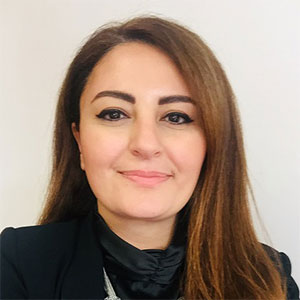
    • Joyce Hakmeh

      Joyce Hakmeh

      Deputy Director, International Security Programme; Commissioning Editor, Journal of Cyber Policy; Senior Research Fellow in Cyber Policy, Chatham House

      Biography
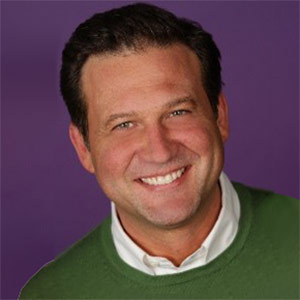
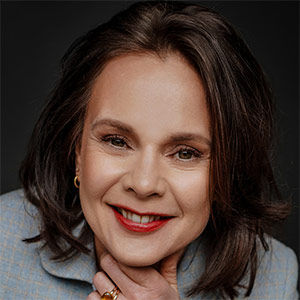
    • Gunnar Halley

      Gunnar Halley

      Assistant General Counsel, Microsoft

      Biography
    • Freeke Heijman-te Paske

      Freeke Heijman-te Paske

      Vice President, European Quantum Industry Consortium

      Biography
    • Ben Hiller

      Ben Hiller

      Head of Cyber Strategy and Policy, NATO

      Biography
    • Louise Hurel

      Louise Hurel

      Research Fellow, Cyber and Tech, Royal United Services Institute (RUSI)

      Biography
    • Luka Ignac

      Luka Ignac

      Advanced AI Policy Officer, Centre for Future Generations

      Biography
    • Tomas Jakimavicius

      Tomas Jakimavicius

      Director, European Government Affairs, Microsoft

      Biography
    • Alena Kudzko

      Alena Kudzko

      Executive Director, GLOBSEC GeoTech Centre

      Biography
    • Maria Laura Frigotto

      Maria Laura Frigotto

      Full Professor of Organisation Studies, University of Trento

      Biography
    • Benjamin Ledwon

      Benjamin Ledwon

      Head of EU Representation, Amadeus

      Biography
    • Ian Lesser

      Ian Lesser

      Distinguished Fellow and Advisor to the President, German Marshall Fund of the United States (GMF)

      Biography
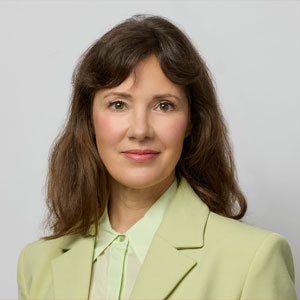

    • Andrea Liebman

      Andrea Liebman

      Senior Analyst, Swedish Psychological Defence Agency

      Biography
    • Gosia Loj

      Gosia Loj

      Deputy Head for AI, Science, and Technology, United Nations Institute for Disarmament Research (UNIDIR)

      Biography


    • Neno Malisevic

      Neno Malisevic

      Senior Director, Digital Diplomacy, Microsoft

      Biography
    • Gabrielle Miséré

      Gabrielle Miséré

      Deputy Director of International Cybersecurity, Ministry for Europe and Foreign Affairs, France

      Biography
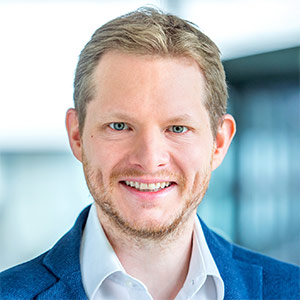
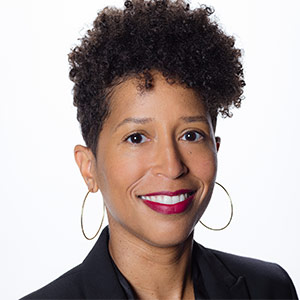
    • Johannes Nitschke

      Johannes Nitschke

      Senior Director, EU Government Affairs, Siemens

      Biography
    • Fanta Orr

      Fanta Orr

      Director, Digital Diplomacy, Microsoft

      Biography
    • Siddhi Pal

      Siddhi Pal

      Senior Policy Researcher, Interface

      Biography
    • Andrea Palasciano

      Andrea Palasciano

      European Security Correspondent, Bloomberg News

    • Lea Pavlovic

      Lea Pavlovic

      Public Affairs Manager, Defence, Space, Aviation, Logos

      Biography
    • Alexis Prokopiev

      Alexis Prokopiev

      Director, Governance & Democratic Innovation, Make.org; Vice-President, Association Civic Tech Europe (ACTE)

      Biography
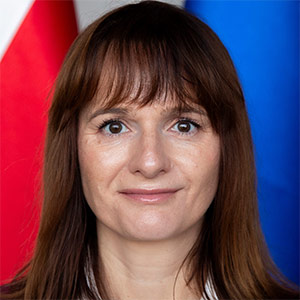
    • Katarzyna Prusak-Górniak

      Katarzyna Prusak-Górniak

      Cyber Attaché, legal advisor, Head of Digital Affairs Unit, Polish Permanent Representation to the EU and Vice-Chair of the Governing Board of the European Cybersecurity Competence Centre (ECCC)

      Biography


    • Marta Przywała

      Marta Przywała

      Lead AI and Cybersecurity Policy, EU Government Affairs, SAP

      Biography
    • Felix Reda

      Felix Reda

      Senior Director, Developer Policy, GitHub

      Biography
    • Laila Reenberg

      Laila Reenberg

      Director General, Danish Resilience Agency

      Biography
    • Pablo Rice

      Pablo Rice

      Head of Programme, Cyber and Emerging Technologies Governance, Paris Peace Forum

      Biography
    • Jeremy Rollison

      Jeremy Rollison

      Senior Director, European Government Affairs, Microsoft

      Biography
    • Enrique Sánchez Bautista

      Enrique Sánchez Bautista

      Head of Brussels Office, EU Quantum Flagship | Quantum Community Network

      Biography

    • Ann Sander Nielsen

      Ann Sander Nielsen

      Chair Cyber & Digital Diplomacy (HWPCI and WP Telecom), Danish EU Council Presidency

      Biography
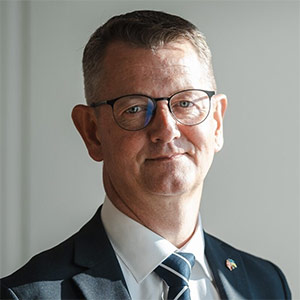

    • Torsten Schack Pedersen

      Torsten Schack Pedersen

      Minister for Resilience and Preparedness, Denmark

      Biography
    • Anna Schwendicke

      Anna Schwendicke

      Head of Market Surveillance, German Federal Office for Information Security (BSI)

      Biography
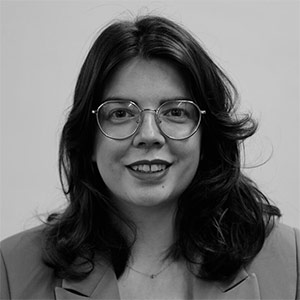
    • Kia Slæbæk Jensen

      Kia Slæbæk Jensen

      Cyber attaché/Chair of the Horizontal Working Party on Cyber Issues, The Danish Permanent Representation to the EU for the Ministry of Resilience and Preparedness

      Biography

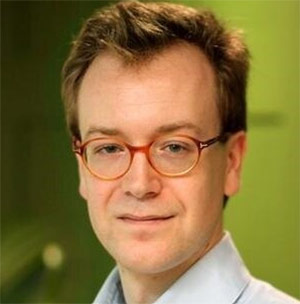
    • Max Smeets

      Max Smeets

      Co-Director, Virtual Routes

      Biography
    • Henri van Soest

      Henri van Soest

      Senior Analyst, RAND Europe

      Biography
    • Robert Spiger

      Robert Spiger

      Director, Cybersecurity Policy, Microsoft

      Biography
    • Sigurður (Siggi) Stefnisson

      Sigurður (Siggi) Stefnisson

      CTO for Cyber Safety, GenDigital Inc.

      Biography
    • Michel van Strythem

      Michel van Strythem

      General for Drones and Innovation, Belgian Armed Forces

    • James Sullivan

      James Sullivan

      Director of Cyber and Tech, Royal United Services Institute (RUSI)

      Biography
    • Paul Timmers

      Paul Timmers

      Visiting Professor, KU Leuven

      Biography
    • Julia Trehu

      Julia Trehu

      Program Manager & Fellow, German Marshall Fund of the United States (GMF) Technology

      Biography
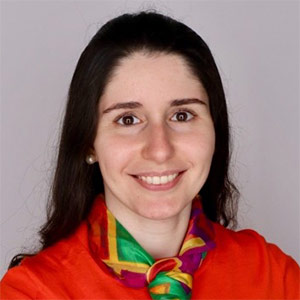
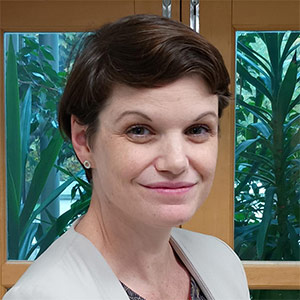
    • Anahita Valakche

      Anahita Valakche

      Senior Strategist, Office of Responsible AI, Microsoft

      Biography
    • Elizabeth Venn

      Elizabeth Venn

      UK Diplomat & First Secretary, Foreign, Commonwealth and Development Office (FCDO) & UK Mission to the EU (UKMis)

      Biography
    • Dimitri van Zantvliet

      Dimitri van Zantvliet

      Cybersecurity Director / Chief Information Security Officer, Dutch Railways

      Biography

    • Astrid Ziebarth

      Astrid Ziebarth

      Deputy Managing Director & Senior Fellow, German Marshall Fund of the United States (GMF) Technology

      Biography

    Alena Kudzko

    Executive Director, GLOBSEC GeoTech Centre

    Alena Kudzko is Executive Director of the GLOBSEC US Foundation, which also houses the organization’s flagship GeoTech Center. Her work focuses on the intersection of technology, security, and geopolitics – with a particular emphasis on national resilience and competitiveness. She leads cross-national initiatives that address how governments and companies can collaborate to secure essential technologies and reduce vulnerabilities in an era of global contestation. Over the past decade at GLOBSEC, Alena has shaped the organization’s work on security, defense innovation, and geostrategic competition. She has led high-level dialogues with policymakers, industry leaders, and experts across Europe and the United States, helping to reframe debates on national security, competitiveness, and global partnerships.

    Alexis Prokopiev

    Director, Governance & Democratic Innovation, Make.org; Vice-President, Association Civic Tech Europe (ACTE)

    Alexis Prokopiev is the Director of the Department of Governance and Democratic Innovation at Make.org, an independent European civic tech organization, a role he has held since 2019. He also serves as Vice-President of Civic Tech Europe (ACTE), where he contributes to shaping the future of civic participation across the continent.

    Based between Paris and Brussels, Alexis leads Make.org’s efforts to foster participatory democracy and innovative governance solutions. His career spans academia, public institutions, and civil society: he has taught Public Economics at Sciences Po Paris, worked for the French National Assembly, and collaborated with several NGOs.

    Anahita Valakche

    Senior Strategist, Office of Responsible AI, Microsoft

    Anahita is part of Microsoft’s Responsible AI Public Policy and European Government Affairs teams, which seek to advance effective and interoperable public policy that helps Microsoft, our customers, and the world secure the benefits while ensuring trustworthy development and deployment of AI. Anahita specializes in EU policy on AI and data protection, with a focus on Microsoft's AI Act compliance and participation in the General-Purpose AI Code of Practice. Before joining the Office of Responsible AI, Anahita worked on data protection and human rights due diligence as part of Microsoft's European Government Affairs team. Prior to joining Microsoft, Anahita focused on cybersecurity and privacy law and policy issues at Dell Technologies. Anahita has a BA in Government and Art from Colby College, and an MA in International Relations and Global Conflict Studies from Leiden University.

    Andreea Calbeaza

    Senior Manager, European Government Affairs, Microsoft

    Andreea Calbeaza is Senior Manager, Government Affairs, part of Microsoft’s Corporate, External and Legal Affairs (CELA) department and working at the intersection of digital and green transformation of Microsoft customers. With over a decade of experience across public policy, civil society, and business, Andreea has previously held roles at the Open Society Foundations, the Romanian Ministry for Social Affairs, and the Secretariat of the Council of the European Union. She holds an MA in Public Policy from the Université Libre de Bruxelles and an MBA in Digital & Sustainability Transformation from the Berlin School of Economics and Law.

    Andrea Calderaro

    Project Director, EU Institute for Security Studies (EUISS)

    Dr Andrea Calderaro is the Director of Cyber Diplomacy at the EU Institute for Security Studies (EUISS), leading the EU Cyber Direct programme. His work focuses on technology and foreign policy, particularly cybersecurity, cyber diplomacy, and the transnational governance of emerging technologies. His publications include the book "Internet Diplomacy: Shaping the Global Politics of Cyberspace" (ed., 2022) and articles in Third World Quarterly, IJEP, Policy & Internet, and European Security.

    He has contributed to bilateral and multilateral cyber dialogues including the UN OEWG, IGF, and WSIS, and has supported cyber capacity-building initiatives across Africa, Asia, the Middle East, and LAC. He has served on advisory boards for UNESCO, the European Commission, the UK FCDO, the Global Forum on Cyber Expertise (GFCE), and the OECD. Currently on leave from Cardiff University where he is Reader/Associate Professor in International Relations, he has held positions at Caltech, FGV Rio de Janeiro, LUISS, and the European University Institute, from which he holds a PhD and MRes in Social and Political Sciences.

    Nick Ashton-Hart

    Senior Director, APCO

    Nick Ashton-Hart is the representative of Cybersecurity Tech Accord to the UN and APCO’s Senior Director for Digital Economy Policy based in New York. He is active in the General Assembly’s global cybersecurity discussions and was a lead negotiator for the private sector in the UN Cybercrime Convention negotiations. Over his 25-year public policy career he has been active in high-stakes multilateral negotiations across multiple digital economy domains from representing 38 European member-states at the ITU, various states in WTO ecommerce talks and the tech sector’s de-facto Geneva representative for 15 years. Prior to his career in public policy he was a manager of popular musicians including the Godfather of Soul, James Brown and multi-platinum electronic pop pioneers Heaven 17.

    Alberto Di Felice

    Policy and Legal Counsel, DIGITALEUROPE

    Alberto Di Felice is Policy and Legal Counsel at DIGITALEUROPE, the leading trade association representing digitally transforming industries in Europe. With comprehensive expertise in digital regulation, he oversees the development of the association’s policy content and thought leadership. He also ensures compliance as DIGITALEUROPE’s data protection and antitrust officer. Alberto previously led DIGITALEUROPE’s work in cybersecurity, AI, privacy, data, consumer policy and telecoms regulation. He also spent seven years at Qualcomm, addressing key issues in EU technology policy. A Certified Information Privacy Professional (CIPP/E), Alberto holds advanced degrees in law, European studies and diplomacy.

    Andrea Liebman

    Senior Analyst, Swedish Psychological Defence Agency

    Andrea Liebman is a Senior Analyst at the Swedish Psychological Defence Agency (MPF), where she focuses on the implications of social media, artificial intelligence, and the evolving digital landscape. She advises on threats and vulnerabilities linked to foreign information manipulation and interference (FIMI) and contributes to the agency’s strategic analysis for government and other relevant actors.

    She also serves as an official spokesperson for MPF, representing the agency nationally and internationally across a broad range of issues in psychological defence. In this capacity, she is regularly invited to high-level forums to share Swedish perspectives on digital resilience, strategic communication, and the safeguarding of democratic societies.

    Her background spans more than a decade of international work with the United Nations, International IDEA, and other multilateral organizations, with a focus on strategic communication, crisis management, and security policy. She has also led the communications department at the Swedish Institute of International Affairs.

    Andrea holds Master’s degrees in Journalism and International Relations.

    Anne Marie Engtoft Meldgaard

    Tech Ambassador, Ministry of Foreign Affairs, Denmark

    Anne Marie Engtoft Meldgaard is Denmark’s Tech Ambassador. She spearheads Techplomacy – a pioneering initiative elevating technology and digitalization to a crosscutting foreign and security policy priority of the Danish government. Anne Marie and her team have a global mandate and a physical presence in Silicon Valley and Copenhagen, transcending borders and regions in rethinking the traditional understanding of a diplomatic representation.

    Prior to her appointment, Anne Marie worked at World Economic Forum in Geneva (2017-2020) where she led the World Economic Forum's work on the Fourth Industrial Revolution and Global Public Goods. Her focus was on mobilizing technology companies, governments and civil society to collaboratively tackle the barriers that prevent emerging technology from scaling responsibly to help solve society’s biggest challenges.

    Before joining the World Economic Forum, Anne Marie co-founded an innovation house for student entrepreneurship; co-founded Democratic Capital; worked as political advisor in the Danish Parliament; and served on the Board of Directors of Copenhagen Business School and The Danish Consumer Council.

    Anne Marie Engtoft Meldgaard holds a M.Sc. in International Development from The London School of Economics and Political Science (LSE), a B.Sc. and M.Sc. in International Business & Politics from Copenhagen Business School and is a 2017 Global Leadership Fellow with the World Economic Forum.

    Antonio Calcara

    Head of the Geopolitics and Technology Programme at the Centre for Security, Diplomacy and Strategy (CSDS) and Professor at VUB

    Prof. Antonio Calcara is Professor at the Vrije Universiteit Brussels (VUB) and the Head of the Geopolitics and Technology Programme and Research Professor at CSDS, where he leads the European Research Council project Competition in the Digital Era (CODE): Geopolitics and Technology in the 21st Century. His research has appeared in International Security, Security Studies, Review of International Political Economy, Governance, Journal of European Integration and European Security. He is the author of “European Defence Decision-Making: Dilemmas of Collaborative Arms Procurement” (Routledge).

    Astrid Ziebarth

    Deputy Managing Director & Senior Fellow, German Marshall Fund of the United States (GMF) Technology

    Astrid Ziebarth is deputy managing director & senior fellow, GMF Technology in the Berlin Office of the German Marshall Fund of the United States. She focuses on the question of how digitalization and emerging technologies impact society, with a special focus on migration and migration policy as well as on the future of work.

    She does so by leading and coordinating international and interdisciplinary network projects using user-centric design, and by doing analysis and research. Astrid has a Master in North American studies, sociology, and anthropology.

    Barbara Gallo

    Head of Division, Hybrid Threats and Cyber, European External Action Service (EEAS)

    Barbara Gallo is the Head of the Hybrid Threats and Cyber Division at the European External Action Service (EEAS). She has been working on EU policies and initiatives in the field of security and defence, including cybersecurity and hybrid threats, for over 12 years. She served as Member of Cabinet responsible for security and defence in the Cabinet of former High Representative/Vice President Josep Borrell and previously as Political Assistant to the EEAS Deputy Secretary General for Common Security and Defence Policy (CSDP) and Crisis Response. Prior to joining the EU institutions, Barbara has been working on international, development and humanitarian issues, including at the United Nations, Red Cross and NGOs, both at headquarters and in the field.

    Ben Hiller

    Head of Cyber Strategy and Policy, NATO

    At NATO HQ, Ben heads work on Alliance Cyber Strategy and Policy. In his role he chairs NATO’s Cyber Defence Committee and coordinates Alliance responses to malicious cyber campaigns at the political level. Before joining NATO, Ben was responsible for cyber policy at the Organization for Security and Co-operation in Europe (OSCE). In his role he guided efforts in developing and operationalizing confidence building measures (CBMs) to reduce the risks of conflicts stemming from the use of cyber capabilities between States.

    Christian D'Cunha

    Head of Cyber Coordination, DG CNECT, European Commission

    Christian is Head of the Cyber Coordination Unit in the Directorate-General for Communications, Content and Technology in the European Commission. He is responsible for supporting the coordination of situational awareness and response to cyber crises among relevant Commission services and EU institutions bodies and agencies, as well as cooperation with Member States. Previously he oversaw a study into the future of digital advertising and its impact on privacy, drafted the Data Act proposal, the EU cybersecurity strategy and the roll out of interoperable contact tracing apps during the COVID pandemic. He was head of the Private Office of the European Data Protection Supervisor from 2015-2020 advising on privacy-related legal and policy developments in the EU, including online manipulation, digital monopolies, digital ethics and scientific research. He moved to Brussels in 2008, after several years of advising the Lord Chief Justice of England and Wales on senior judicial appointments, discipline and complaints handling, succession planning and constitutional reform matters. He also served for several years as private secretary to the Chairman of the UK Labour Party.

    Lea Pavlovic

    Public Affairs Manager, Defence, Space, Aviation, Logos

    Lea Pavlovic is Manager at Logos Public Affairs in the Defence, Space and Aviation team, where she leads the team’s defence policy activities and manages the European Defence and Security Conference. She was previously Strategy Manager for Space & Defence at Access Partnership, focusing on regulatory compliance and market access within the Space & Spectrum Policy Practice. Lea also served as Vice Chair of the Space, Security and Defence Committee at AmCham EU and founded and led the Space Practice at APCO Worldwide.

    Dimitri van Zantvliet

    Cybersecurity Director / Chief Information Security Officer, Dutch Railways

    Dimitri van Zantvliet is the Cybersecurity Director / Chief Information Security Officer (CISO) at Dutch Railways (NS). He serves as member of the advisory board of the Dutch NCSC, the Dutch CISO Circle of Trust, is co-founder of the Dutch CISO Foundation and CISO Community, is co-chair of both the Dutch and European Rail ISAC and the Rail CISO Forum. In addition to being an international speaker and columnist, Dimitri is a cyber lecturer, editorial board member of the Global Railway Review journal and advisory board member of Cybersenate. As an Ambassador to the Global Council of Responsible AI and an angel investor in several startups, he actively contributes to the advancement of technology, cybersecurity- and AI governance.

    With three decades of experience as a CIO, CTO, and CISO, Dimitri has worked across multinational corporations, local governments, the Dutch Olympic Committee, and now Dutch Railways. A lifelong engineer, he holds an international master’s degree in business administration and a range of esteemed cybersecurity certifications, including CISSP, CRISC, CISA, CISM, CDPSE, CIPP/E, CIPM, and FIP.

    Dimitri combines technical expertise with strategic vision, making him a prominent voice in the cybersecurity and AI governance critical infrastructure landscape.

    He has been quoted and featured in major publications and outlets, including Computable, Global Railway Review, Enterprise Security, ICT Media, CISO Series, Enisa, CIO.inc, Helpnet Security, CIO TV, IB Magazine and Cybercrime Info.

    Freddy Dezeure

    Deputy Chief Information Security Officer (CISO) for Europe, Microsoft

    Freddy Dezeure, Deputy CISO – Europe since August 2025. Contributes to Microsoft’s cybersecurity and resilience strategy, ensuring implementation across the products and services relevant to the European Market. Coordinates activities to implement security by default. Independent Advisor (2017-2025), Official at the European Commission (1987-2017), CIO of a private company (1982-1987). Founder of CERT-EU, EU MITRE ATT&CK User Community and CISO Metrics Working Group. Startup advisor and Board trainer.

    Melanie Garson

    Associate Professor, International Security in the Department of Political Science, University College London

    "Melanie is an Associate Professor in International Security in the Department of Political Science at University College London where she teaches her flagship course “From Cyberwarfare to Robots: The Future of Conflict in the Digital Age” that examines the nexus of disruptive tech and building defence and resilience. She also teaches courses on international negotiation and tech diplomacy, as well as problem-solving for policymaking at HM Treasury.

    She provides practical insights and thought leadership for policymakers across the full spectrum of cyber policy, tech geopolitics, and defence innovation challenges. Having spent four years at the Tony Blair Institute for Global Change, where she set up the cyber policy function, she has advised leaders globally on cyber resilience policy, the geopolitics of the internet, space, AI, and compute, the rise of tech companies as geopolitical actors, data governance as well as the future of defence."

    Gabrielle Miséré

    Deputy Director of International Cybersecurity, Ministry for Europe and Foreign Affairs, France

    Mrs. Gabrielle Miséré is Deputy head of the international cybersecurity policy unit at the French Ministry for Europe and Foreign Affairs. She was previously political counselor at the French Embassy in Beijing from 2020 to 2023. Gabrielle has joined the French Ministry of Foreign Affairs in 2016, she served at the Asia Directorate from 2016 to 2018 and at the Directorate for Strategic, Security and Disarmament Affairs from 2018 to 2020. Gabrielle is a graduate from the Institut d'études politiques d'Aix-en-Provence and the National Institute of Oriental Languages and Civilizations (INALCO).

    Georgi Dimitrov

    Head of Unit for Digital Education, DG EAC, European Commission

    Georgi Dimitrov is responsible for the Digital Education unit in the European Commission, Directorate General for Education and Culture. He joined the European Commission in 2008 and was first involved in various roles in setting up the European Institute of Innovation and Technology (EIT). He then helped to develop and launch HEInnovate, an initiative by the European Commission and the OECD aimed at supporting universities to become more entrepreneurial. He led the development of the first Digital Education Action Plan adopted in January 2018 and also of the new Digital Education Action Plan 2021-2027 that was adopted in September 2020. Before joining the Commission, Georgi worked for a leading multinational telecommunication company and in a software start-up in Germany. Georgi studied at the University of Bonn (M.A.), the University of Erlangen-Nürnberg (PhD) and the Open University UK (MBA in Technology Management).

    Paul Timmers

    Visiting Professor, KU Leuven

    Paul Timmers is professor at KU Leuven, focusing on geopolitics and technology. He authored studies on digital industrial policy, cybersecurity strategic autonomy, resilience/ security of telecoms and digital supply chains, AI governance. He is co-author of the recent EuroStack report on digital sovereignty for Europe. He is member of the advisory council of the Netherlands’ National Digitalisation Strategy.

    Paul Timmers was Director at the European Commission responsible for legislation and funding for cybersecurity, e-ID, digital privacy, digital health, smart cities, and e-government. He was cabinet member of European Commissioner Liikanen. He is former research associate at the University of Oxford and Chair of the Supervisory Board of the Estonian eGovernance Academy.

    Marco Criscuolo

    Acting Deputy Assistant Secretary General and Director Strategy and Policy, Cyber and Digital Transformation Division, NATO

    Marco Criscuolo is NATO’s Acting Deputy Assistant Secretary General and Director Strategy and Policy with the Cyber and Digital Transformation Division. He leads strategy and policy efforts to advance the Alliance’s agenda on cyber defence, digital transformation, and hybrid resilience, as well as developing and coordinating the Alliance’s efforts on countering cyber threats.

    From 2021 to 2025, he held the position of Deputy Director NATO Digital Staff, launching the Alliance's digital transformation initiative, through the development of policy, strategies and standards for digital technologies, as well as a reform improving digital governance and management.

    From 2012 to 2021, he covered various roles in the NATO Office of Security, Joint Intelligence and Security Division, primarily as Head of the Security and Policy Oversight Branch but also as Director NATO Office of Security ad interim. His responsibilities spanned across the domains of Personnel, Physical, Protective, Information, Industrial, and Cyber Security.

    In 2006, he joined NATO as civilian of the International Military Staff and served until 2011 in NHQC3S as Information Assurance and Cyber Defence Principal Policy and Technical Advisor.

    From 1991 to 2005 he worked as Officer of the Italian Air Force, fulfilling various roles primarily about digitalization and information management in the Air Force Staff, the Ministry of Defence and NATO.

    Marco Criscuolo holds a Master of Science Degree in Technology Management and a second level Master in Geopolitics, Economic Globalization and International Institutions.

    Gosia Loj

    Deputy Head for AI, Science, and Technology, United Nations Institute for Disarmament Research (UNIDIR)

    Gosia Loj is the Deputy Head of the Security and Technology Programme, where she leads the Artificial Intelligence and Science and Technology teams.

    Prior to this, she served in the UK government since 2018 at the Department for Science, Innovation and Technology, where she held several leadership roles including Head of the AI Safety Summit, Head of UK Cyber Strategy and International, and Head of Global Governance, spearheading UK’s efforts in setting global norms and frameworks on AI, data governance and emerging technologies in multilateral fora. She also set up and led the UK’s G7 Presidency, Digital and Technology Track during in 2021 and was appointed Vice-Chair for the Committee on Digital Economy Policy at OECD from 2021-23.

    Before joining the British civil service, Gosia held various roles across the UN system in Geneva, as well as within the European Commission and NATO in Brussels.

    Gosia holds a Master’s in International Development from the University of Amsterdam, a Bachelor of Arts (Hons) in Politics and Economics from the University of Bath and a Diploma in Technology and Innovation from MIT.

    She is a dual Polish–British national and speaks English, Polish, Spanish and Portuguese, with working proficiency in French.

    Freeke Heijman-te Paske

    Vice President, European Quantum Industry Consortium

    "Freeke is a seasoned executive at the forefront of quantum and deeptech innovation. She has a proven trackrecord of building ecosystems at the intersection of policy, academia, and industry. As co-founder and first director of Quantum Delta NL, the Dutch national quantum initiative, she spearheaded its €615M Ecosystem Approach, one of the largest public investments in quantum worldwide.

    In 2024, she joined Qblox as partime Government Affairs Officer and was elected in May 2025 as Vice-President of QuIC. In parallel she launched an independent consultancy, advising leading organizations including NATO on quantum supply-chain vulnerabilities.

    Beyond her executive roles, Freeke serves on advisory boards for the European Innovation Council (EIC) and OrangeQS, and is a two-term Co-Chair of a WEF Global Future Council.

    As a trained Delft Systems Engineer, she was in senior leadership positions at the Dutch Ministry of Economic Affairs before dedicating herself to Europe’s quantum technology landscape.

    Henri van Soest

    Senior Analyst, RAND Europe

    Henri van Soest is a senior analyst at RAND Europe and a professor of policy analysis at the RAND School of Public Policy. He focuses on emerging technology governance and energy and natural resources governance. He has also worked extensively on critical infrastructure protection. societal resilience, space, cybersecurity, and economic security. At RAND, he has managed studies involving global teams for a wide range of clients including the European Union, the UK government, and the Dutch government. Van Soest previously worked as a researcher in energy policy and digitalisation at the University of Oslo, as an analyst in the cleantech startup sector, and as a corporate governance and corporate social responsibility analyst in a multinational bank. He completed his Ph.D. at the University of Cambridge, with a thesis on the governance of cybersecurity in the European electricity system.

    Agustin Díaz-Pinés

    Deputy Head of Unit, Future Connectivity Systems, DG CNECT, European Commission

    Agustin Diaz-Pines is Deputy Head of the Unit “Future Connectivity Systems” at DG CNECT (European Commission), responsible for the policy and strategic developments in 5G and 6G communication networks as part of the Digital Decade strategy to foster investment, innovation and European leadership in the field.

    His previous roles at the European Commission include policy development in electronic communications and policy assistant to the Director of Artificial Intelligence and Digital Industry at DG CNECT, and merger review in the telecoms, ICT and media sectors in DG Competition.

    Previously he worked as a telecommunications economist at the Organisation for Economic Co-operation and Development (OECD, Paris). He started his career at the Spanish government (State Secretariat for Telecommunications and the Information Society), involved in national and European ICT policy.

    Agustin holds a Masters in Telecommunications Engineering from the Madrid University of Technology and a PhD in Management/Economic Sciences from École Polytechnique/Paris-Saclay in Paris (France).

    Mark Dempsey

    Senior EU Advocacy Officer, Article 19

    "Mark is the EU advocacy lead for international human rights organisation ARTICLE 19. ARTICLE 19 is a global civil society organisation that works for a world where all people everywhere can freely express themselves and actively engage in public life without fear of discrimination. To protect free expression online, we advocate for pro-competitive solutions to dilute corporate power and guarantee diversity, openness, and fairness.

    Based in Brussels, Mark oversees advocacy across a broad range of files where freedom of speech and access to information issues arise; files include inter alia, the European Media Freedom Act (EMFA), the Digital Services Act (DSA) and the Digital Markets Act (DMA) as well as work on the European Commission's proposed Anti-SLAPPs Directive.

    In the past Mark was Team Leader for the European Commission on a data protection project overseeing implementation of data protection legislation in non-EU states, with a focus on the Global South and Asia. Mark was also a Regional Director for an US development finance non-profit managing teams across the Middle East (Jordan, Iraq, Lebanon, and Egypt) over a 4.5-year stint and before Brussels, spent 4 years as an EU policy advisor in London for the UK’s Financial Conduct Authority (FCA). He has an undergraduate degree in Economics & Finance and master’s degrees in European Economics and Public Affairs and Public Policy. He is currently taking a postgraduate in EU Competition law at King’s College, London

    Ian Lesser

    Distinguished Fellow and Advisor to the President, German Marshall Fund of the United States (GMF)

    Based in Brussels, Ian Lesser is Distinguished Fellow and Advisor to the President at the German Marshall Fund of the United States (GMF). Dr. Lesser has served in a range of leadership positions at GMF, including as Vice President and Acting President of the organization. As Director of Ian Lesser BV, a private company, he has led the Brussels office of GMF and GMF’s work on the Mediterranean and the wider Atlantic. Dr. Lesser also holds the Chair in Transatlantic Affairs at the College of Europe in Bruges. Prior to joining GMF, Dr. Lesser was a Public Policy Scholar at the Woodrow Wilson International Center for Scholars, and Vice President and Director of Studies at the Pacific Council on International Policy. He came to the Pacific Council from the RAND Corporation, where he spent over a decade as a senior analyst and research manager specializing in strategic studies. From 1994-1995, he was a member of the Secretary’s Policy Planning Staff at the U.S. Department of State. A frequent commentator for international media, he has written extensively on foreign and security policy issues. He serves on the advisory boards of the Antwerp-America Foundation, the NATO Defense College Foundation and the Delphi Economic Forum, and has been a senior fellow of the Onassis Foundation, a visiting fellow of the Luso-American Development Foundation, and a senior advisor to the Commander, US European Command. Dr. Lesser received his D. Phil from Oxford University.

    James Sullivan

    Director of Cyber and Tech, Royal United Services Institute (RUSI)

    James Sullivan is the Director of Cyber and Tech at RUSI, a leading defence and security think tank. He founded and has grown a research group that shines a light on critical cyber and technology issues, partnering with governments, the private sector and academia to advance global policy debate and publish evidence-based research.

    Jeremy Rollison

    Senior Director, European Government Affairs, Microsoft

    Jeremy Rollison is Director of EU Government Affairs within Microsoft’s Corporate, External, & Legal Affairs (CELA) group. Based in Brussels, he focuses on cloud policy related to the EU Digital Single Market (DSM), with a particular emphasis on data issues and corresponding public policy covering privacy, cybersecurity, and the cross-border provision of online services. Prior to joining Microsoft, he worked in the Government Relations team at Nokia in the company’s EU representative office, and was previously Director of the European Digital Media Association (EDiMA) in Brussels. He has over a decade of public policy experience in Brussels at the company, association, and consultancy levels, focusing and engaging with EU stakeholders on issues related to the development and delivery of digital and online services in the Internal Market and corresponding EU regulatory policy.

    Francesca Bosco

    Chief Strategy Officer, Cyber Peace Institute

    Francesca Bosco is Chief Strategy Officer at the CyberPeace Institute, where she leads multistakeholder initiatives to strengthen digital resilience and cybersecurity capacity across sectors. With over 18 years of experience at the intersection of international law, human rights, and cyber policy, she has held senior roles at the United Nations and the World Economic Forum. Her work focuses on systemic risks and opportunities from emerging technologies such as AI and quantum computing, and she has led programs addressing cybercrime, critical infrastructure protection, disinformation, and the misuse of technology. Francesca connects global policy frameworks with operational implementation, ensuring that cybersecurity and cyber capacity building efforts are context-specific, sustainable, and aligned with development priorities. She advises leaders and boards on integrating cybersecurity into governance to foster responsible technology use, leads initiatives to promote diversity and inclusion in the field, and connects global policy with practical, on-the-ground implementation. As Chief Strategy Officer at the CyberPeace Institute, Francesca leads the development of strategic programs and multistakeholder partnerships to strengthen digital resilience across sectors.Her work bridges the technical and policy dimensions of cybersecurity, with a focus on mitigating harms from cyberattacks and disinformation, and ensuring emerging technologies like AI serve the public good. Her expertise lies in connecting global policy frameworks with operational support, ensuring that cybersecurity capacity building and technical assistance efforts are sustainable, context-specific, and aligned with development priorities.

    Ansgar Baums

    Senior Advisor and Author, Sinolytics

    He was formerly in government relations at Zoom Video Communications. Prior to that, Baums held other positions within the corporate world, most recently as Head of the Global Strategy Program at HP and as Head of Government Relations Europe/Middle East/Africa at HP. Ansgar also worked for SAP AG, the German Association for Information Technology, Telecommunications, and New Media – Bitkom, and Germany's Office for the Protection of the Constitution.

    Ansgar holds a master's degree with distinction in international strategy and economics from the University of St. Andrews and a postgraduate diploma in political science from the Free University Berlin.

    Raluca Csernatoni

    Professor, Brussels School of Governance and Research Fellow, Carnegie Europe/ Brussels school of Governance

    Dr Raluca Csernatoni is a research Fellow at Carnegie Europe in Brussels, Belgium, where she specialises in European security and defence, with a focus on emerging and disruptive technologies like artificial intelligence (AI). At Carnegie Europe, she is a Team Leader and Senior Research Expert on new technologies for the EU-funded project, EU Cyber Diplomacy Initiative - EU Cyber Direct (EUCD), and leads Carnegie Europe’s research on ‘The EU’s Techno-Politics of AI’. Csernatoni is currently a Professor on European security and defence, focusing on new technologies, at the Brussels School of Governance (BSoG) and its Centre for Security, Diplomacy and Strategy (CSDS) and Vesalius College (VeCo), at Vrije Universiteit Brussel (VUB), Belgium. At the CSDS, she is a Senior Researcher on digital technologies for the Horizon Europe project, ‘Indo-Pacific-European Hub for Digital Partnerships: Trusted Digital Technologies for Sustainable Well-Being’ (INPACE). She is also Co-Leader of the Flemish Research Council (FWO) Research Network ‘Technology, Security and Conflict’ (2024-2029). Since 2022, Csernatoni is Co-Leader of the ‘Governance of Emerging Technology’ Research Group with the Centre on Security and Crisis Governance (CRITIC) at the Royal Military College Saint-Jean, Canada.

    Between 2022 and 2025, Csernatoni was invited to join as a Visiting Professor on European security, new military technologies, and the future of warfare by the Department of International Relations of Central European University (CEU) in Vienna, Austria. Previously, Csernatoni was a Postdoctoral Researcher and Lecturer with the Department of International Relations at the Institute of Political Studies at Charles University in Prague, Czechia. Csernatoni researched EU security, defence, and technological policies at the Faculté des Sciences Sociales et Politiques of Université libre de Bruxelles, at the Royal Higher Institute for Defence’s Centre for Security and Defence Studies, and at the International Security Information Service Europe in Brussels. She was also a Research Fellow in the Study Program on European Security at the Institute for European Politics in Berlin, Germany, and conducted research at the Maastricht Graduate School of Governance in Maastricht, The Netherlands. Csernatoni holds a PhD and a Master’s degree in International Relations from the CEU.

    Her academic articles appeared in peer-reviewed journals such as the International Journal of Cyber Diplomacy, Journal of Political and Military Sociology, Minds and Machines: Journal for Artificial Intelligence, Philosophy and Cognitive Science, Global Policy, Geopolitics, European Foreign Affairs Review, European Security, Critical Military Studies, Global Affairs, and European View. Her co-edited book, Emerging Security Technologies and EU Governance: Actors, Practices and Processes, was published with Routledge Studies in Conflict, Security and Technology Series in 2020.

    Joana De Deus Pereira

    UN Mandate Holder, Working Group on the Use of Mercenaries

    Dr. Joana de Deus Pereira is a United Nations Mandate Holder on the Working Group on the Use of Mercenaries, appointed in July 2024. She is a Senior Research Fellow at RUSI Europe, specialising in counter-terrorism and preventing and countering violent extremism (P/CVE), delivering capacity-building and policy advice across Europe, the Middle East, Africa and Central and Southeast Asia. Joana led the EU Thematic Trainings on P/CVE and was research coordinator for the Radicalisation Awareness Network Policy Support (RANPS) team.

    She is also Adjunct Professor at Sciences Po (Paris), lecturer at NATO’s Centre of Excellence for Defence Against Terrorism, and a board member of the NOVA School of Law War & Law Lab. Her current research and policy engagement focus on how mercenary and private security practices intersect with cyber capabilities, information operations and other transnational risks.

    She is a co-founder of the Private Military and Security Companies (PMSC) Research Group at King's College London, holds a Ph.D. in War Studies from King’s College London, focusing on the privatisation of security in Angola and Nigeria, and was a post-doctoral MSCA Fellow.

    Fanta Orr

    Director, Digital Diplomacy, Microsoft

    Fanta Orr serves a Director within Microsoft Global Affairs, where she works to advance responsible state conduct in cyberspace. This policy-focused role comes after five years as a cyber threat analyst and Director of Intelligence Analysis in various groups, including the Microsoft Threat Analysis Center, driving analysis intended to expose and spur global action against state-sponsored digital threats.

    Ms. Orr was the principal author of Microsoft’s April 2022 Special Report on Ukraine, collaborating with the Microsoft Threat Intelligence Center and the AI for Good Research Lab to illuminate the hybrid dimensions of the conflict. She remains actively engaged in monitoring the progression of hybrid conflict and its implications for policy. Prior to her tenure at Microsoft, Ms. Orr dedicated nearly fourteen years to the United States government in national security roles.

    Mahé Dersoir

    Policy Officer, International Cyber Policy Unit, French Ministry of Foreign Affairs

    Mahé Dersoir has been working at the Ministry for Europe and Foreign Affairs since 2021. Before joining cyber diplomacy in 2023, he previously held a position as Policy Officer for the Ambassador for Digital Affairs. Today, he particularly focuses on cyber capacity building efforts and cyber proliferation issues.

    Elizabeth Venn

    UK Diplomat & First Secretary, Foreign, Commonwealth and Development Office (FCDO) & UK Mission to the EU (UKMis)

    Liz is a UK diplomat in the Foreign, Commonwealth and Development Office, with ten years of experience in London and overseas. Her roles have included postings in Brussels, Tallinn, San Francisco, and as Deputy Head of Mission in the British Embassy Santo Domingo from 2018 to 2022. She is currently First Secretary based at the UK Mission to the EU (UKMis), with a Europe-wide regional role on issues including resilience and the Pall Mall Process.

    Pablo Rice

    Head of Programme, Cyber and Emerging Technologies Governance, Paris Peace Forum

    Pablo Rice is the Head of the Cyber and Emerging Technologies Governance programme at the Paris Peace Forum. In this capacity, he is coordinating the Paris Call for Trust and Security in Cyberspace, one of the main multi-stakeholder initiatives to advance common norms for human security in the ICT environment. His fields of expertise include cyber and hybrid policy, law of armed conflicts, arms control law and AI risks governance.

    Johannes Nitschke

    Senior Director, EU Government Affairs, Siemens

    "Johannes joined Siemens in 2016 as Senior Director for EU Government Affairs. His main focus lies on EU policy and legislation linked to Digitalization, Cybersecurity and the Data Economy.

    Johannes has extensive experience in Public Affairs and Communications, having worked in Brussels and Washington, D.C. over the past ten years.

    He holds degrees in International Relations and Business from Universities in Germany, Spain, France and the UK.

    Joyce Hakmeh

    Deputy Director, International Security Programme; Commissioning Editor, Journal of Cyber Policy; Senior Research Fellow in Cyber Policy, Chatham House

    Joyce is the deputy director of the International Security Programme at Chatham House, where she plays a leading role in shaping the programme’s research and strategic direction. She oversees a portfolio of work on arms control, technology and security, cyber policy and conflict prevention, and manages a team of researchers contributing to these areas.

    Alongside her leadership responsibilities, Joyce is also a Senior Research Fellow specialising in cyber policy. Her research focuses on international cyber diplomacy, state behaviour in cyberspace, cybercrime, and the intersection of technology and security. She is also the commissioning editor for the Journal of Cyber Policy.

    Prior to joining Chatham House, Joyce worked with the United Nations, the International Federation of Red Cross as well as other non-profit organizations.

    Joyce received her Master’s degree in International Law from SOAS, the University of London.

    Julia Trehu

    Program Manager & Fellow, German Marshall Fund of the United States (GMF) Technology

    Julia Tréhu is a Paris-based program manager and fellow with GMF Technology. Her focus is on US and European digital and technology policy, including technology-related trade and investment policy, platform regulation, data governance, and artificial intelligence. Tréhu holds master’s degrees in international political economy from the London School of Economics and in international security from Sciences Po Paris, and a bachelor’s degree in history from Princeton University.

    Gunnar Halley

    Assistant General Counsel, Microsoft

    Gunnar Halley is an Assistant General Counsel in the Microsoft Global Affairs group at Microsoft’s Redmond headquarters, where he leads the Telecom regulatory team. He provides regulatory and compliance guidance for Microsoft’s global network facilities that connect its data centers including subsea and terrestrial fiber optic cables, and coordinates with regulatory and national security agencies overseeing those facilities. He and his team also provide global telecom-related product development and compliance guidance across more than 45 countries for Azure, Teams, and Outlook, among other products and services, which includes telecom-specific guidance relating to privacy, cybersecurity, and anti-fraud and managing relations with telecom regulatory authorities. Before joining Microsoft, Gunnar practiced telecommunications law at law firms in Washington, DC. He graduated from Georgetown University’s School of Foreign Service with a degree in International Economics and earned his law degree from Georgetown University Law Center.

    Benjamin Ledwon

    Head of EU Representation, Amadeus

    Representing Amadeus IT Group, Benjamin Ledwon is responsible for industry affairs at EU and DACH level. Previously, he worked at Deutsche Telekom, Bitkom and as assistant in the European Parliament, primarily on digital policies and regulations. Benjamin has a bachelor's degree in History and International Relations from the University of Exeter, a master's degree in Political Science from the London School of Economics and a LLM in competition from the Brussels Law and Policy Study Center.

    Kia Slæbæk Jensen

    Cyber attaché/Chair of the Horizontal Working Party on Cyber Issues, The Danish Permanent Representation to the EU for the Ministry of Resilience and Preparedness

    Kia Slæbæk Jensen is the Chair at the Horisontal Working Party on Cyber Issues during the Danish Danish Presidency of the Council of the European and has over seven years of cybersecurity policy experience. Kia specialises in cybersecurity preparedness, legislation and international collaboration, and has been closely involved in the negotiation of major EU cybersecurity initiatives including the NIS2-directive, the Cyber Resilience Act and the Cyber Solidarity Act. Prior to joining the Danish Permanent Representation, Kia led the work regarding EU issues and collaboration at the Danish Centre for Cyber Security.

    Laila Reenberg

    Director General, Danish Resilience Agency

    Laila Reenberg, Director General of the Danish Resilience Agency Laila Reenberg is Director General of the Danish Resilience Agency, a new agency under the Danish Ministry of Resilience and Preparedness. Laila Reenberg has over 25 years of executive experience in the Danish Ministry of Defence, including roles as Director of the Danish Emergency Management Agency and Director of the Danish Ministry of Defence Personnel Agency. She holds a Master of Laws (cand.jur.) from the University of Copenhagen.

    Petya Barzilska

    Head of Policy, European Initiative for Energy Security

    Petya Barzilska is Head of Policy at EIES, leading policy analysis and research. Petya has a decade of experience in the fields of political risk, energy policy, conflict, and energy transition risks as an analyst, researcher and risk consultant. Prior to joining EIES, Petya was the Sovereign Research Lead at ISS ESG, where she led a team of analysts conducting environmental, social, and governance (ESG) sovereign research for sustainable investment solutions and analyses. She has worked on EU trade, energy and security policy, and the implications of geopolitical events on supply chains and energy transition as part of S&P Global Market Intelligence and IHS Markit, providing analysis for stakeholders in the energy, financial, mining, manufacturing and public sectors.

    Lindsay Gorman

    Managing Director and Senior Fellow, German Marshall Fund of the United States (GMF)

    Lindsay Gorman is the Managing Director and Senior Fellow at the German Marshall Fund’s Technology Program. Her work focuses on US-China technology competition, including AI policy, quantum information, advanced telecommunications, cybersecurity, transatlantic information, and democratic responses to autocratic technology interference. Most recently, Lindsay served as a senior advisor in the Biden White House, where she crafted and led US technology initiatives and national security strategy. Lindsay is currently a member at the Council on Foreign Relations and a security fellow at the Truman National Security Project. She regularly delivers briefs and keynote addresses across the Atlantic on China’s digital technologies and how to build democratic approaches to emerging technologies.

    Enrique Sánchez Bautista

    Head of Brussels Office, EU Quantum Flagship | Quantum Community Network

    "Enrique Sánchez Bautista got his PhD in 2015 in Experimental Quantum Physics in the Institute of Photonic Sciences in Barcelona. In 2016 he concluded studies in European Diplomacy in the school of Diplomacy in Spain, where he completed a thesis on the relations between the European Union and the European Space Agency. After completing the programme in Leadership in Public Administration at IESE Business School, and another in Leadership in Political Management, he moved into EU policy and strategy, first joining the European Commission in 2017 in the EU Space Programmes Directorate and then serving as Head of Policy at the European Physical Society.

    In 2019, Enrique was appointed head of the EU Quantum Flagship's office in Brussels, where he has played a key leadership role in shaping European policy on quantum technologies. His efforts have supported major initiatives including the creation of the European Quantum Communication Infrastructure, the Quantum Computing and Simulation Infrastructure, and the EU Quantum Chips initiative. In 2020, Enrique led and coordinated together with Professor Tommaso Calarco the process that brought together over 500 stakeholders to create the European Quantum Industry Consortium, being awarded in 2021 with the AMETIC "Business Excellence in Quantum Technologies" prize.

    Enrique has been a consistent bridge between the scientific community and policymakers, contributing strategic vision and coordination to advance Europe's leadership in quantum technologies. As such, Enrique had an instrumental role in the signature of the European Declaration on Quantum Technologies in 2023, which was the seed of the Quantum Europe Strategy launched on July 2nd 2025. Since then, he is coordinating the High Level Board of experts that advise Executive Vice-president Henna Virkkunen on the implementation of the Quantum Europe Strategy.

    Tomas Jakimavicius

    Director, European Government Affairs, Microsoft

    Tomas Jakimavicius is Director of European Government Affairs within Microsoft's Corporate, External and Legal Affairs (CELA) group. Based in Brussels, he focuses on Digital Infrastructure, Cloud, Quantum and Industrial regulatory policies impacting Microsoft and its customers’ use of and access to Microsoft’s products and services. Tomas has over 15 years of a wide-ranging senior level experience in both private and public sectors. In his career, he held leadership and advisory positions in trade associations and private sector companies and served as a diplomat representing Lithuania at the Council of the European Union with a focus on EU digital tech policies. He holds an MSc in Leadership & International Relations from Boston University and an MSc in Enterprise Information Systems from the University of Westminster.

    Louise Hurel

    Research Fellow, Cyber and Tech, Royal United Services Institute (RUSI)

    Louise Marie Hurel is a research fellow in RUSI’s Cyber and Tech team, where her work focuses on cyber diplomacy, tech supply chain security, cyber attribution, cybersecurity companies’ role in statecraft and cyber capacity building. Louise also leads RUSI’s Partnership for Responsible Cyber Behaviour. Her doctoral research at the London School of Economics and Political Science (LSE) focuses on the history of private authority and the political economy of private companies in cybersecurity. For more than half a decade, Louise Marie led Igarapé Institute’s Digital Security Programme, coordinating multiple efforts to connect national, regional and international cyber policy discussions. In addition to her research, Louise is a Senior Associate Fellow at both Virtual Routes, co-chair of the Global Forum on Cyber Expertise (GFCE) Strategic Steering Committee, an appointed member of Brazil’s National Cybersecurity Committee and a member of the United Nations Institute for Disarmament Research's Roundtable for AI, Security and Ethics (RAISE). In 2023, Louise was nominated as a 35 under 35 Future Leaders by CIDOB-Santander.

    Luka Ignac

    Advanced AI Policy Officer, Centre for Future Generations

    "Luka is Advanced AI Policy Officer at CFG, focusing on how developments in advanced AI and global political trends shape governance, security and defense policies, and international cooperation.

    His work focuses on how advanced AI and global political trends shape EU governance, security and defence policy, and international cooperation. He analyses legislative pathways, engages with key EU institutions and stakeholders, and helps design risk-conscious, politically feasible policy strategies. Luka also leads outreach efforts to position CFG in critical AI policy debates, develops briefings for decision-makers, and supports high-level advocacy and coalition-building across the AI ecosystem.

    He holds degrees from Georgetown University and DePauw University and has worked across public, private, and non-profit sectors. A native of Zagreb, Croatia, Luka is a frequent media commentator on transatlantic relations, security, and defence, with appearances on CNBC, Euronews, and Voice of America.

    Marta Przywała

    Lead AI and Cybersecurity Policy, EU Government Affairs, SAP

    Marta Przywała is a Lead of AI and Cybersecurity Policy in SAP EU Government Affairs. She has almost 10 years of experience in a variety of cybersecurity policy, advisory, and research roles in both the private and public sectors. Marta joined SAP in 2020. Since then, she has worked in multiple tech and industry policy areas. Before joining SAP, she gained experience in the European Commission’s DG CNECT in the cybersecurity policy unit among others. Marta is a graduate of a Franco-Polish MA double-degree program in political science and is a graduate of Aspen Young Leaders Program.

    Katarzyna Prusak-Górniak

    Cyber Attaché, legal advisor, Head of Digital Affairs Unit, Polish Permanent Representation to the EU and Vice-Chair of the Governing Board of the European Cybersecurity Competence Centre (ECCC)

    Katarzyna Prusak–Górniak, legal advisor, Head of Digital Affairs Unit in the Permanent Representation of Poland to the EU, cyber attache, Vice-chair of the Governing Board of the European Cybersecurity Competence Centre (ECCC). Responsible for matters relating to cybersecurity, digital identity, trust services, cloud and data protection. Former director of the Legal Department in the Ministry of Digital Affairs.

    Maria Laura Frigotto

    Full Professor of Organisation Studies, University of Trento

    Maria Laura Frigotto is Full Professor of Organization Studies at the University of Trento, specializing in organizational resilience as a multidisciplinary concept at the intersection of organization studies, sociology, and sustainability. Her research examines novelty in organizations — from serendipitous breakthroughs to disruptive shocks — and its role in resilience. Since 2020, she has convened an annual track on organizational resilience at the European Group for Organizational Studies (EGOS) Colloquium. Her studies have been published in major journals, and her research on resilience has led to a co-edited Palgrave volume (2022) and a forthcoming special issue of Research in the Sociology of Organizations (2026) that brings together leading scholars from neighboring fields to strengthen resilience’s theoretical foundations and clarify its distinctions from related concepts.

    Max Smeets

    Co-Director, Virtual Routes

    Max Smeets is the Co-Director of Virtual Routes, and serves as Managing Editor of Binding Hook. He also holds research positions at ETH Zurich, the Royal United Services Institute (RUSI) and Stanford University’s Center for International Security and Cooperation. Max is the author of Ransom War: How Cyber Crime Became a Threat to National Security and No Shortcuts: Why States Struggle to Develop a Military Cyber Force.

    Neno Malisevic

    Senior Director, Digital Diplomacy, Microsoft

    Nemanja Malisevic joined Microsoft in 2014. He leads the company’s efforts related to digital diplomacy, aimed at advancing responsible behaviour in cyberspace for a peaceful, stable, and secure online world.

    Prior to joining Microsoft, Mr. Malisevic worked more than 10 years for the Organization for Security and Co-operation in Europe (OSCE) where he was the Organization’s first Cyber Security Officer. Before that, he led the Organization’s efforts dealing with combating terrorist use of the Internet.

    Mr. Malisevic holds a Bachelor degree (B.A) from the University of Wales (Cardiff, UK) and a Masters degree (M.Litt.) from the University of St. Andrews (St. Andrews, UK).

    In his spare time he does burpees. Lots.

    Laurens Cerulus

    Cybersecurity Editor & Deputy Technology Editor, Politico Europe

    Laurens Cerulus leads POLITICO Europe’s team of reporters covering cybersecurity, privacy and data protection issues as Cybersecurity Editor. He also supports the broader team of reporters covering technology issues as Deputy Technology Editor.

    Laurens started at POLITICO Europe as a Web Producer in April 2015 to work on our multimedia and data journalism. He moved to a reporter role on the technology team in April 2016, covering telecoms, data protection and cybersecurity issues as a reporter, senior policy reporter and global cybersecurity correspondent.

    Prior to joining POLITICO, Laurens worked at EU affairs publication EURACTIV and reported stories from Brussels for international media including the BBC World Service, Deutsche Welle, The Independent, Sunday Times, European Voice, Monocle and others.

    He is a graduate of City University London’s journalism department and holds master’s degrees in history and international politics. He is a Belgian, born in Leuven.

    Tatjana Evas

    Legal and Policy Officer at DG CNCT, AI Office, Vice-Chair of the OECD Working Party on Artificial Intelligence

    Dr. Tatjana Evas is a Team Leader on technical requirements, conformity assessment and regulated products in the European Commission (DG CNECT), AI Office Artificial Intelligence Regulation and Compliance Unit. She is one of the key members of the European Commission’s drafting, negotiating and implementing team for the AI Act, primarily overseeing the technical requirements, standardization, conformity assessment, market surveillance, and cybersecurity. Furthermore, she is responsible for the coordination and development of guidance on the relationship between the AI Act and sectoral legislation, notably on medical devices, machinery regulation, cybersecurity, and automotive legislation. Dr. Evas’ portfolio in the Unit also includes technical work with standardization organizations (CEN/CENELEC JTC-21 and ISO SC-42) and international cooperation on AI. From 2022 she holds a position as vice-chair of the OECD Working Party on Artificial Intelligence Governance (AIGO) and represents the Commission in work with the G7, UN, Canada, and the United States. Tatjana holds a PhD in law from the University of Bremen (Germany). Before joining the European civil service in 2015, she had professional experience in academia and the non-governmental sector, working on the intersection of technology and law.

    Robert Spiger

    Director, Cybersecurity Policy, Microsoft

    Rob Spiger is Director for Cybersecurity Policy at Microsoft, leading global efforts to advance cyber resilience, security by design, and regulatory harmonization. With over two decades at Microsoft, Rob has shaped industry standards and driven transformative policy initiatives—including representing Microsoft in the European Union Cyber Resilience Expert Group and contributing to the CISA Secure by Design Pledge.

    Rob is recognized for building coalitions across industry, government, and academia, mediating complex compromises, and connecting technical governance to policy advocacy. Rob holds degrees in computer science with honors and electrical engineering from the University of Washington and remains committed to fostering innovation and trust in the global cybersecurity ecosystem.

    Anna Schwendicke

    Head of Market Surveillance, German Federal Office for Information Security (BSI)

    Anna Schwendicke is head of the BSI's market surveillance.

    Since September 2021, market surveillance has been monitoring the compliance of these products while they are certified and can take action on an ad hoc or ad hoc basis.

    Market surveillance is part of the supervising NCCA in the CSA and has been closely following the genesis of the CRA. BSI is working on guidance for the CRA in form of the technical guideline TR 03183.

    BSI will be notifying authority and market surveillance authority under the CRA in Germany.

    Felix Reda

    Senior Director, Developer Policy, GitHub

    Felix Reda (he/they) is Senior Director of Developer Policy at GitHub. He has been shaping digital policy for over ten years, including serving as a Member of the European Parliament from 2014 to 2019. His professional focus is on the sustainability of the open-source ecosystem. Felix serves on the board of the Open Knowledge Foundation Germany and Gesellschaft für Freiheitsrechte (GFF). He holds an M.A. in Political Science and Communications Science from the University of Mainz, Germany.

    Siddhi Pal

    Senior Policy Researcher, Interface

    Siddhi Pal (she/her) is a Senior Policy Researcher at interface, where she leads evidence-informed research on AI talent and competitiveness that shapes European technology policy. She regularly briefs policymakers while driving public discourse through speaking engagements at the World Economic Forum in Davos, the UN General Assembly, and EU institutional venues. With degrees in Public Policy from Oxford and Social Psychology from LSE, she previously served as Policy Advisor at the UK's Department for Science, Innovation & Technology, developing strategies for an inclusive digitally-skilled workforce. As an Ingka (IKEA) Young Leaders Forum Advisory Member and Diplomatic Courier Expert Network member, she advises on strategic issues at the intersection of business, sustainability, and inclusive innovation.

    Sigurður (Siggi) Stefnisson

    CTO for Cyber Safety, GenDigital Inc.

    Siggi Stefnisson leads Technology at Gen, including core technology as well as the teams driving the security engines that shape the company’s vision for Cyber Safety. Prior to his roles as Cyber Safety CTO, Siggi served as the head of the Threat Labs team and transformed the organization with over 100 security experts focused on developing new methods to counteract malware threats.

    Before joining Avast in March 2021, Siggi was the Vice President of Threat Research at Cyren, where he spent over 7 years honing his cybersecurity expertise. With more than 25 years in the industry, he started as a virus researcher in 1996 at FRISK which was acquired by Cyren (formerly Commtouch) in 2012. His work involves advanced threat analysis and the development of best practices in cybersecurity. Throughout his career, he’s had a passion for mentorship and building high-performance teams while using technology as an enabler to bring the best out of people.

    Siggi is a member of the Computer Antivirus Research Organization (CARO), an organization established in 1990 to research and study malware.

    Stéphane Duguin

    Chief Executive Officer (CEO), Cyber Peace Institute

    Stéphane Duguin is the CEO of the CyberPeace Institute. Humanitarian, entrepreneur, investigator, he spent two decades tracking how criminals groups and terrorists organisation weaponise disruptive technologies, such as Al, against vulnerable communities. Stephane leads the CyberPeace Institute to provide free cybersecurity for the most vulnerable and hold threat actors to account for the harms they cause. Prior, at Europol, Stephane led major international counter cybercrime, terrorism and hybrid threats operations, and investigated threat actors deploying cyberattacks, illegal content and disinformation techniques.

    Stéphane Duguin is a member of the Incubation Advisory Board of the Open Quantum Institute, the Global Forum on Cybercrime Expertise (GFCE), the Tech4Trust initiative, the Fighting Terrorist Content Online (FRISCO) and the Global Cyber Alliance (GCA).

    Stéphane has published a book, over 50 articles, book chapters, conference papers, and commentary essays exploring themes like AI, cybercrime, disinformation, and OSINT techniques. Holding numerous keynotes, he shed light on criminal innovation in the age of technology, notably briefing the United Nation Security Council on the cyberthreats against international Peace and Security.

    Stéphane served in EUROPOL as senior manager in the European Cybercrime Centre (EC3), the European Internet Referral Unit (EU IRU), and the Europol Innovation Lab.

    Steven Everts

    Director, EU Institute for Security Studies (EUISS)

    Steven Everts joined the EU Institute for Security Studies (EUISS) as Director in September 2023. Prior to joining the EUISS, Dr Everts was at the European External Action Service (EEAS) where he served as Senior Advisor to the HR/VP on Strategy and Communications. Previously, he was a Senior Advisor in the Asia-Pacific Department of the EEAS, acting as the Alternate EU SOM for the ASEM process. He was also a Member of the Cabinet of HR/VP Catherine Ashton with responsibility for Asia and the Pacific, Turkey, and the general issue of how to frame and strengthen the EU's relations with its strategic partners. Between 2005 and 2009, Steven Everts worked for SG/HR Javier Solana, both as his Personal Representative for Energy and Foreign Policy and as a Member of his Cabinet. Before his time at the EU, he was a Senior Research Fellow at the London-based Centre for European Reform and Director of the CER's transatlantic programme, which covered the full range of US-European relations. He holds a DPhil in International Relations from the University of Oxford and an MA in Political Science from Leiden University in the Netherlands.

    Ann Sander Nielsen

    Chair Cyber & Digital Diplomacy (HWPCI and WP Telecom), Danish EU Council Presidency

    Ann Sander Nielsen is currently the Danish EU Council Presidency chair responsible for cyber and digital diplomacy. A career diplomat, she has previously worked on supporting Ukraine, as well as EU industrial policy and competitiveness. Before joining the Ministry of Foreign Affairs of Denmark, Ann worked at the European Commission’s Directorate-General for Environment, dealing among other things with G7/G20 multilateral negotiations on climate and the environment, and gained experience at the Cabinet of European Commissioner for Competition, Margrethe Vestager. Ann holds an MSc in International Relations from the London School of Economics and a BA in Political Science from the Free University of Berlin.

    Torsten Schack Pedersen

    Minister for Resilience and Preparedness, Denmark

    Torsten Schack Pedersen is the Danish Minister for Resilience and Preparedness. Together with the responsible sectors, the Ministry of Resilience and Preparedness is in charge of preventing, withstanding and addressing incidents, crises and catastrophes as well as other large-scale events, which challenge the vital functions of society.

    The minister has long-standing political experience from the Danish parliament (Folketing). He has held a wide range of spokesperson positions, including on economy and finance, trade and industry, immigration and integration, as well as telecommunications and fisheries. He has also served as vice-chairman of the Finance Committee and the Food, Agriculture and Fisheries Committee.

    Torsten Schack Pedersen holds an MSc in Economics from the University of Copenhagen and, prior to his ministerial career, worked as an independent businessman in the communications sector.

    Leading the Dialogue: Workstreams prior to the conference

    In anticipation of the European Cyber Agora Conference 2025, a series of workstreams will precede the main event, providing a focused exploration of key issues in collaboration with the Agora community.

    • Past event

      The workstream on societal resilience in the age of AI focuses on understanding the interplay between AI and cybersecurity, identifying gaps, and fostering European resilience. Key areas include cyber capacity building, societal capacity building, and aligning cyber and AI norms to ensure a holistic approach to resilience in the face of evolving AI and cybersecurity threat.

      Workstream 1 Summary
    • Past event

      Cyber Accountability and Cyber Deterrence: This workstream emphasizes how European resilience can be reinforced through transparent attribution of cyberattacks, the application of proportionate responses to malicious actors, and the proactive support of international law in cyberspace. This workstream will foster dialogue among policymakers to empower the EU to take decisive steps in cyber deterrence.

      Workstream 2 Summary
    • Past event

      This workstream will examine the role resilience plays in protecting Europe’s defence infrastructure, focusing on the relationship between digital transformation and cybersecurity. To effectively face these challenges, Europe, together with NATO and the private sector, must develop systems capable of adapting to emerging threats and protecting critical infrastructure from both state and non-state actors.

      Workstream 3 Summary

    Implementing partners

    The European Cyber Agora is facilitated by Microsoft, the German Marshall Fund of the United States and EU Cyber Direct.

    We're here to help

    Your input is important to us. If you have any questions about the event, or about information on this website, please email us.

    Write us

    About the European Cyber Agora

    The European Cyber Agora is a multi-stakeholder platform bridging the gap between government, civil society and industry across Europe to shape the European cybersecurity policy agenda and identify European perspectives on global cybersecurity policy debates. It promotes collaboration across sectors including diverse voices and contributes to evidence-based cybersecurity policymaking through research-based and outcome-oriented engagement.

    Read more on the EU Policy Blog

    Implementing Partners

    Logo EU Cyber Direct

    EU Cyber Direct

    Logo Microsoft

    Microsoft

    Logo The German Marshall Fund of the United States

    The German Marshall Fund of the United States

    Previous Agora Partners

    Logo BSA | The Software Alliance

    BSA | The Software Alliance

    Logo Carnegie Europe

    Carnegie Europe

    Logo Center for Feminist Foreign Policy

    Center for Feminist Foreign Policy

    Logo Chatham House, the Royal Institute of International Affairs

    Chatham House, the Royal Institute of International Affairs

    Logo CIDOB - Barcelona Centre for International Affairs

    CIDOB - Barcelona Centre for International Affairs

    Logo CyberPeace Institute

    CyberPeace Institute

    Logo Cyber Policy Institute

    Cyber Policy Institute

    Logo CYDIPLO - European Cyber Diplomacy

    CYDIPLO - European Cyber Diplomacy

    Logo Digital National Alliance (DNA) - Bulgaria

    Digital National Alliance (DNA) - Bulgaria

    Logo ESET

    ESET

    Logo ETH Zürich

    ETH Zürich

    Logo European Cyber Conflict Research Initiative

    European Cyber Conflict Research Initiative

    Logo European Union External Action

    European Union External Action

    Logo European Union Institute for Security Studies

    European Union Institute for Security Studies

    Logo Euro-Atlantic Council of Slovenia

    Euro-Atlantic Council of Slovenia

    Logo Geode

    Geode

    Logo German Federal Foreign Office

    German Federal Foreign Office

    Logo The German Marshall Fund of the United States

    The German Marshall Fund of the United States

    Logo Global Forum on Cyber Expertise

    Global Forum on Cyber Expertise

    Logo Hellenic Foundation for European & Foreign Policy (ELIAMEP)

    Hellenic Foundation for European & Foreign Policy (ELIAMEP)

    Logo KPMG

    KPMG

    Logo Ministry of Foreign Affairs Romania

    Ministry of Foreign Affairs Romania

    Logo Pricewaterhouse​Coopers

    Pricewaterhouse​Coopers

    Logo Republic of Slovenia Ministry of Public Administration / URSIV

    Republic of Slovenia Ministry of Public Administration / URSIV

    Logo Republic of Estonia Ministry of Foreign Affairs

    Republic of Estonia Ministry of Foreign Affairs

    Logo Real Instituto Elcano | Royal Institute Elcano

    Real Instituto Elcano | Royal Institute Elcano

    Logo The Hague Program on International Cyber Security

    The Hague Program on International Cyber Security

    Logo University of Ljubljana, Faculty of Social Sciences

    University of Ljubljana, Faculty of Social Sciences

    Slide %{start} of %{total}. %{slideTitle}
    Skip Quotes

    "Europe is one of the strongest voices globally for a free, open, secure and stable cyberspace. This value-based and human-centric vision of cyberspace cannot be protected by governments alone but must involve the whole multistakeholder community. Europe, itself built on partnerships, is best-placed to show how collaboration between different sectors can help advance responsible behavior in cyberspace."

    Heli Tiirmaa-Klaar, Director of the Digital Society Institute at ESMT Berlin and Chair of the Board of Directors at Global Cyber Alliance

    “The nongovernmental sector is a valuable resource for policy makers; now is the time to harness this resource in Europe and work together to promote our values globally.”

    Wiktor Staniecki, Deputy Head, Security and Defence Policy Division, European External Action Service

    “Slovenia welcomes the Cyber Agora initiative and is excited to be working with the non-governmental sector to identify, implement, and advance cybersecurity best practices. Resilience – online and offline – needs to be a priority for Europe and we can only achieve it in partnership with the multistakeholder community.”

    Dr Uroš Svete, Director Information Security Administration, Ministry of Public Administration, Republic of Slovenia

    “It is time for inclusive, sustainable, and structured multistakeholder engagement alongside the implementation process of the EU Cybersecurity Strategy.”

    German Federal Foreign Office
    End of Quotes section

    Share this page

    • Share on Facebook
    • Share on X
    • Share on LinkedIn
    Surface Pro Surface Laptop Surface Laptop Studio 2 Copilot for organizations Copilot for personal use AI in Windows Explore Microsoft products Windows 11 apps Account profile Download Center Microsoft Store support Returns Order tracking Certified Refurbished Microsoft Store Promise Flexible Payments Microsoft in education Devices for education Microsoft Teams for Education Microsoft 365 Education How to buy for your school Educator training and development Deals for students and parents AI for education
    Microsoft AI Microsoft Security Dynamics 365 Microsoft 365 Microsoft Power Platform Microsoft Teams Microsoft 365 Copilot Small Business Azure Microsoft Developer Microsoft Learn Support for AI marketplace apps Microsoft Tech Community Microsoft Marketplace Marketplace Rewards Visual Studio Careers About Microsoft Company news Privacy at Microsoft Investors Diversity and inclusion Accessibility Sustainability
    English (United States)
    Your Privacy Choices Opt-Out Icon Your Privacy Choices
    Consumer Health Privacy Sitemap Contact Microsoft Privacy Manage cookies Terms of use Trademarks Safety & eco Recycling About our ads