
December 23, 2025 | Updated: June 16, 2026
Share this page


Eco-friendly laptops: Microsoft Surface sustainability features
In this article:
- Surface Laptop and Surface Pro are built using recycled materials to help you make a more sustainable choice.
- You can save energy while you work thanks to efficient designs that meet leading environmental standards including ENERGY STAR® and EPEAT® Gold.
- Your device can last longer with repairable parts and recycling or trade-in options when it’s time to upgrade.
- Surface supports Microsoft’s bigger sustainability goals for reducing waste and environmental impact.
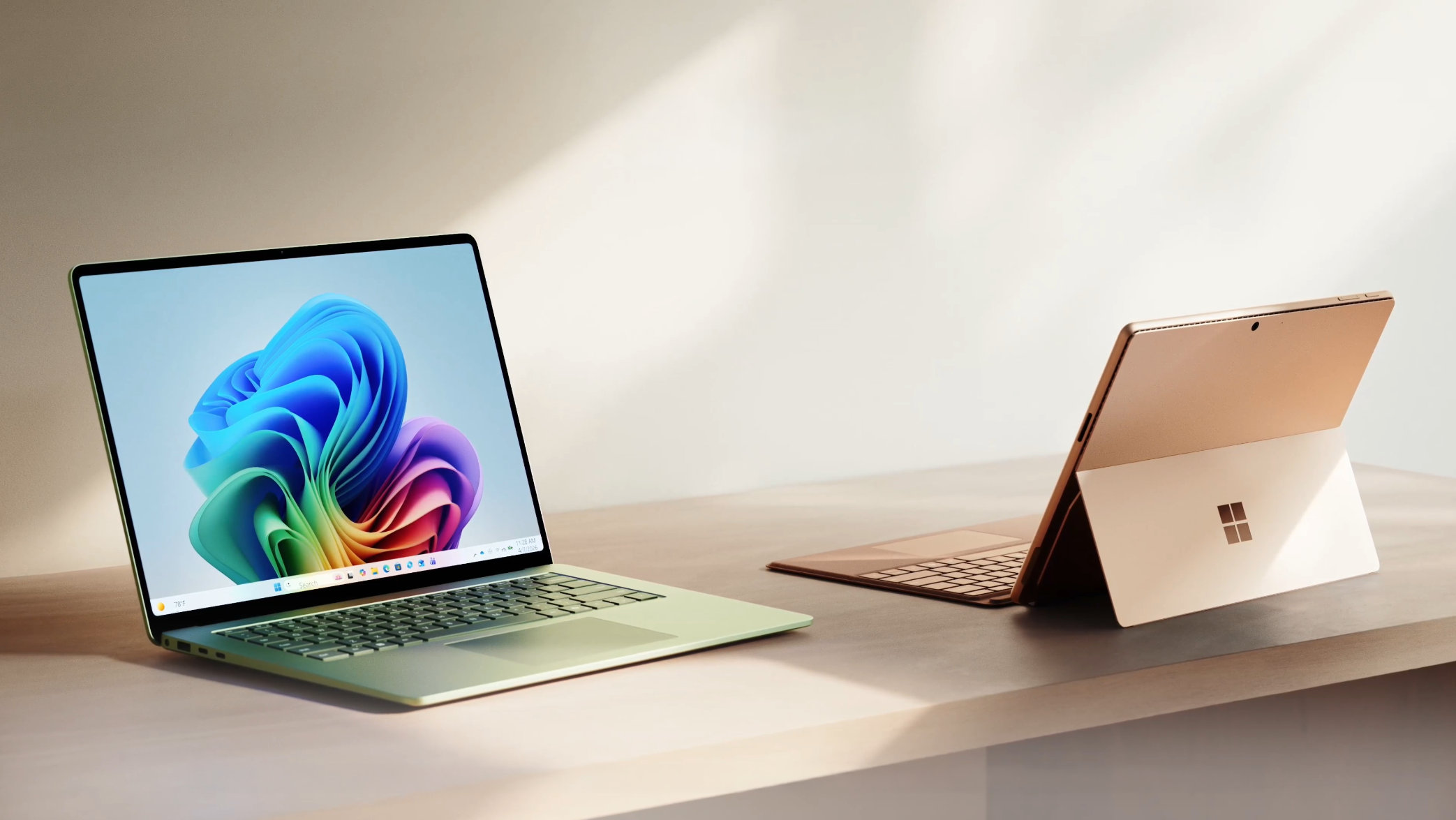
As the demand for sustainable technology grows, consumers are increasingly seeking devices that align with their environmental values. Eco-friendly laptop computers are becoming mainstream essentials for individuals and organizations aiming to reduce their carbon footprint. Surface Laptop and Surface Pro stand out in this space, offering environmentally friendly devices that combine performance with Microsoft’s commitment to sustainability.
What is an eco-friendly laptop?
An eco-friendly laptop is defined by its materials, energy efficiency, and lifecycle design. Manufacturers committed to sustainability use recycled materials such as aluminum, plastics, and rare earth metals to reduce the environmental impact of production. Energy efficiency certifications like ENERGY STAR® and EPEAT® Gold signal that a device meets rigorous standards for low power consumption. Additionally, repairability and recyclability are crucial—devices designed for easy upgrades and end-of-life recycling help minimize electronic waste and extend product lifespan.
Microsoft Surface’s sustainability commitment
Microsoft’s environmental goals include becoming carbon negative, water positive, and zero waste by 2030. Surface PCs are another step toward Microsoft’s goal. From sourcing materials to packaging and delivery, sustainability is embedded in every stage of the Surface lifecycle. Microsoft’s Eco Profiles provide detailed insights into how environmentally friendly Surface laptops are, which can help you make informed choices.
Eco-friendly design features of Surface
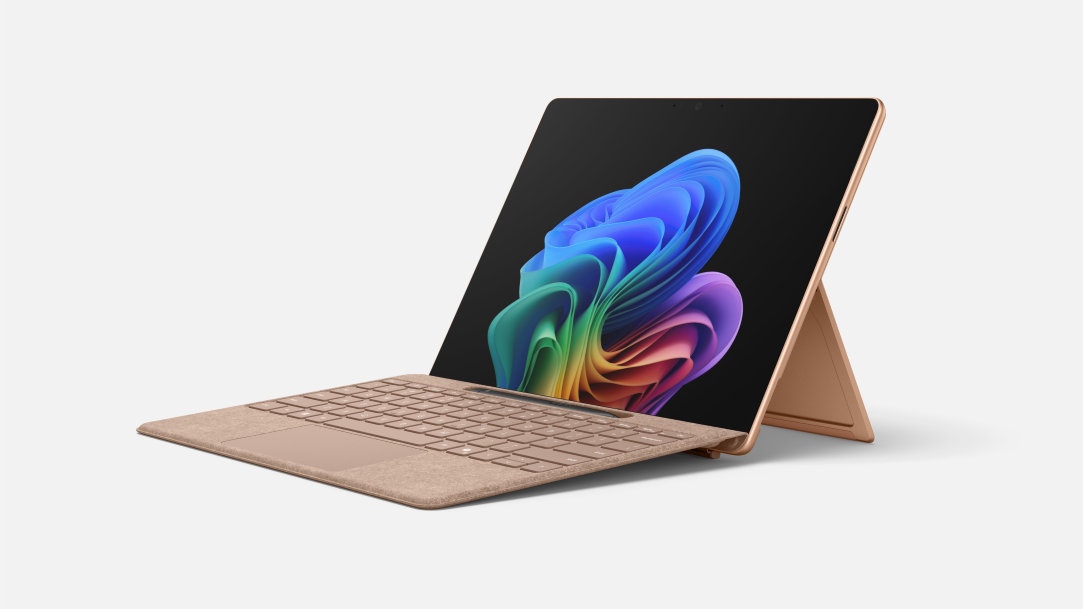
Surface Laptop and Surface Pro are designed with sustainability in mind. When you choose a Surface Laptop or Surface Pro, you’re also supporting responsible innovation and sustainability.
To begin with, Surface Laptop and Surface Pro are built with the following recycled materials:
- 100% recycled cobalt in the battery cell
- 100% recycled aluminum alloy
- 100% recycled rare earth metals1
Additional examples of Surface sustainability include:
- Surface Laptop, 13.8-inch and Surface Laptop, 15-inch:
- Surface Laptop, 13-inch:
- Recycled materials: Battery cell makes use of 100% recycled cobalt, 100% recycled rare earth metals in device magnets.
- Packaging: 73% recycled content in wood-based fiber consumer packaging, paper-based, minimizing plastic use.
- Offers a non-PSU version (non-power supply unit) which reduces e-waste and lowers carbon emissions upon delivery.
- Surface Pro, 13-inch:
- Surface Pro, 12-inch2
- Enclosure: Made with a minimum of 82.9% recycled content.
- Packaging: 71% recycled content in wood-based fiber consumer packaging, paper-based, minimizing plastic use.
- All Surface devices:
- Repairs: Replaceable components like the motherboard, battery, and cameras. Replacement parts are conveniently available through the Microsoft Store.
- Service: Clear repair instructions via icons, QR codes, and user-friendly guides.
- Packaging: 100% of virgin paper sourced comes from responsibly managed forests.
Energy-saving technologies
Surface PCs are engineered for energy efficiency. Surface Laptop and Surface Pro are ENERGY STAR® certified3 and meet EPEAT® Gold standards—the highest rating level for environmental performance. Features like adaptive brightness, low-power components, and efficient battery management help reduce energy consumption during use.
And, because Surface Laptops and Surface Pro 2-in-1s run Windows 11, they have enhanced energy efficiency capabilities with power-saving settings that extend battery life and reduce charging cycles. Updates are scheduled to run when lower-carbon electricity options are available on the grid, further minimizing environmental impact4.
Recycling and end-of-life programs
Microsoft makes trade-in and recycling convenient and secure with global Surface Trade-in programs. You can return old laptops through the Surface Trade-in program, which ensures secure and responsible disposal or refurbishment. Certified refurbished Surface laptops meet the same quality standards as new devices and offer a sustainable alternative for budget-conscious buyers.
Trade-in initiatives support circular design principles, helping to reduce e-waste and promote reuse. Microsoft also provides instructional videos and service guides to help you repair and maintain your devices and take part in sustainability efforts.
Surface: Designed with sustainability in mind
Today, choosing a laptop means choosing a product that reflects a commitment to the planet. With eco-friendly laptop computers like the Surface Laptop and Surface Pro, Microsoft is leading the way in responsible innovation. Whether you're upgrading your tech or making your first purchase, Surface offers environmentally friendly choices without compromising performance or values.
- [1] Enclosure includes bucket, kickstand 100% recycled aluminum alloy in bucket. 100% recycled rare earth metals in magnets. Based on validation performed by Underwriter Laboratories, Inc. using Environmental Claim Validation Procedure (ECVP) for Recycled Content, UL ECVP 2809-2, Second Edition, dated June 2024.
- [2] Surface Pro, 12-inch is made with more recycled materials than any previous Surface Pro, containing a minimum of 32.4% recycled content.
- [3] Computers that have earned the ENERGY STAR label are third-party certified to be energy efficient and use 25% - 40% less than conventional models by using the most efficient components and better managing energy use when idle.
- [4] When devices are plugged in, turned on, connected to the Internet, and where regional carbon intensity data is available from WattTime. See site for details.
- [5] Enclosure includes A Cover and C Bucket. 64% recycled aluminum alloy in A Cover and C Bucket. 100% recycled rare earth metals in magnets. Based on validation performed by Underwriters Laboratories, Inc. using Environmental Claim Validation Procedure (ECVP) for Recycled Content, dated June, 2024.
- [6] Applies to sales packaging. Based on internal analysis using IEEE Std 1680.1-2018. IEEE Standard for Environmental and Social Responsibility Assessment of Computers and Displays. 4.7.3.1 Required—Recycled content in wood-based fiber packaging.
- [7] Comparison based on product energy consumption vs. ENERGY STAR® certification limits for personal computers. Actual performance varies by configuration and usage.
You may also like

The differences between Surface Laptop and Surface Pro from Microsoft

Surface Laptop: Which one is right for you?
