
Our approach

Now is the time for urgent action. Those of us that can do more, should do more. But the challenges we face are complex, and no one company, sector or country can solve them alone.”

Brad Smith
Vice Chair and President, Microsoft
Our impact

Preventing wildfires
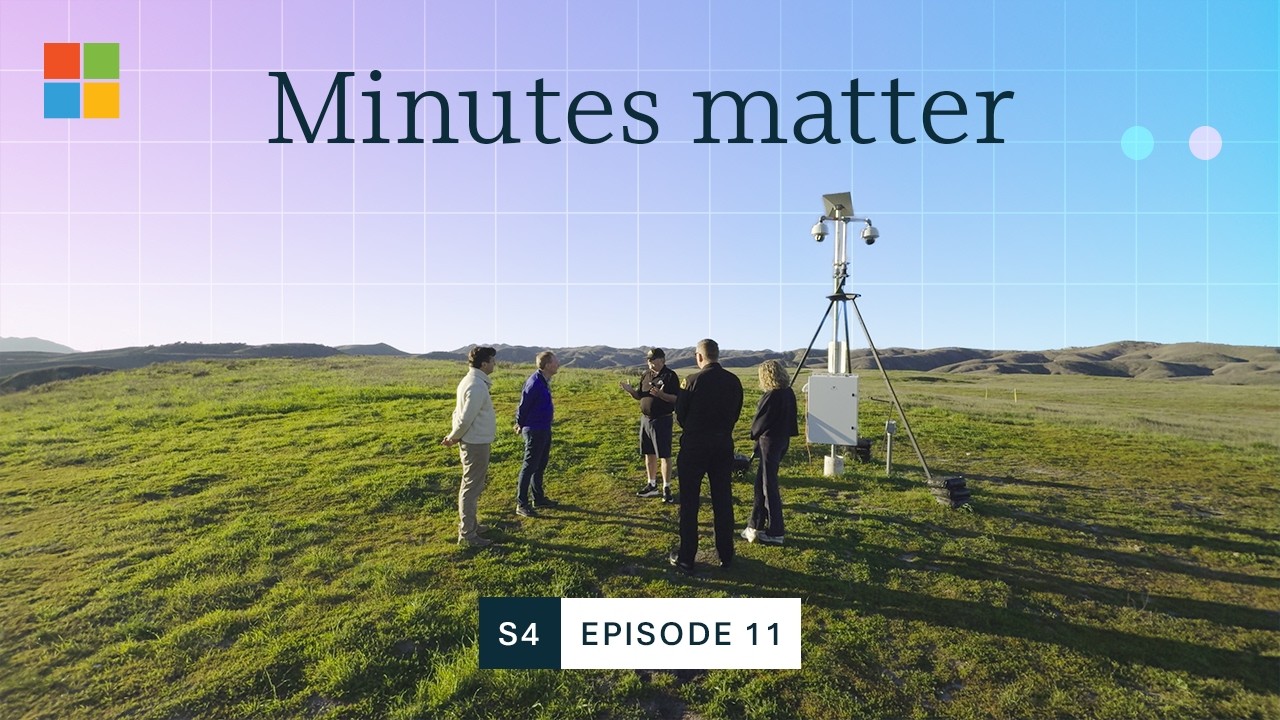
ALERTCalifornia strengthens wildfire detection and disaster response by applying AI to California’s statewide hazard monitoring camera network.

Humanitarian response
HASTE applies AI to rapid disaster damage assessment, helping governments and humanitarian organizations respond faster to natural disasters.

Wildlife conservation
SPARROW enables biodiversity research through solar-powered edge AI that processes environmental data close to where it is collected.

Language Initiative
LINGUA advances multilingual AI by funding open datasets that help preserve and support low-resource languages.

Culture AI
Preserving cultural heritage with AI by digitizing historic sites, safeguarding endangered languages, and expanding access to cultural knowledge.
Research and publications
Two multi author books from Juan Lavista Ferres documenting Microsoft’s AI for Good and AI Economy Institute work — one foundational, one launching a new ongoing series.

AI for Good: Applications in Sustainability, Humanitarian Action, and Health

Degrees of Change: What AI Means for Education and the Next Generation
The people and ideas shaping responsible AI
Explore the latest thinking, research, and real-world applications shaping the future of AI for Good and the AI economy. From published works and global collaborations to the experts behind the research, read more about the ideas, people, and perspectives advancing responsible AI innovation.


Featured projects

Project Guacamaya
Project Guacamaya uses AI and daily satellite imagery to detect deforestation faster and help protect the Amazon’s biodiversity.

Curbing malnutrition with AI
AI-powered predictive modeling helps communities in Kenya anticipate malnutrition risks, enabling earlier interventions to improve health and food security.

Giving every language a voice
Microsoft is helping communities preserve endangered languages and build AI tools that enable people to participate in the digital world in their own language.

The Prompt with Trevor Noah
Trevor Noah explores how AI is helping people worldwide tackle challenges across healthcare, sustainability, accessibility, conservation and more.

Humanitarian mapping through community collaboration
Kakuma residents and AI experts are creating more accurate maps to improve infrastructure planning, essential services and humanitarian support.

Guardians for the planet
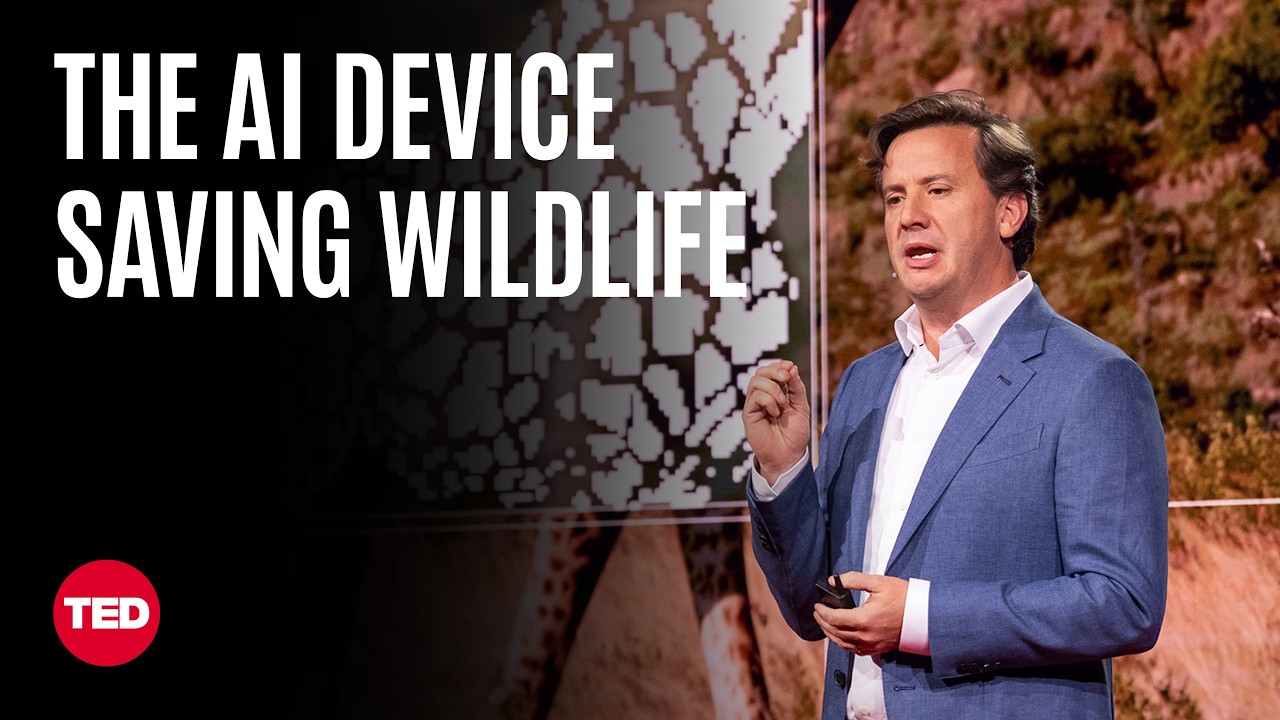
Project SPARROW uses AI-powered cameras, sensors and satellite connectivity to monitor wildlife in real time and help protect remote ecosystems.

Advancing sustainability
AI-powered bioacoustics helps researchers listen to the Amazon, identify wildlife and detect ecosystem changes faster to support conservation.

Connecting to cultural heritage
AI and digital preservation bring St. Peter’s Basilica to life through an immersive digital twin accessible to people around the world.

AI for marine conservation efforts
AI helps experts find and remove abandoned fishing nets faster, protecting marine life and supporting cleaner, healthier oceans.
Lab geo locations
The Microsoft AI for Good Lab operates as a global network with six branches that pair Microsoft data scientists with local researchers and partners on the ground.
Engage with us
Follow us