


Microsoft Research Cambridge
Future AI Infrastructure
Innovative hardware and systems for sustainable and efficient AI infrastructure
Networking
Historically, significant advancements in datacenter design have relied on disruptive network innovations that redefine the balance among bandwidth, latency, power consumption, and cost. For example, the introduction of high-bisection bandwidth networks in the late 2000s enabled cloud datacenters to separate compute from storage, greatly enhancing scalability and efficiency.
Today, the rapid growth of AI workloads is once again stretching current network technologies to their limits, creating performance bottlenecks, driving up costs, and increasing power usage. In response, Microsoft Research is closely collaborating with Azure Core, Azure Hardware, and Microsoft 365 to overcome these challenges.
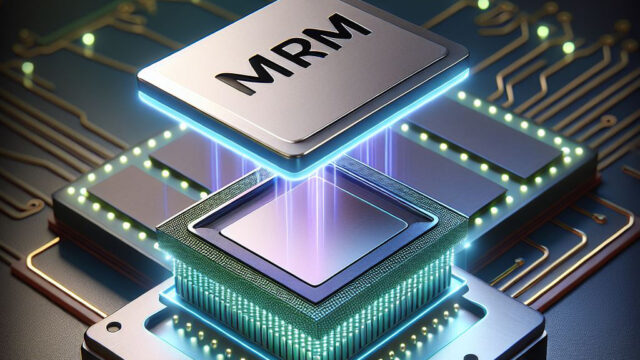
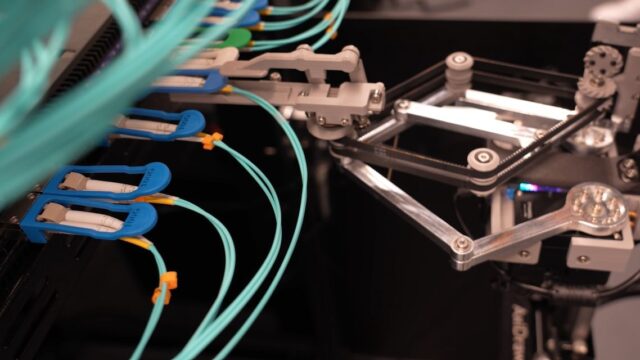
Together, we are developing innovative optical transceiver and switching technologies designed to deliver significantly higher bandwidth and reliability while reducing power consumption and costs. These advancements not only substantially improve performance-per-dollar but also open new opportunities for fundamentally reimaging AI infrastructure, from accelerators and memory subsystems designs to rack and datacenter architectures, ensuring Microsoft remain at the forefront of datacenter innovation and shaping the next generation of infrastructure optimized for the AI era.