Threat trends
Cybersecurity threats are always changing. Explore the latest trendsโand learn how to stay ahead of them.
Refine results
Topic
Threat intelligence
Products and services
Publish date
-
During the MITRE ATT&CK evaluation, Microsoft Threat Protection delivered on providing the deepest optics, near real time detection, and a complete view of the attack story. -

Microsoft shares new threat intelligence, security guidance during global crisis
Our threat intelligence shows that COVID-19 themed threats are retreads of existing attacks that have been slightly altered to tie to the pandemic. -
Threat matrix for Kubernetes
While Kubernetes has many advantages, it also brings new security challenges that should be considered. -
Azure Sentinel uncovers the real threats hidden in billions of low fidelity signals
Azure Sentinel Fusion technology uses powerful machine learning methods to enable your SecOps team to focus on the threats that matter. -
Cyber-risk assessments—the solution for companies in the Fourth Industrial Revolution
A cyber-risk assessment is crucial to any organization’s risk management strategy. -
How companies can prepare for a heightened threat environment
Learn what actions companies can take and controls they can validate in light of the current level of threats, and during any period of heightened risk. -
Threat hunting in Azure Advanced Threat Protection (ATP)
DART was called into an engagement where the adversary had a foothold within the on-premises network, which had been gained through compromising cloud credentials. -
Ransomware response
As part of Microsoft’s Detection and Response Team (DART) Incident Response engagements, we regularly get asked by customers about “paying the ransom” following a ransomware attack. -
Spear phishing campaigns—they’re sharper than you think
Spear phishing campaigns can be highly effective—but they aren’t foolproof. -
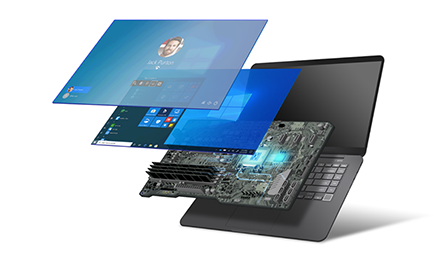
Microsoft and partners design new device security requirements to protect against targeted firmware attacks
We’ve been working with partners to design what we call Secured-core PCs, devices that meet a specific set of device requirements that apply the security best practices of isolation and minimal trust to the firmware layer. -
How to prevent phishing attacks that target your customers with DMARC and Office 365
DMARC security protocol helps you take control of who can send email messages on your behalf, eliminating the ability for cybercriminals to use your domain to send their illegitimate messages. -
Azure Sentinel—the cloud-native SIEM that empowers defenders is now generally available
Our goal has remained the same since we first launched Microsoft Azure Sentinel in February: empower security operations teams to help enhance the security posture of our customers.