
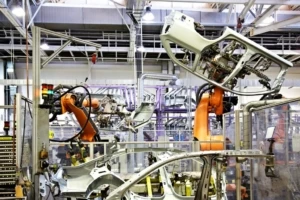
The automotive industry in the time of COVID-19
COVID-19 has impacted our lives in ways many of us could not have imagined. From how we interact with our friends and family to working from home and so much more.

At HIMSS 2026, Microsoft Dragon Copilot advances unified AI workflows to help clinicians reduce complexity and stay focused on patients.

COVID-19 has impacted our lives in ways many of us could not have imagined. From how we interact with our friends and family to working from home and so much more.

It would be an understatement to say that the COVID-19 pandemic has changed our lives, both personally and professionally. As the situation rapidly changes, all of us in the business world are learning and adapting as quickly as possible to respond to the crisis at hand and keep our communities safe.

COVID-19 has impacted our lives in ways many of us couldn’t have imagined. From how we interact with our friends and family to working from home and so much more. For me personally, juggling the joys of homeschooling my teenage boys with a packed work schedule has been a true personal test.

As the world continues to respond to the outbreak of COVID-19, our thoughts are with the people affected and the medical professionals working around the clock to help those most in need.

As the world continues to respond to the outbreak of COVID-19, our thoughts are with the people affected and the medical professionals working around the clock to help those most in need.

We are hearing from our manufacturing customers around the globe about how the outbreak of COVID-19 is creating new challenges as they work to handle drastic shifts in materials supply and customer demand, and manage factory closures, while contributing to the production of critical supplies to first-line responders across the globe.

Before working for Microsoft I worked for the National Health Service (NHS) in the UK for nine years, and we had to deal with complex and significant situations regularly, but nothing with the scale and impact of the current pandemic crisis.

A recent report from TM Forum looked at Communications Service Providers’ (CSP) strategies to move corporate IT, OSS/BSS, and network applications to the cloud.
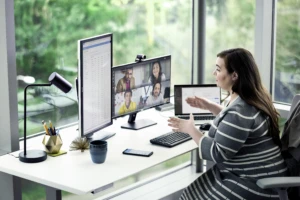
As the global economy becomes increasingly technology-intensive, the nature of the workforce is changing dramatically. Basic digital literacy is a prerequisite for employment and more specialized technical skills are in high demand. Organizations and individuals alike understand that workers must become lifelong learners who continuously acquire new skills throughout their careers.
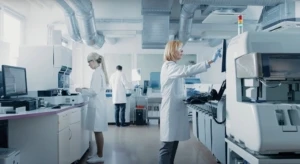
The healthcare industry is undergoing an enormous transformation. This transformation is being driven by one core idea; expectations of patient care and wellness are changing. Technology is enabling healthcare organizations to reimagine how care is delivered and managed for the long term.

Public health organizations are chartered with ensuring the health and well-being of individuals, families, and communities. Their scope of responsibility is wide-ranging and varies from country to country, and they are required to provide direct healthcare services to their citizens, including epidemiology and disease prevention.

Eighty-five percent of business leaders feel they must offer digital services or become irrelevant.1 Ninety-one percent see digital transformation as a way of sparking innovation and finding efficiencies.2 While business leaders understand the need to develop a digital transformation strategy, many aren’t sure where to start. A playbook like this one can help.