
Refine results
Content Type
Topic
Threat intelligence
Products and services
Publish date
-
Women’s History Month: Encouraging women in cybersecurity at every career stage
This Women’s History Month, we explore ways to support the next generation of female defenders at every career stage. -
Malicious AI Assistant Extensions Harvest LLM Chat Histories
Malicious AI browser extensions collected LLM chat histories and browsing data from platforms such as ChatGPT and DeepSeek. -
Signed malware impersonating workplace apps deploys RMM backdoors
Signed malware backed by a stolen EV certificate deployed legitimate RMM tools to gain persistent access inside enterprise environments. -
OAuth redirection abuse enables phishing and malware delivery
OAuth redirection is being repurposed as a phishing delivery path. -
Threat modeling AI applications
AI threat modeling helps teams identify misuse, emergent risk, and failure modes in probabilistic and agentic AI systems. -
Developer-targeting campaign using malicious Next.js repositories
A developer-targeting campaign leveraged malicious Next. -
Scaling security operations with Microsoft Defender autonomous defense and expert-led services
AI-powered cyberattacks outpace aging SOC tools, and this new guide explains why manual defense fails and how autonomous, expert-led security transforms modern protection. -
New e-book: Establishing a proactive defense with Microsoft Security Exposure Management
Read the new maturity-based guide that helps organizations move from fragmented, reactive security practices to a unified exposure management approach that enables proactive defense. -
Running OpenClaw safely: identity, isolation, and runtime risk
Self-hosted agents execute code with durable credentials and process untrusted input. -
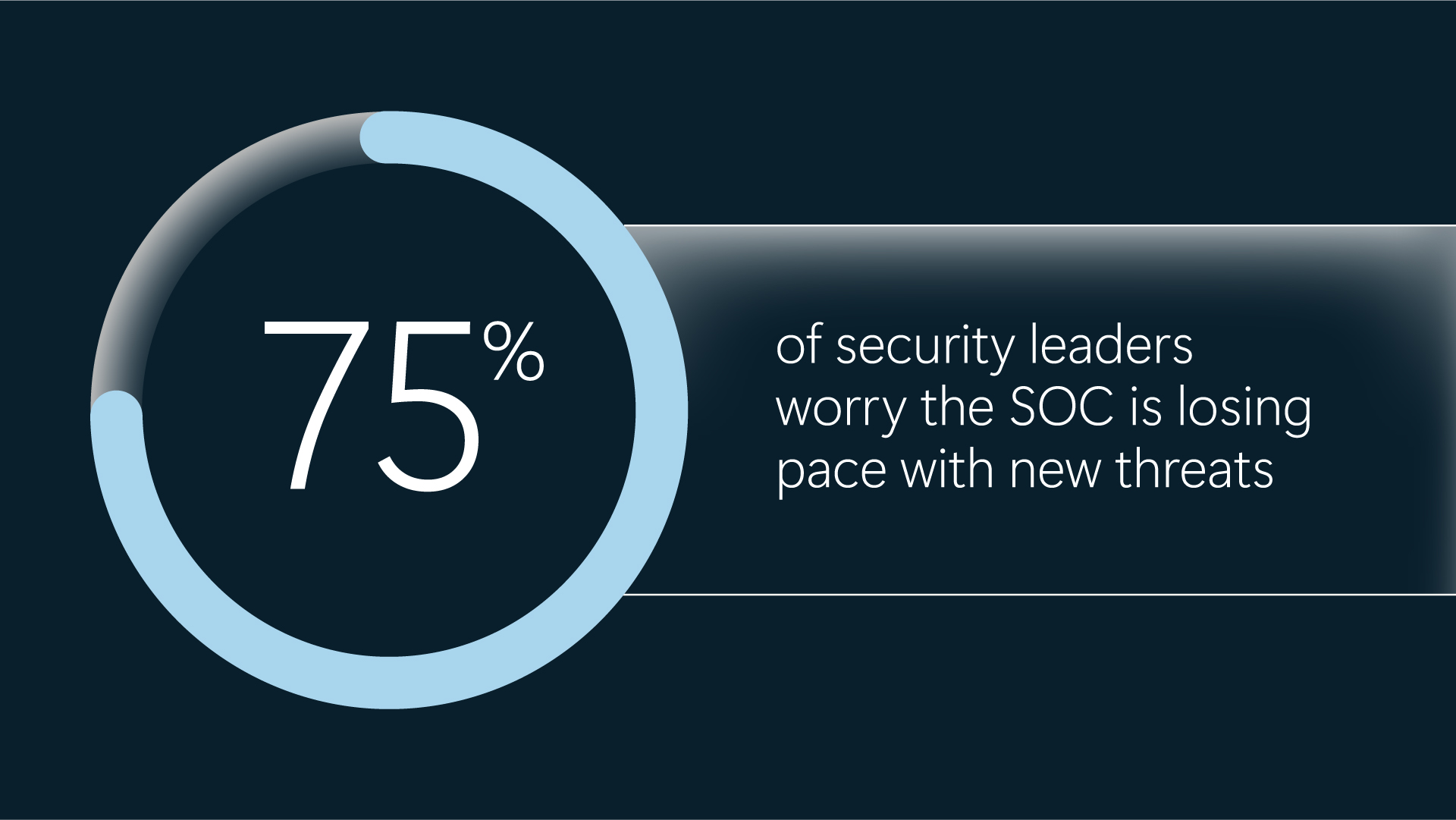
Unify now or pay later: New research exposes the operational cost of a fragmented SOC
New research from Microsoft and Omdia reveals how fragmented tools, manual workflows, and alert overload are pushing SOCs to a breaking point.