Lessons from the pandemic are shaping the future of public safety
The COVID-19 pandemic forced a seismic shift in how public sector organizations engage with their communities and constituents.
Cities worldwide are using trusted AI to strengthen urban infrastructure, improve sustainability, and ensure resilience against future challenges.
The COVID-19 pandemic forced a seismic shift in how public sector organizations engage with their communities and constituents.
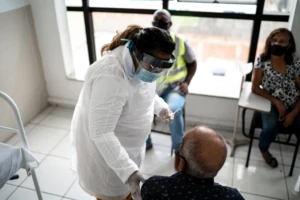
The global pandemic is far from over, we want to take this opportunity to recognize and applaud the continued heroic efforts by front-line workers—healthcare workers, first responders, service workers, and others—around the world. They put their lives at risk every day to save patients and keep critical operations running.
As the world emerges from a global pandemic, nations face a pivotal moment for government technology. Governments at every level are at the brink of digital transformation, but at the same time vulnerable to cyberattacks. Going forward, governments must invest in new technology and top-tier security software to deliver services while protecting critical infrastructure.
Microsoft has developed one of the largest technology ecosystem in the world, which provides opportunities for our partners in the defense industrial base to digitally transform and deliver mission capability.
As we celebrate our partner community at our annual Microsoft Inspire event this week, it’s important to reflect on the pivotal role our partners play in helping us to empower every government agency and every person on the planet to achieve more.
Clouds are ever evolving. In technology terms, we generally think of it as a ‘hyperscale cloud’, built with near infinite scale and almost limitless possibilities. The pragmatic reality of adopting cloud, especially within government, is shades of grey in nature.
In the 1960s, military strategist John Boyd developed the concept of OODA – Observe, Orient, Decide, Act. This combat philosophy emphasized agility over brute force: If you see more, understand better, decide faster, and react more quickly than an adversary, you likely win.
As governments worldwide consider how best to safely welcome a majority of their employees back to the workplace, a fair question is how much that in-person interaction adds to the digital collaboration that has taken place over the past year.
Mobility and transit are not only changing how people move around, they are key components of a changing urban landscape. Development of automated vehicles continued over the past year; electric vehicles are helping to tackle climate change; and a wealth of public and private mobility developments in cities have given residents more travel options than ever.
Over the next five years, more than 149 million tech jobs are expected to emerge in areas such as software development, cybersecurity, artificial intelligence (AI), and machine learning. Because of this, supporting global economic development lies in empowering workers with the skills they need to be successful and thrive in this digital economy.
Practical actions that governments can take to step-change the way they use innovation to achieve their economic, social, and sustainability objectives.
I love cities. I’ve been fortunate to live, learn, and work in some of the best in the world. Cities are hubs of cutting-edge technology and human productivity. But they also have rich histories, beautiful architecture, and complex cultures. Cities are places where the old constantly meets the new.