

AI and analytics for tax fraud prevention and detection
Discover how AI and analytics empower tax agencies to prevent and detect fraud, enabling governments to identify risks and combat tax-related fraud efficiently.

At HIMSS 2026, Microsoft Dragon Copilot advances unified AI workflows to help clinicians reduce complexity and stay focused on patients.

Discover how AI and analytics empower tax agencies to prevent and detect fraud, enabling governments to identify risks and combat tax-related fraud efficiently.
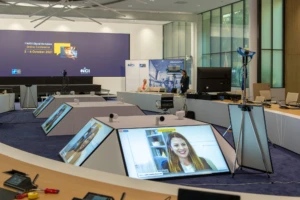
I recently participated in the first-ever NATO Digital Workplace Conference, where we spent two days discussing the future of defense work. It was a fantastic event, and I was honored to keynote a session on “A digital workplace for a modern defense ecosystem.
With the significant levels of disruption that we have seen over the last few years, Digital Ecosystems have become instrumental in value creation.

Among the challenges public sector agencies face, solving critical infrastructure problems are one of the most urgent. With cyberattacks, demands from citizens, and regulatory requirements growing in complexity, there is increasing pressure to deliver government services more effectively.

The theme of last week’s Sibos 2021 financial services event was “Recharging Global Finance — the digital journey evolves” — with the opportunity to debate how to recharge global finance and accelerate change for the better. It was a very fitting and thoughtful discussion, given the seismic shifts within the financial services industry.

The connection between patients, care teams, and data is fundamental to delivering the best possible outcomes. Health organizations are investing in new care services, like virtual visits, home health, and remote patient monitoring, that allow them to connect with patients and provide an experience that is well-informed with essential health data.

Like so many of you, I got my first job in a retail store (after babysitting) and like many around the world it was my first introduction to the workplace. Retail always has been and always will be a people business with many employed on retail’s frontline.

One of the clearest realizations made in the midst of industrial transformation triggered by the COVID-19 pandemic has been that global manufacturing is powered by the frontline workforce. The industry witnessed a sea of change: a significant disruption in terms of business continuity, operational visibility, remote work, employee safety, and the list goes on.

A few weeks ago I shared our insights on the 5 manufacturing trends driving the need for an industry cloud. However, many have reached out to me to say there’s an even more compelling reason to accelerate digitization of manufacturing data, and digitalization of manufacturing processes.

It’s more important than ever to reduce your organization’s carbon footprint. When you take decisive action to set and meet sustainability goals, it’s better for the planet and for your business. At Microsoft, we’re committed to becoming carbon negative by 2030—and to empowering businesses and organizations to reduce their environmental impact as well.

The pandemic cemented the value of digitization and digital channels in the financial services industry—and created new expectations with customers and employees.

We live in a changed world. Governments, businesses, and individuals have seen years of digital transformation take place in mere months. Innovative technology can help governments address complex economic, social and sustainability issues. But the scale and pace of this transformation brings new challenges and intensifies inequities in communities around the world.