

Always-on customer engagement: Better perspectives lead to better insights
Have you ever thought about what makes a leader different from a manager? Is it skills and experience? Expertise? Natural talent? Think about it this way.

Setting the stage: Why these conversations matter In today’s rapidly evolving threat landscape, security leaders are being asked to do more with less. Shrinking budgets, hiring freezes, and reduced access to critical tools are the new reality for CISOs and their teams. Yet, the expectations have never been higher: business resilience, regulatory compliance, and innovation

Have you ever thought about what makes a leader different from a manager? Is it skills and experience? Expertise? Natural talent? Think about it this way.

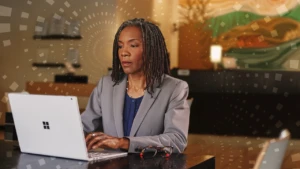
Business operations have transformed tremendously over the course of 2020. Leaders across all industries, including financial services, have evolved how they communicate, collaborate, problem solve, and lead teams in a remote and hybrid work culture. And today, many of those leaders shepherding financial services companies through challenging times of change are women. A study by Oliver Wyman found that women now make up 20% of executive committees and 23% of boards at major financial institutions1.
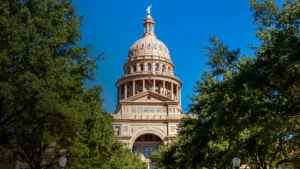
Accelerate: Texas Creating a workforce for a digitally transformed future Programs | Partners As the world begins to reopen and businesses continue to adjust to a new reality post-COVID-19, the need for a more tech-savvy workforce will be paramount. The Microsoft Global Skills Initiative is a multimillion-dollar investment supported by robust collaborative partnerships.

In the lead-up to 2020, insurers were showing great staying power as they rode out an unsettled economy. But with the onset of COVID-19, that turbulence has only gotten more intense. Claims are becoming more frequent and more severe as catastrophic events happen at an increasing rate.
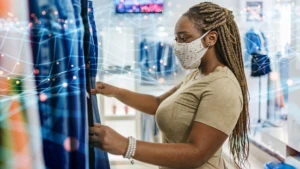
Firstline employees are often the face of your retail business, which means that their performance can directly impact how consumers view your brand. These employees, however, can only support great customer experiences as far as their technology will let them.

2020 has been a year like none other. COVID-19 has brought about not only a public health crisis, but an economic one as well. But historically, skills training has not reached the people in underserved communities who need it most, such as people of color, people with disabilities, and women.
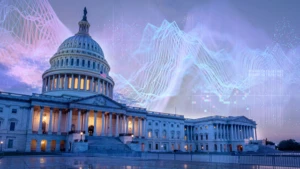
Over the past several months, we’ve seen some heroic efforts by our federal government customers to respond to the many COVID-19 impacts that have disrupted work and life in the U.S. and around the world.

Energy markets are not exempt from the impact of digital change in the global economy. Recently, I attended a panel discussion hosted by Risk.
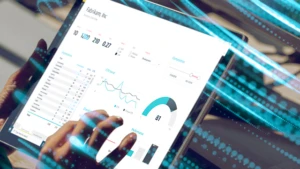
What a great week it has been at Sibos 2020. It was exciting to hear from leaders how they are adapting to a new environment, as they deliver digital value and innovate responsibly.

Sustainability is about survival. We want our businesses and communities—our species and planet—to carry on without running out of essential resources. Sustainability drives such important outcomes for business and society that it has become a compelling organizational priority. Microsoft has ambitious plans around sustainability.
Financial services institutions are increasingly using artificial intelligence (AI) to automate and augment their decisions. But when it comes to which AI algorithms to use, fairness and transparency must factor into the equation. Black box AI: a cautionary tale Some of the algorithms under heavy consideration today are called “black box” algorithms.

Much like Microsoft’s mission to empower every person and every organization on the planet to achieve more, the mission of the American Hospital Association (AHA) is succinct and straightforward: to advance the health of individuals and communities.