Cyberattacker techniques, tools, and infrastructure
Cyberattackers constantly evolve their techniques, tools, and infrastructure to launch increasingly complex attacks. Learn about the latest tactics and how to detect, disrupt, and defend against them.
Refine results
Topic
Products and services
Publish date
-
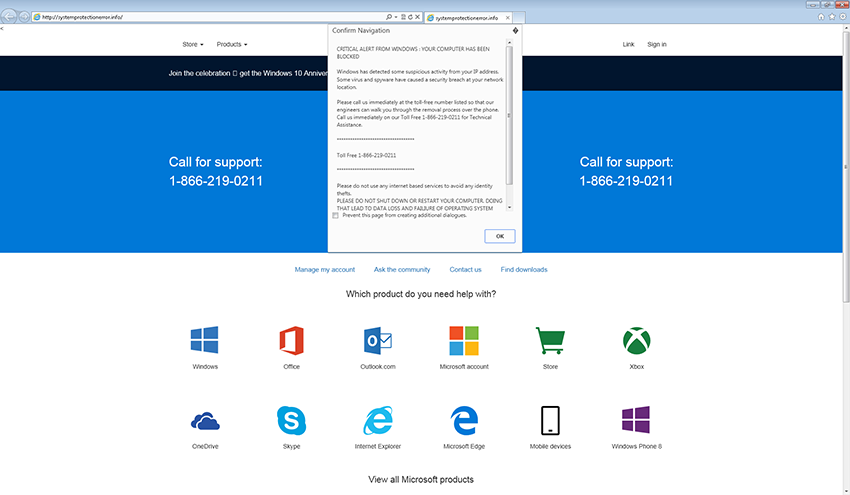
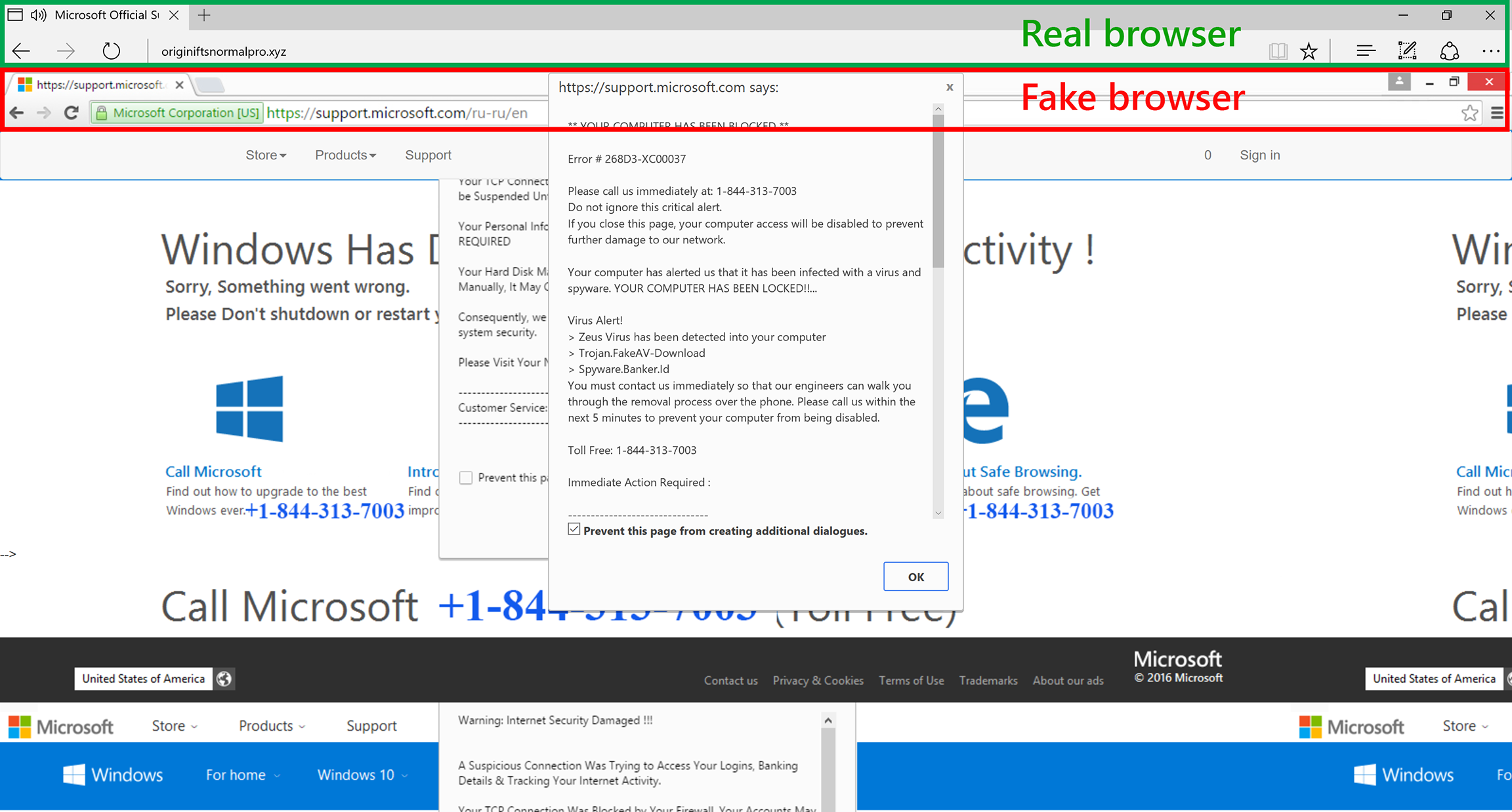
Technical support scams continue to evolve, employing more and more complex social engineering tactics that can increase panic and create a false sense of legitimacy or urgency in an effort to get more victims. -
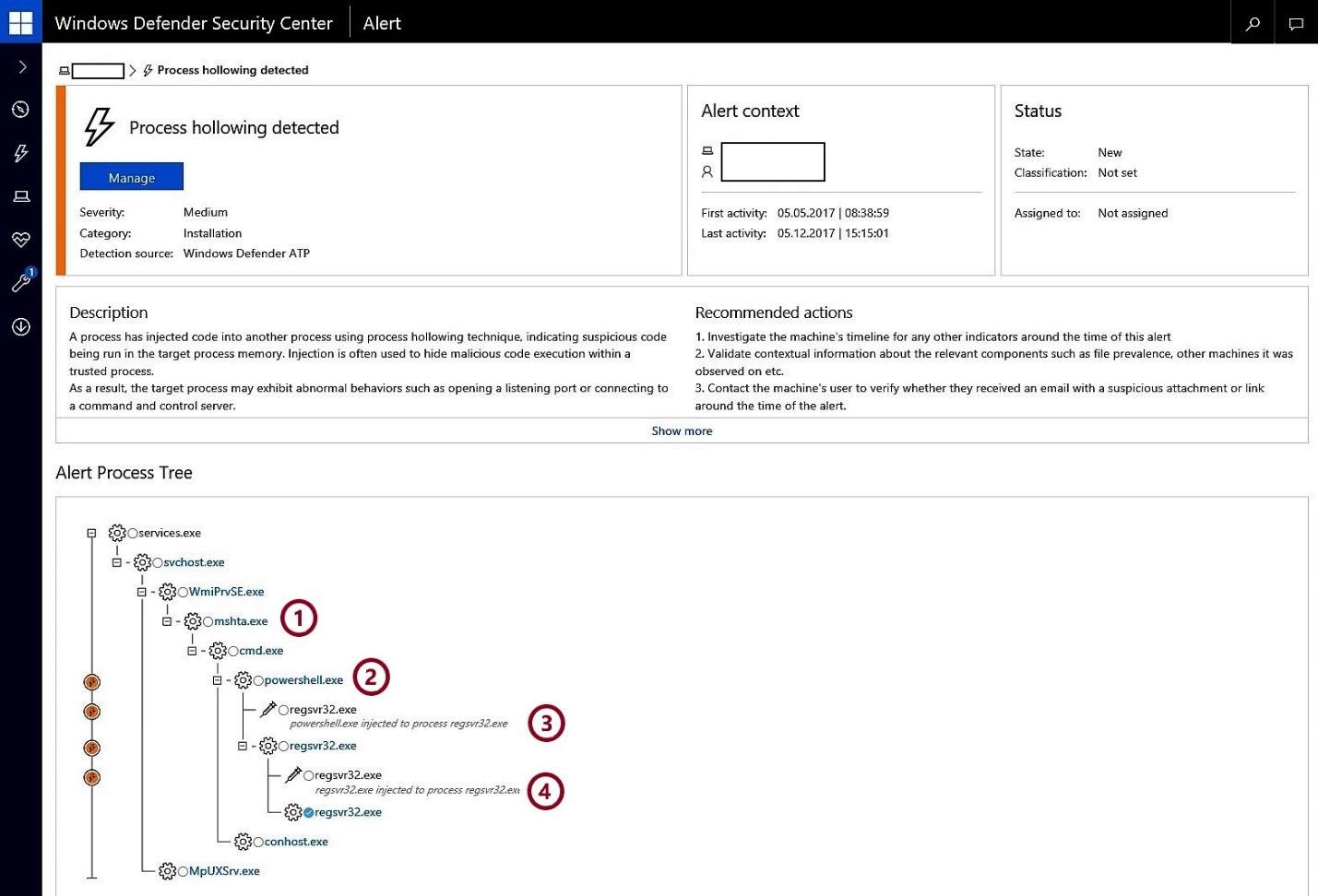
Uncovering cross-process injection with Windows Defender ATP
Windows Defender Advanced Threat Protection (Windows Defender ATP) is a post-breach solution that alerts security operations (SecOps) personnel about hostile activity. -
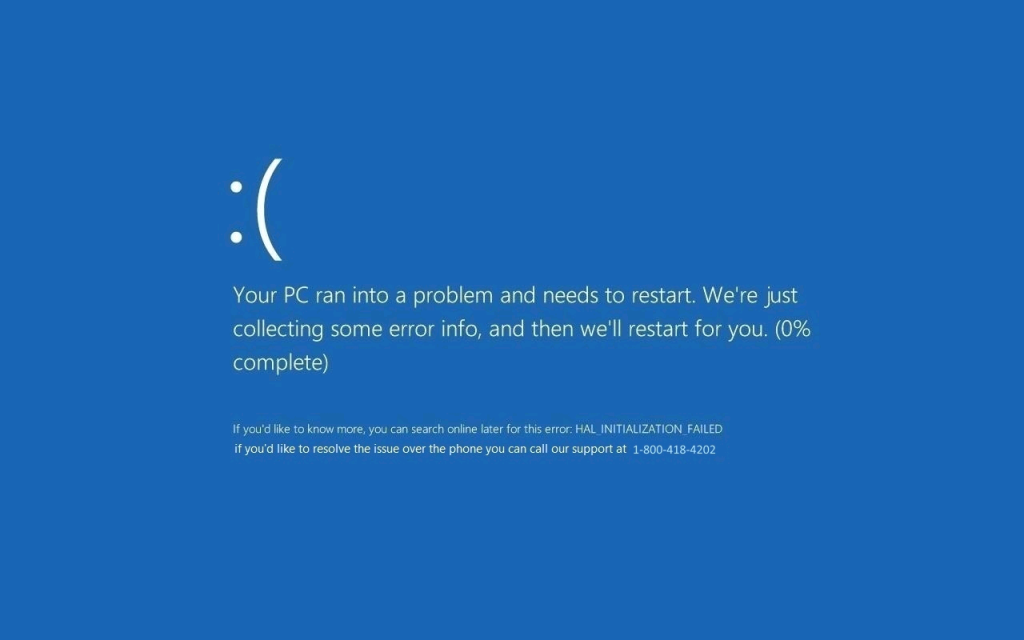
Breaking down a notably sophisticated tech support scam M.O.
The cornerstone of tech support scams is the deception that there is something wrong with your PC. -
Detecting cyber threats
This post is authored by Joe Faulhaber, Senior Consultant ECG In today’s cyber threat landscape, it’s not a question of if an attack will occur, but who will attack and when. -
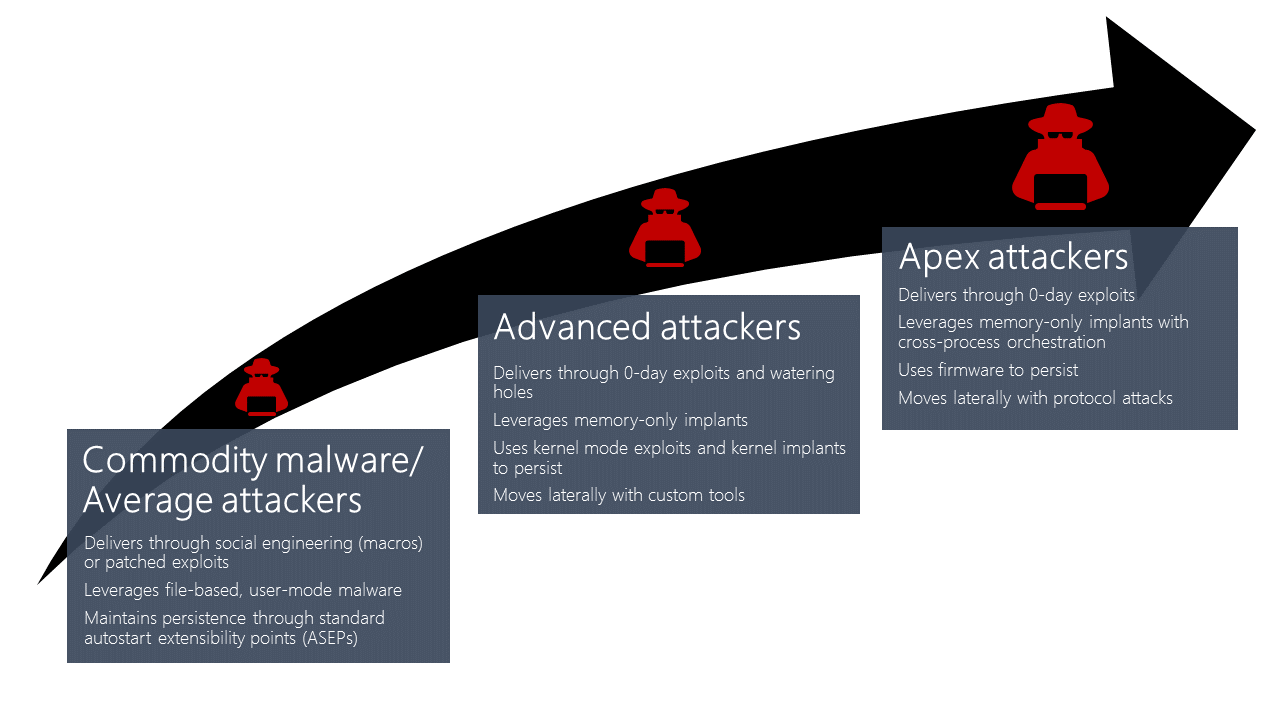
Twin zero-day attacks: PROMETHIUM and NEODYMIUM target individuals in Europe
Targeted attacks are typically carried out against individuals to obtain intellectual property and other valuable data from target organizations. -
Disrupting the kill chain
This post is authored by Jonathan Trull, Worldwide Executive Cybersecurity Advisor, Enterprise Cybersecurity Group. -
Office 2013 can now block macros to help prevent infection
In response to the growing trend of macro-based threats, a new feature in Office 2016 allows an enterprise administrator to block users from running macros in Office documents that originated from the Internet. -
Beware of Hicurdismos: It’s a fake Microsoft Security Essentials installer that can lead to a support call scam
(Note: Our Tech support scams FAQ page has the latest info on this type of threat, including scammer tactics, fake error messages, and the latest scammer hotlines. -
Kovter becomes almost fileless, creates a new file type, and gets some new certificates
Trojan:Win32/Kovter is a well-known click-fraud malware which is challenging to detect and remove because of its file-less persistence on infected PCs. -
New feature in Office 2016 can block macros and help prevent infection
To help counter malware, we are releasing a new feature in Office 2016 that blocks macros from loading in certain high-risk scenarios. -
Adware: A new approach
Protecting the modern workplace from a wide range of undesirable software Our evaluation criteria describe the characteristics and behavior of malware and potentially unwanted applications and guide the proper identification of threats. -
Ad injection and you: How adware gets on your computer
Are advertisements showing up in your browser (no matter whether you use Internet Explorer, Firefox or Chrome) on sites that you’ve never seen ads on before; or, do the ads seem different from what you’ve seen before? Your system might be affected by adware that injects advertisements into sites as you browse, such as Adware:Win32/InfoAtoms […]