
Recent years have seen growing connections between generative modeling and broader problems in measure transport, sampling, inference, and control. These connections have led to new theoretical insights as well as practical advances in model training, fine-tuning, inference-time alignment, and scientific simulation and discovery. At the same time, many of the underlying challenges are shared across traditionally separate research communities.
The goal of the Generative Modeling & Sampling Workshop was to foster dialogue across communities working at the intersection of generative modeling, sampling, stochastic control, scientific machine learning, and related areas. By bringing together perspectives from machine learning, statistics, applied mathematics, physics, chemistry, and computational biology, the workshop aimed to highlight shared mathematical and algorithmic principles, explore foundational questions and emerging applications, and create opportunities for new collaborations. It served as a forum for exchanging ideas, identifying promising directions, and accelerating progress on both fundamental and applied problems.
Confirmed speakers


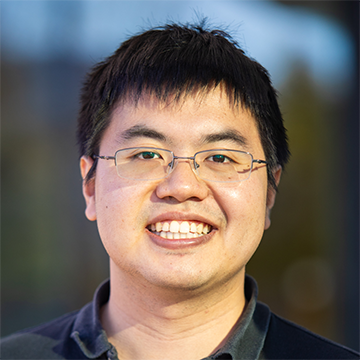
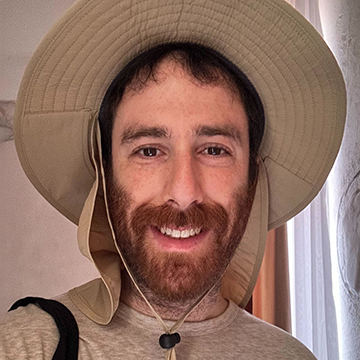


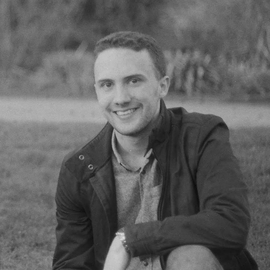


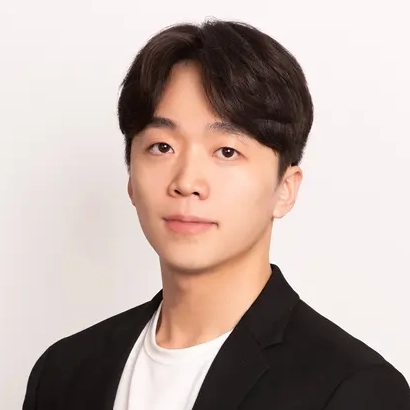


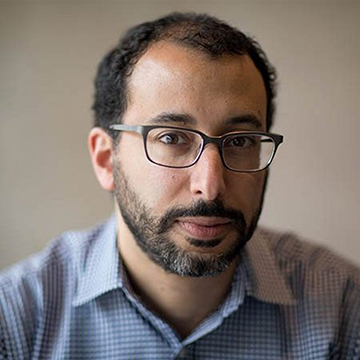
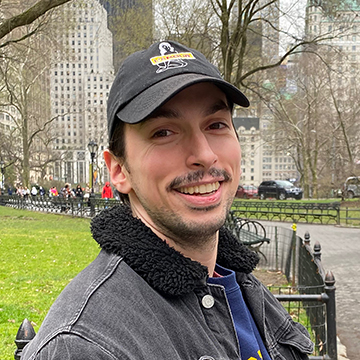


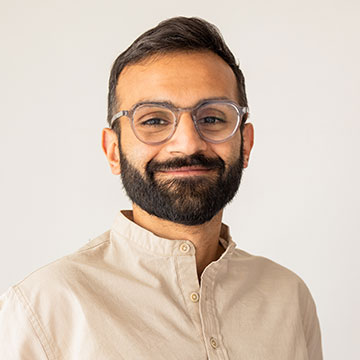


Organizing committee


Microsoft’s Event Code of Conduct
Microsoft’s mission is to empower every person and every organization on the planet to achieve more. This includes virtual events Microsoft hosts and participates in, where we seek to create a respectful, friendly, and inclusive experience for all participants. As such, we do not tolerate harassing or disrespectful behavior, messages, images, or interactions by any event participant, in any form, at any aspect of the program including business and social activities, regardless of location. We do not tolerate any behavior that is degrading to any gender, race, sexual orientation or disability, or any behavior that would violate Microsoft’s Anti-Harassment and Anti-Discrimination Policy, Equal Employment Opportunity Policy, or Standards of Business Conduct. In short, the entire experience must meet our culture standards. We encourage everyone to assist in creating a welcoming and safe environment. Please report (opens in new tab) any concerns, harassing behavior, or suspicious or disruptive activity. Microsoft reserves the right to ask attendees to leave at any time at its sole discretion.