Threat actors
Microsoft actively discovers and tracks threat actors across observed state-sponsored, ransomware, and criminal activities. Get insights from the 60 nation-state actors, 50 ransomware groups, and hundreds of other attackers weโve tracked.
Refine results
Topic
Products and services
Publish date
-
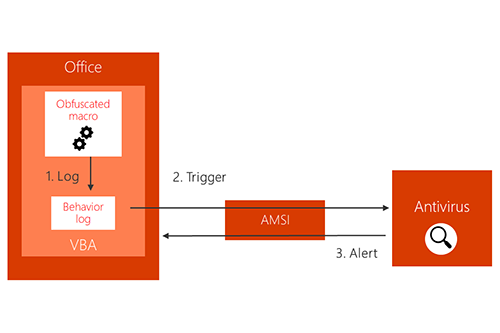
As part of our continued efforts to tackle entire classes of threats, Office 365 client applications now integrate with Antimalware Scan Interface (AMSI), enabling antivirus and other security solutions to scan macros and other scripts at runtime to check for malicious behavior. -
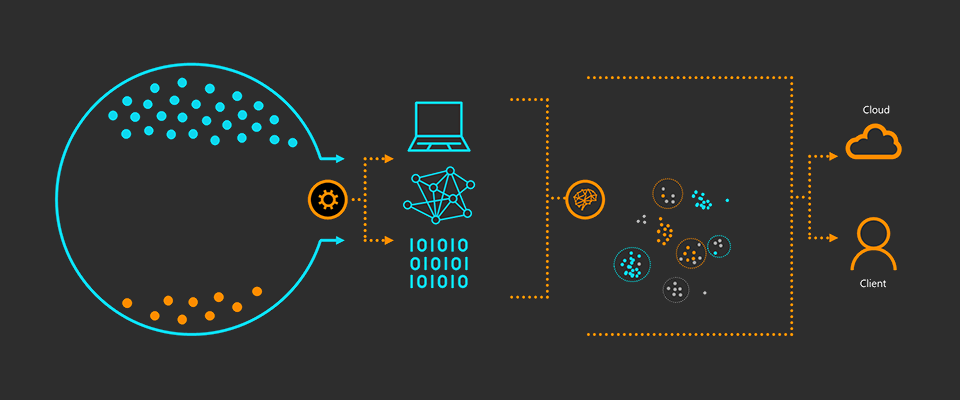
Protecting the protector: Hardening machine learning defenses against adversarial attacks
Harnessing the power of machine learning and artificial intelligence has enabled Windows Defender Advanced Threat Protection (Windows Defender ATP) next-generation protection to stop new malware attacks before they can get started – often within milliseconds. -
How artificial intelligence stopped an Emotet outbreak
At 12:46 a.m. local time on February 3, a Windows 7 Pro customer in North Carolina became the first would-be victim of a new malware attack campaign for Trojan:Win32/Emotet. -
Introducing Windows Defender Application Control
Application control is a crucial line of defense for protecting enterprises given today’s threat landscape, and it has an inherent advantage over traditional antivirus solutions. -
The two-pronged approach to detecting persistent adversaries
Advanced Persistent Threats use two primary methods of persistence: compromised endpoints and compromised credentials. -
Microsoft Security Intelligence Report: Strontium
The Microsoft Security Intelligence Report (SIR) provides a regular snapshot of the current threat landscape, using data from more than 600 million computers worldwide. -
Cleaning up misleading advertisements
Microsoft is committed to protecting our customers and their Windows experience. -
Linus’s Law aka “Many Eyes Make All Bugs Shallow”
How many of you have heard “many eyes make all bugs shallow”? My guess is that many of you have and that it may have been in conjunction with an argument supporting why Linux and Open Source products have better security.