

Realize value faster and build a future-ready business with secure, AI-powered solutions by Microsoft.



Overview
Create value faster, prepare for the future, and empower your workforce with industry-relevant capabilities.

Unlock the value of the Microsoft Cloud faster with industry-specific solutions.

Enhance your business with a trusted cloud ecosystem tailored to your industry.

Transform the employee experience and help your workforce to achieve more.

Discover solutions by industry

Consumer goods
Drive growth and build customer loyalty by connecting your brands, employees, and consumers.

Education
Make learning equitable for all with tools and technology for students, faculty, and staff.

Energy and resources
Deliver safe, reliable, and clean energy with technology that helps you power a more sustainable future.

Financial services
Deepen customer relationships in the era of AI with solutions for:
Banking
Insurance
Capital Markets

Government
Empowering governments with technology for:
Government operations and infrastructure.
Public finance
Public health and social services
Public safety and justice
Defense and intelligence
US Federal

Healthcare
Provide better experiences and care with solutions for:
Providers
Payors
Life sciences organizations

Manufacturing
Build intelligent factories, modern customer experiences, and resilient supply chains.

Mobility
Transform to smart mobility with solutions for automotive, travel, transportation, and logistics companies.

Media and entertainment
Reimagine content creation and distribution and deliver immersive experiences that deepen audience engagement.

Nonprofit
Accelerate mission outcomes with relevant, affordable, and secure cloud solutions.

Retail
Maximize the value of your data by using it to elevate the shopping experience and empower associates.

Sustainability
Accelerate your sustainability journey by recording, reporting, and reducing your environmental impact.

Telecommunications
Take your organization from telco to tech-co by accelerating your network transformation.
CUSTOMER STORIES












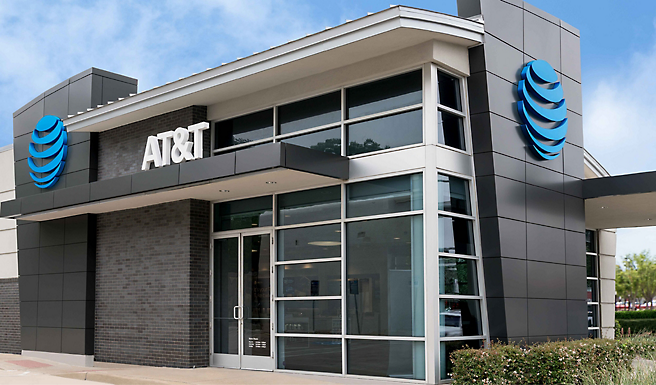





The Microsoft Cloud
Help your organization reach its full potential by relying on an integrated, open cloud platform and industry-leading products and solutions.
Follow us