


Microsoft Research Cambridge
Future AI Infrastructure
Innovative hardware and systems for sustainable and efficient AI infrastructure
Our mission in Future AI Infrastructure is to co-design the next generation of hardware and systems for Microsoft’s AI and Cloud datacenters—spanning storage, networking and compute, and other foundational technologies for our AI stack. We work across multiple disciplines including computer science, physics, materials science, machine learning, engineering, electronics, and robotics to ideate and incubate full-stack innovations. We collaborate closely with academic colleagues and, through strong ties to product teams and industry partners, ensure we pursue keystone research problems that are deeply aligned with the needs of the company, the industry, and society.
Our workstreams
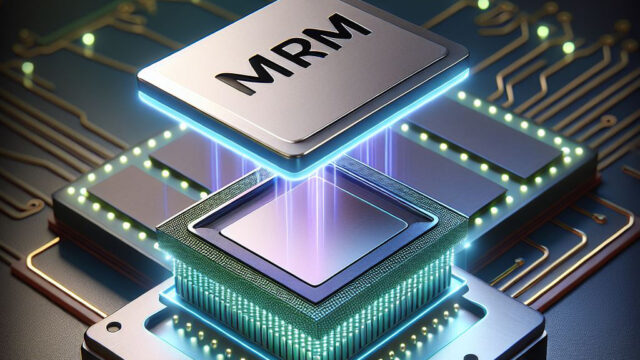
Networking: together with Azure Core and Azure Hardware, we are developing innovative optical transceiver and switching technologies of the future, not just improving cost-effectiveness but also opening new opportunities for fundamentally reimagined AI infrastructure – from accelerators and memory subsystems to rack and datacenter designs.
Green technology: we are developing scalable, low-cost sensors and AI-powered systems to enhance greenhouse gas monitoring accuracy and drive actionable climate solutions worldwide.
Computing: we are building the world’s first unconventional computing system capable of accelerating real-world AI inference and optimization workloads using analog computing, which has the promise of being far more energy efficient, and fast for these important problem type.
Storage, memory and materials: we aim to discover and create innovative materials to increase performance per $ and enhance sustainability of our Cloud infrastructure. For example, we can use AI to evaluate new materials for data storage. We are also actively pursuing new avenues in memory technologies.
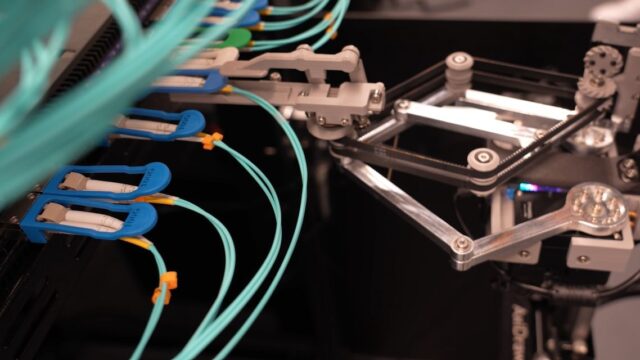
Robotics: we are developing cutting-edge robotics to transform datacenter operations, starting with repair tasks in the networking infrastructure. Our long-term vision is to enable self-maintaining datacenters—from initial rack assembly and deployment to ongoing maintenance, repairs, decommissioning, and reconfiguration—aiming to reduce downtime, enhance reliability, and support the growing demand for scalable, sustainable cloud infrastructure.