


Data platforms and analytics


Video
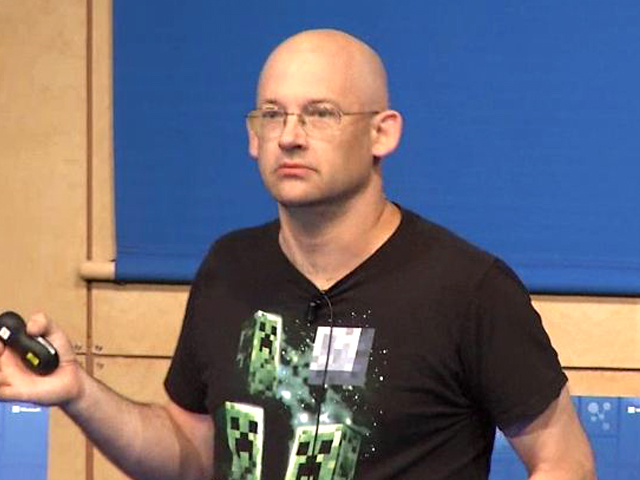
Making Data Useful: User-centric Approaches to Data
We are swimming in data. Every minute, YouTube sees two days’ worth of video uploaded, Tumblr sees about 25,000 blog posts, and there are 2,000 check-ins to Foursquare. Yet most uses of data—big or small,…
Video
Data in Disasters—the Potential and the Limits
There has been a rapid expansion in the ability to gather and analyze communication data during acute events. As we saw most recently during Hurricane Sandy, people use social media services like Twitter and Facebook…

Video
Research in Focus: Designing a Better Tomorrow
We live in a world that is increasingly alive with sensors and data. The Design Expo at the Faculty Summit challenges teams of students to use this data to improve life, local community, and the…

Video
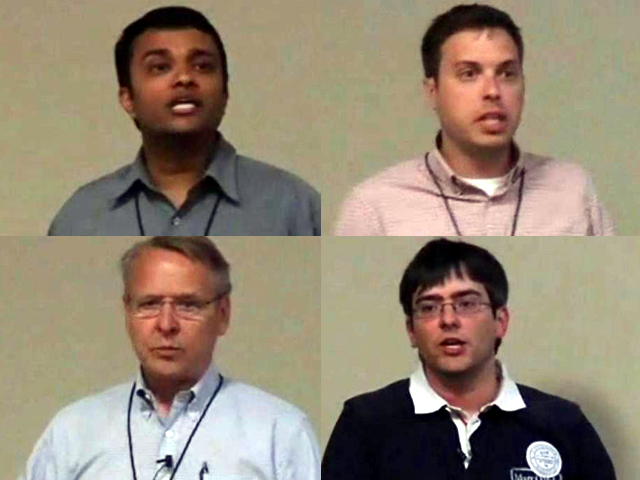
Database Systems Exploiting New Hardware Platforms
Main memory databases have become increasingly important as a way to provide high-performance OLTP (on-line transaction processing) capability. By restricting data to by main memory resident, rather than storing disk resident data entirely in the…
Video
Hosting Blazing Fast Services: From 1 Core to 1M Cores
Microsoft builds and operates best-in-class data centers that contain 2,500 to more than 100,000 servers (per data center), which are connected by using cutting-edge networks within and across data centers. To meet the performance, cost,…

Video
Big Data Platforms
“Big Data” holds the promise of having a transformative effect for enterprises and consumers alike. In this session of the 2013 Microsoft Research Faculty Summit, leaders of our community discuss how data platforms must evolve…

Video
Research in Focus: Social Media in Times of Crisis
Beyond keeping friends and family in touch or spreading the latest memes, social media has the ability to provide life-saving information during disasters and other crises. Leysia Palen of the University of Colorado, Boulder, discusses…

Microsoft Research Blog
Touch to Feel the Virtual World
Haptic technology, which simulates the sense of touch through tactile feedback mechanisms, has been described as “doing for the sense of touch what computer graphics does for vision.” Haptics are already common in devices such…