Advancing biomedical discovery: Overcoming data challenges in precision medicine
Our recent study in Nature Scientific Reports identified key challenges in the biomedical data lifecycle and offered 7 actionable recommendations.
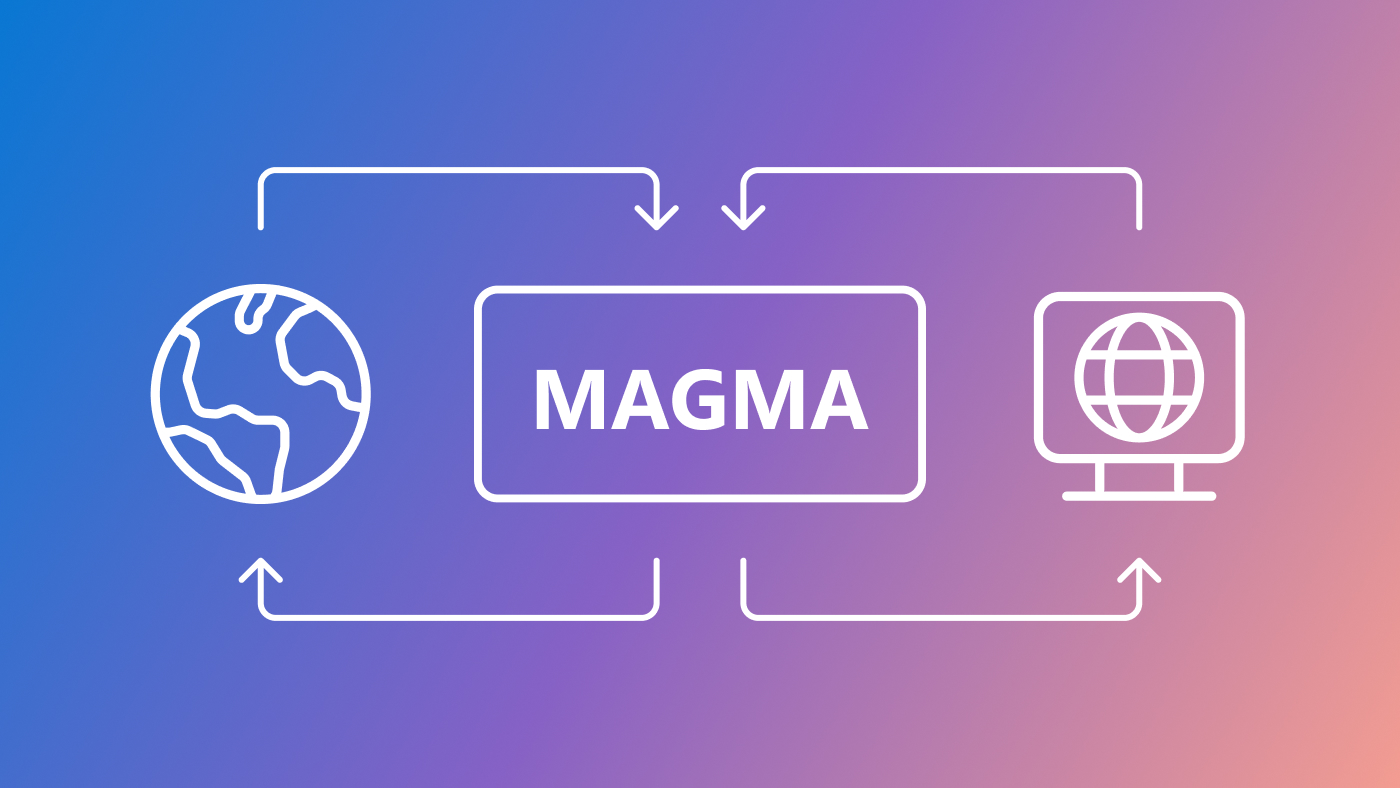
Explore Magma, a foundation model that can empower AI assistants to interpret environments, plan actions, and execute tasks across digital and physical spaces. Now available, learn how it advances the field of agentic AI.
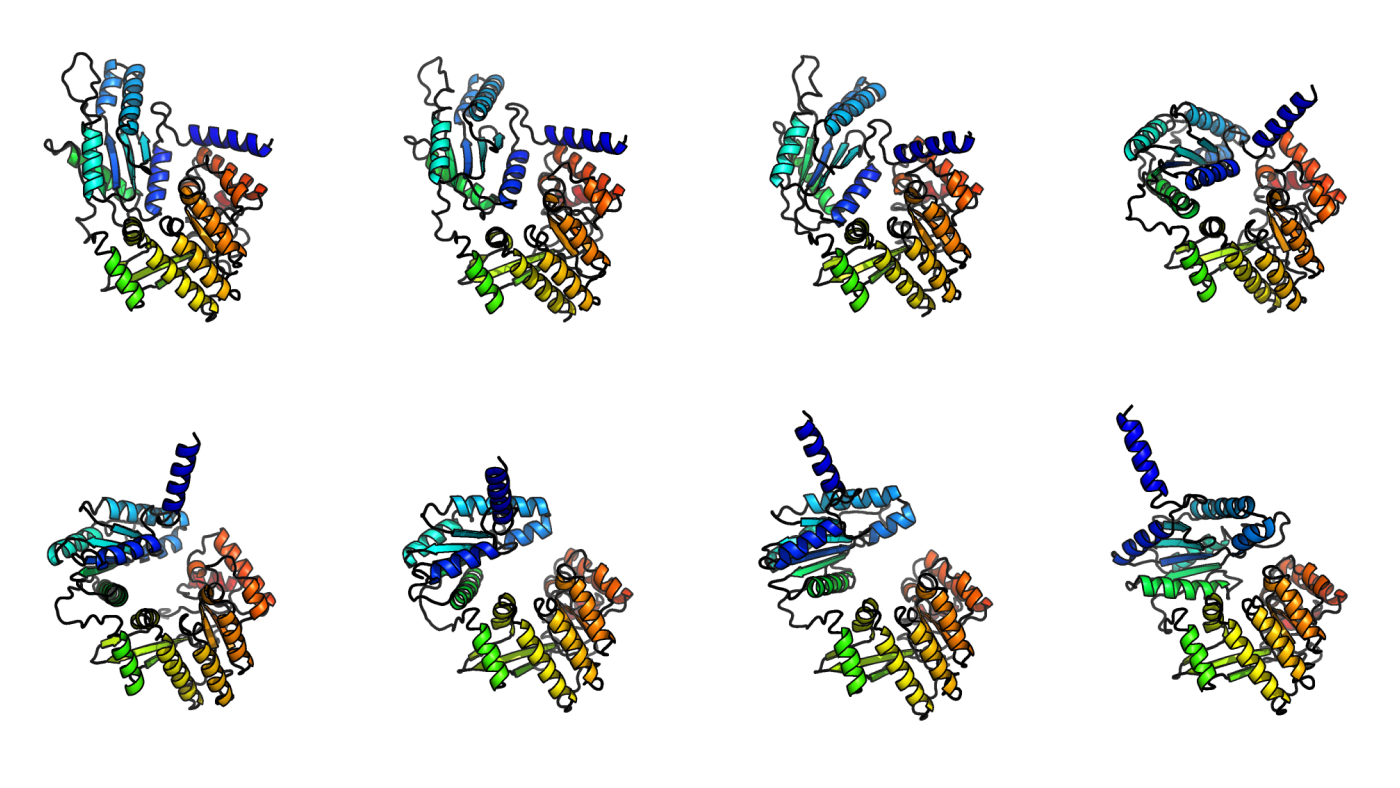
Meet BioEmu-1 from Microsoft Research. This deep learning model can generate thousands of protein structures per hour, unlocking new possibilities for protein scientists and drug discovery and research.
Today Nature published Microsoft’s research detailing our WHAM, an AI model that generates video game visuals & controller actions. We are releasing the model weights, sample data, & WHAM Demonstrator on Azure AI Foundry, enabling researchers to build on the work.
Limited resources, geography, and economic factors present barriers to quality education for many students in India. Learn how Microsoft Research is collaborating with Physics Wallah to make AI-based tutoring more accurate, reliable, and affordable.
ExACT combines Reflective-MCTS and Exploratory Learning to improve AI agents' decision-making, enabling test-time compute scaling. Learn how these methods help agents refine strategies for state-of-the-art performance and improved computational efficiency.
Advances in low-bit quantization techniques enable efficient operation of LLMs on resource-constrained edge devices. Discover how innovations like T-MAC, Ladder, and LUT Tensor Core improve computational efficiency and enhance hardware compatibility.
In this issue: A new approach to multimodal pretraining for remote sensing; Managed-retention memory for the AI era; Improving detection of macular telangiectasia type 2; Generalizing symbolic automata.
In this edition: Privacy enhancements for multiparty deep learning; using smaller, open-source models to provide relevance judgments; new tool uses AI, data to automate innovation and development; Yasuyuki Matsushita named IEEE 2025 Computer Society Fellow.
Microsoft researchers introduce MatterGen, a model that can discover new materials tailored to specific needs—like efficient solar cells or CO2 recycling—advancing progress beyond trial-and-error experiments.
Announcing AutoGen 0.4, fully reimagined library for building advanced agentic AI systems, developed to improve code quality and robustness. Its asynchronous, event-driven architecture is designed to support dynamic, scalable workflows.
AIOpsLab is an open-source framework designed to evaluate and improve AI agents for cloud operations, offering standardized, scalable benchmarks for real-world testing, enhancing cloud system reliability.
Meet our community of researchers, learn about exciting research topics, and grow your network
Ongoing conversations at the cutting edge of research
Join us for a continuous exchange of ideas about research in the era of general AI