Human-computer interaction
Redefining human experiences through innovations in research, design, and technology.


Video
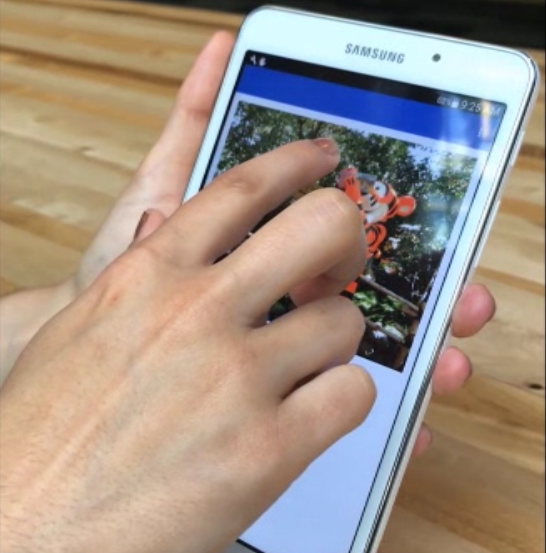
Rich Representations of Visual Content for Screen Reader Users
Video Figure for CHI 2018 paper on Rich Representations of Visual Content for Screen Reader Users
Video
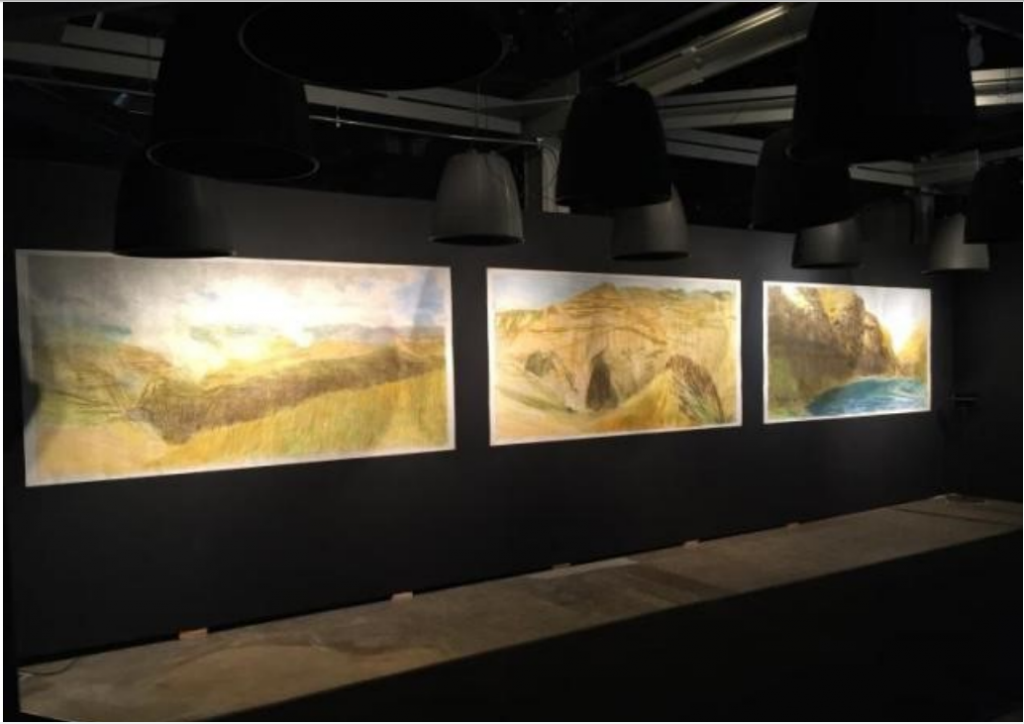
Eyes-Free Art: Exploring Proxemic Audio Interfaces for Blind and Low Vision Art Engagement
Engagement in the arts is an important component of participation in cultural activities, but remains a largely unaddressed challenge for people with sensory disabilities. Visual arts are generally inaccessible to people with visual impairments due…
Video
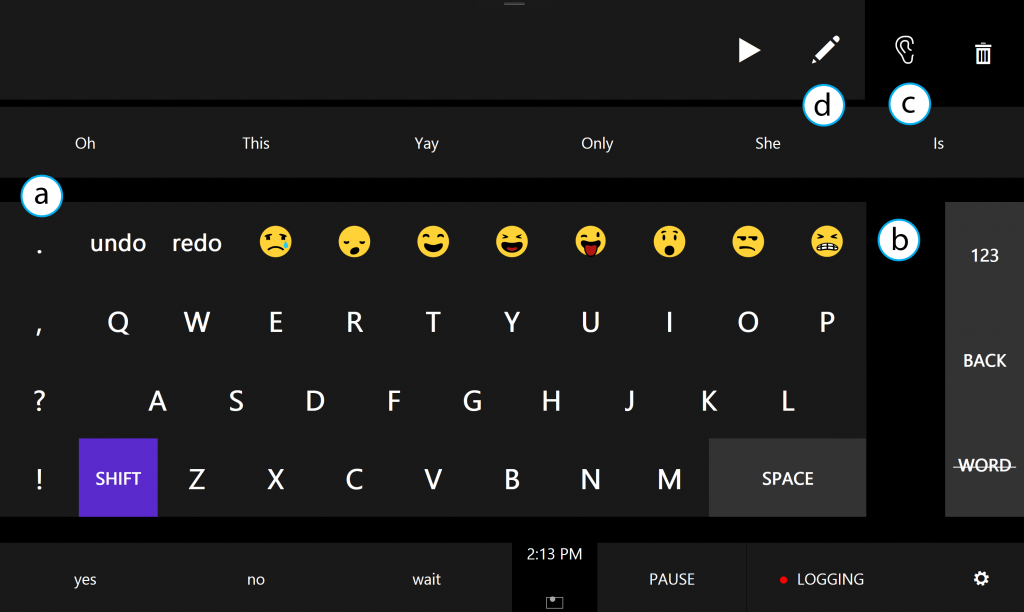
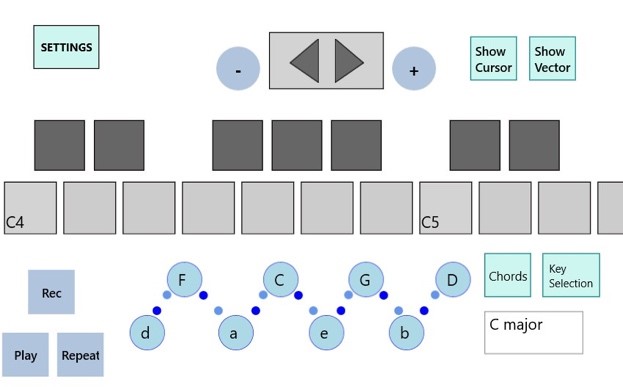
Dueto: Accessible, Gaze-Operated Musical Expression
Gaze-tracking technologies can enable computer access for users who are unable to use standard input devices. However, using gaze as input poses challenges for interactions that require visual planning, like playing a digital instrument. We…
Video
Accessibility – How Microsoft is making technology accessible to more people
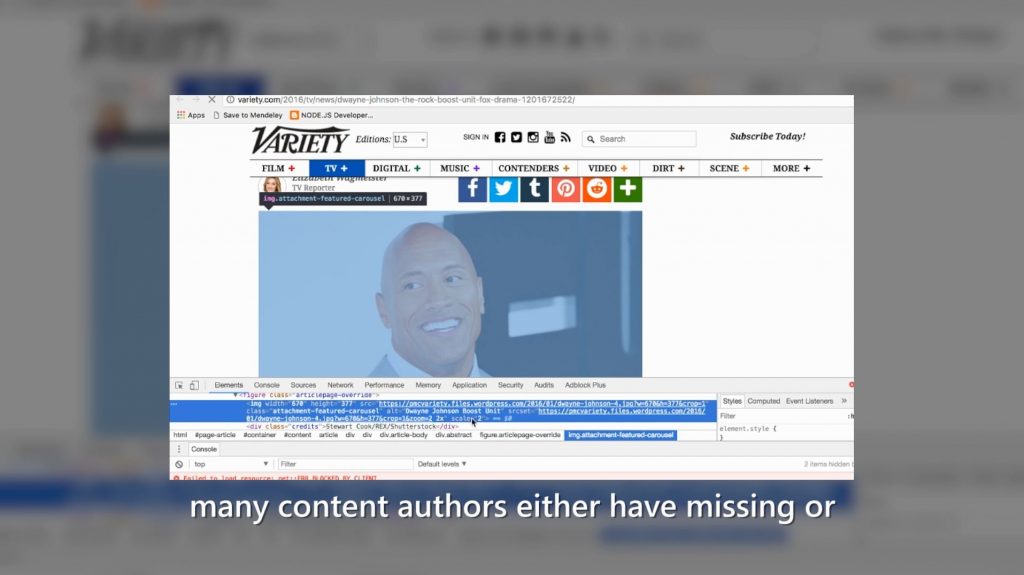
Researcher Meredith Ringel Morris discusses three projects highlighted at CHI 2018 which focus on improving technology for people with low-vision or blindness. Topics include featured paper Caption Crawler, Rich representations of visual content for screen…
Project
Accessible Information Retrieval
Web search is an important modern literacy skill, necessary for fully participating in many aspects of society including education, employment, commerce, and entertainment. However, web search is particularly challenging for people with print disabilities, such…
Video
VERSE: Bridging Screen Readers and Voice Assistants for Enhanced Eyes-Free Web Search
Video figure for ASSETS 2019 VERSE article.
Video
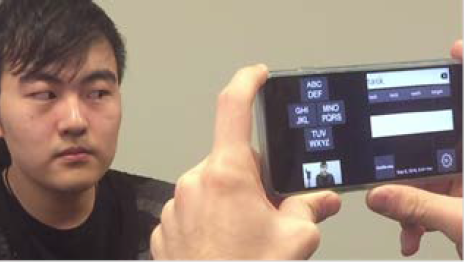
Smartphone-Based Gaze Gesture Communication for People with Motor Disabilities
Current eye-tracking input systems for people with ALS or other motor impairments are expensive, not robust under sunlight, and require frequent re-calibration and substantial, relatively immobile setups. Eye-gaze transfer (e-tran) boards, a low-tech alternative, are…
Project
AI Fairness and Disability
This project examines issues around AI FATE (Fairness, Accountability, Transparency, and Ethics) and Responsible AI, with a particular focus on how AI systems impact people with disabilities. This includes ensuring that mainstream AI tools are…
Project
Augmentative and Alternative Communication
ALS (amyotrophic lateral sclerosis) is a degenerative neuromuscular disease; people with late-stage ALS typically retain cognitive function, but lose the motor ability to speak, relying on gaze-controlled AAC (augmentative and alternative communication) devices for interpersonal…
Video
Voicesetting: Voice Authoring UIs for Improved Expressivity in Augmentative Communication
Video figure for CHI 2018 paper