Human-computer interaction
Redefining human experiences through innovations in research, design, and technology.



Publication
Managing Messes in Computational Notebooks
Microsoft Research Blog
Toward Emotionally Intelligent Artificial Intelligence
Recent successes in machine intelligence hinge on core computation ability to efficiently search through billions of possibilities in order to make decisions. Sequences of decisions, if successful, often suggest that perhaps computation is catching up…
Video
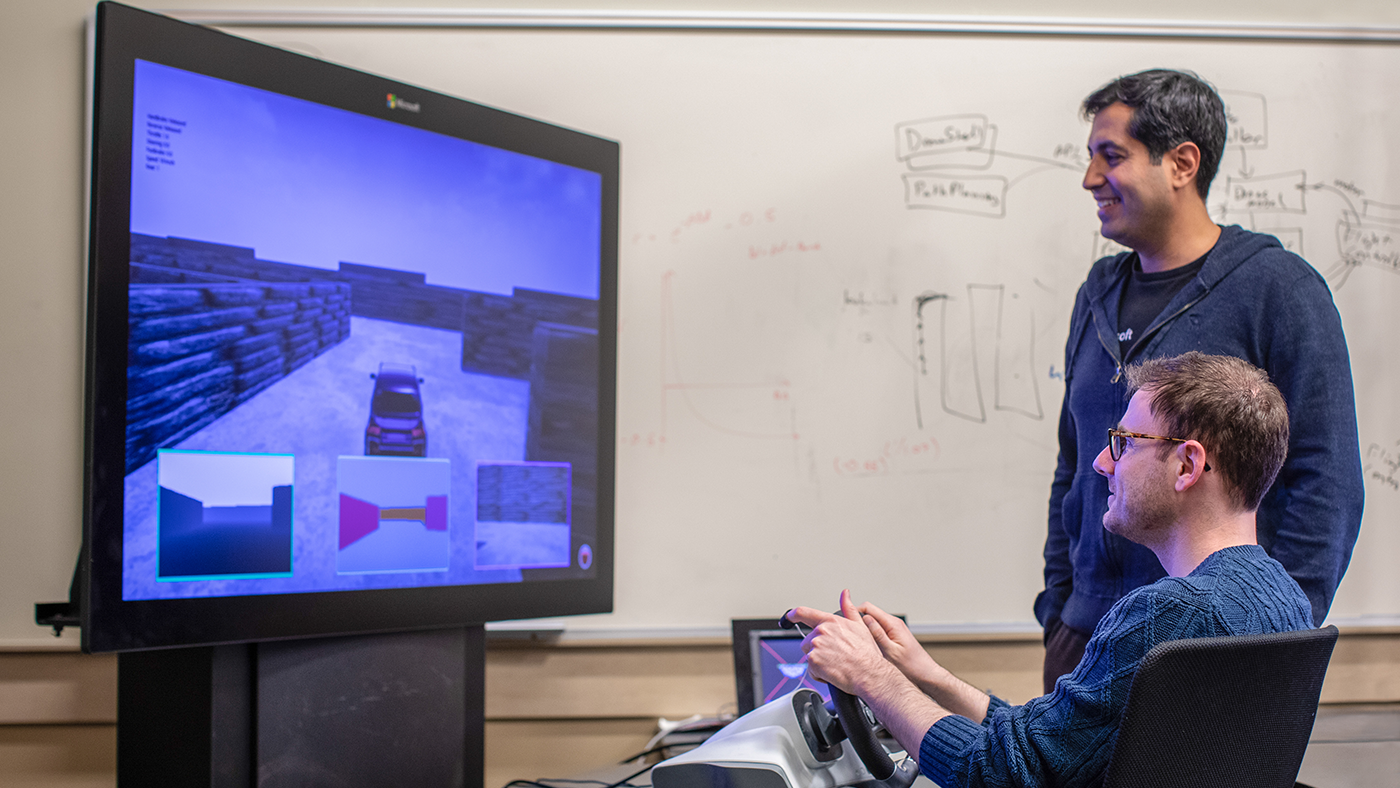
An Optimization-Based Theory of Mind for Human-Robot Interaction
Generating robot action for interaction with people is not scalable without learning, but learning from scratch has too high sample complexity. Inductive bias becomes critical, but what is the right inductive bias when it comes…
Microsoft Research Blog
Advancing accessibility on the web, in virtual reality, and in the classroom
At the ACM CHI Conference on Human Factors in Computing Systems conference in Glasgow, Scotland this May, researchers from Microsoft’s Redmond and UK labs, together with our university collaborators, will be presenting several papers and…

Microsoft Research Blog
Prototype tablet tricked out with sensors just proves Mom was always right: Posture is important!
The mobility of tablets affords interaction from a wide diversity of postures: Hunched over a desk with brow furrowed in concentration. On the go with the tablet gripped in one hand, while operating it with…
Video
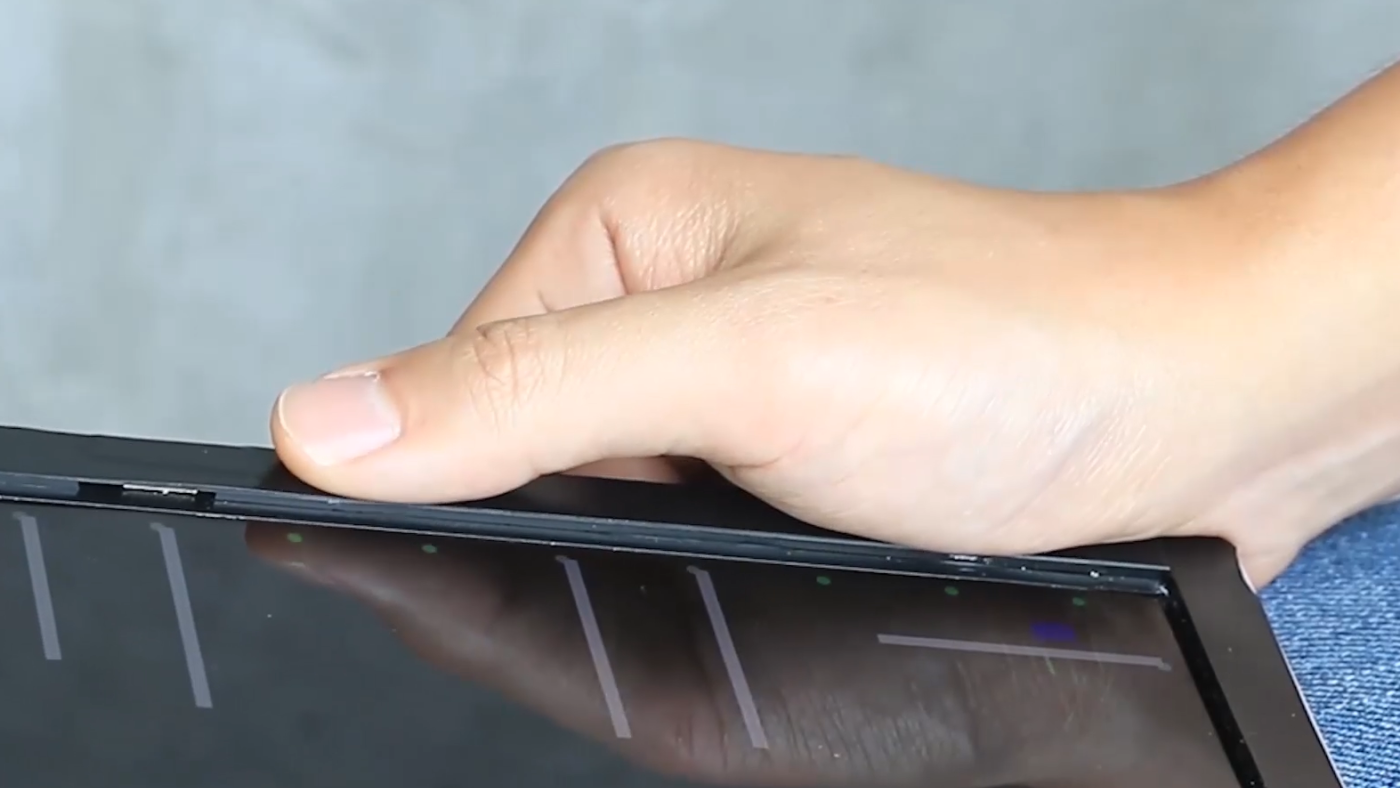
Sensing Posture-Aware Pen+Touch Interaction on Tablets
Many status-quo interfaces for tablets with pen + touch input capabilities force users to reach for device-centric UI widgets at fixed locations, rather than sensing and adapting to the user-centric posture. To address this problem,…

Microsoft Research Blog
Making ‘micromoments’ work for you
Imagine you’ve been asked to write a crucial document for your company, perhaps a detailed outline of its long-term strategy. You’re excited, but don’t know when you’ll find the time to write it. As you…