
Towards a Unified Bayesian Model for Cyber Security
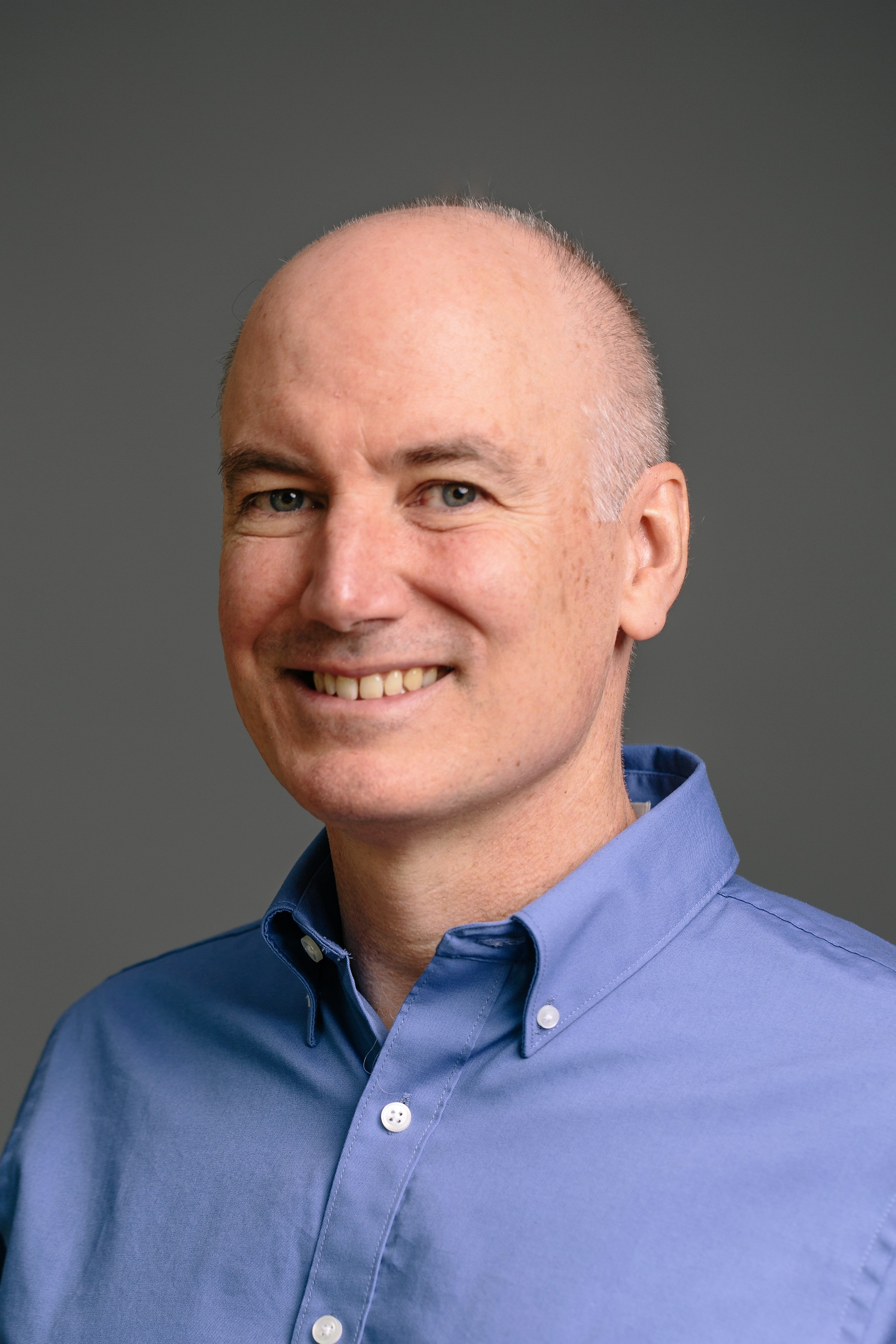
- Mark Briers | The Alan Turing Institute
With the realisation that Cyber attacks present a significant risk to an organisation’s reputation, efficiency, and profitability, there has been an increase in the instrumentation of networks; from collecting netflow data at routers, to host-based agents collecting detailed process information. To spot the potential threats within a Cyber environment, a large community of researchers have produced many exciting innovations, aligned with such data. Much of this research has been focused around “data driven” techniques, and does not often fuse data from multiple sources. Moreover, incorporation of threat actors’ behaviours and motivations (as specified by Cyber security experts) is often non-existent. In this talk, I will present an initial unified Bayesian model for Cyber security, which allows explicit incorporation of expert knowledge, and provides a natural probabilistic framework for the fusion of multiple data sources.
Speaker Details
Series: Microsoft Research Talks
-

Decoding the Human Brain – A Neurosurgeon’s Experience
- Dr. Pascal O. Zinn
-
-
-
-
-
-

Challenges in Evolving a Successful Database Product (SQL Server) to a Cloud Service (SQL Azure)
- Hanuma Kodavalla,
- Phil Bernstein
-

Improving text prediction accuracy using neurophysiology
- Sophia Mehdizadeh
-

Tongue-Gesture Recognition in Head-Mounted Displays
- Tan Gemicioglu
-

DIABLo: a Deep Individual-Agnostic Binaural Localizer
- Shoken Kaneko
-
-
-
-

Audio-based Toxic Language Detection
- Midia Yousefi
-
-
From SqueezeNet to SqueezeBERT: Developing Efficient Deep Neural Networks
- Forrest Iandola,
- Sujeeth Bharadwaj
-

Hope Speech and Help Speech: Surfacing Positivity Amidst Hate
- Ashique Khudabukhsh
-
-
-

Towards Mainstream Brain-Computer Interfaces (BCIs)
- Brendan Allison
-
-
-
-
Learning Structured Models for Safe Robot Control
- Subramanian Ramamoorthy
-


