Microsoft Research Blog

Getting a better visual: RepPoints detect objects with greater accuracy through flexible and adaptive object modeling 

October 22, 2019 | Han Hu and Steve Lin
Visual understanding tasks are typically centered on objects, such as human pose tracking in Microsoft Kinect and obstacle avoidance in autonomous driving. In the deep learning era, these tasks follow a paradigm where bounding boxes are localized in an image, features are extracted within the…

Recent Posts

  1. Mixed reality scene

    A new era of spatial computing bringsĀ freshĀ challenges—and solutions—to VR 

    October 21, 2019

    Virtual realityĀ (VR)Ā hasĀ continuallyĀ pushedĀ the boundaries of how we perceive, fromĀ itsĀ earlyĀ daysĀ ofĀ Ivan Sutherland’sĀ Sword of DamoclesĀ toĀ today. With the technologyĀ emergingĀ fromĀ its early stages of bulky equipment tethered to one place out of necessity, researchers now are working with increased possibilities derived fromĀ hardware andĀ new input sensors.Ā The result isĀ aĀ uniqueĀ set of challengesĀ requiringĀ innovative approaches toĀ answeringĀ some of…

  2. Microsoft researchers Nikolaj BjĆørner (left) and Leonardo de Moura (center) received the 2019 Herbrand Award for Distinguished Contributions to Automated Reasoning in recognition of their work in advancing theorem proving. They’re pictured with Jürgen Giesl (right) of the award committee.

    The inner magic behind the Z3 theorem prover 

    October 16, 2019 | Nikolaj BjĆørner and Leonardo de Moura

    It’s not uncommon for us to hear that the Z3 theorem prover is magical, but the frequency of such complimentary feedback doesn’t make it any less unexpected—or humbling. When we began work on Z3 in 2006, the design was motivated by two emerging use cases:…

  3. Anna Krystalli from the University of Sheffield (fourth from right) won best poster at the fourth Conference of Research Software Engineering with her poster on pkgreviewr for helping automate the rOpenSci review process for open reproducible research and data access. Microsoft sponsored the first prize for the competition, and pictured with Krystalli is a group from the company (from left): Pashmina Cameron, Kenji Takeda, Camilla Longden, Raluca Georgescu, Matthew Johnson, Tania Allard, and Bhavin Bhagalia.

    Inclusive environments empower big dreams 

    October 1, 2019 | Pashmina Cameron

    Don’t limit yourself. If someone else can do it, you can do it, too. Don’t get comfortable. If doing well is easy, it’s time to challenge yourself. Over the years, these two principles have guided Columbia University PhD student Adji Dieng (opens in new tab)…

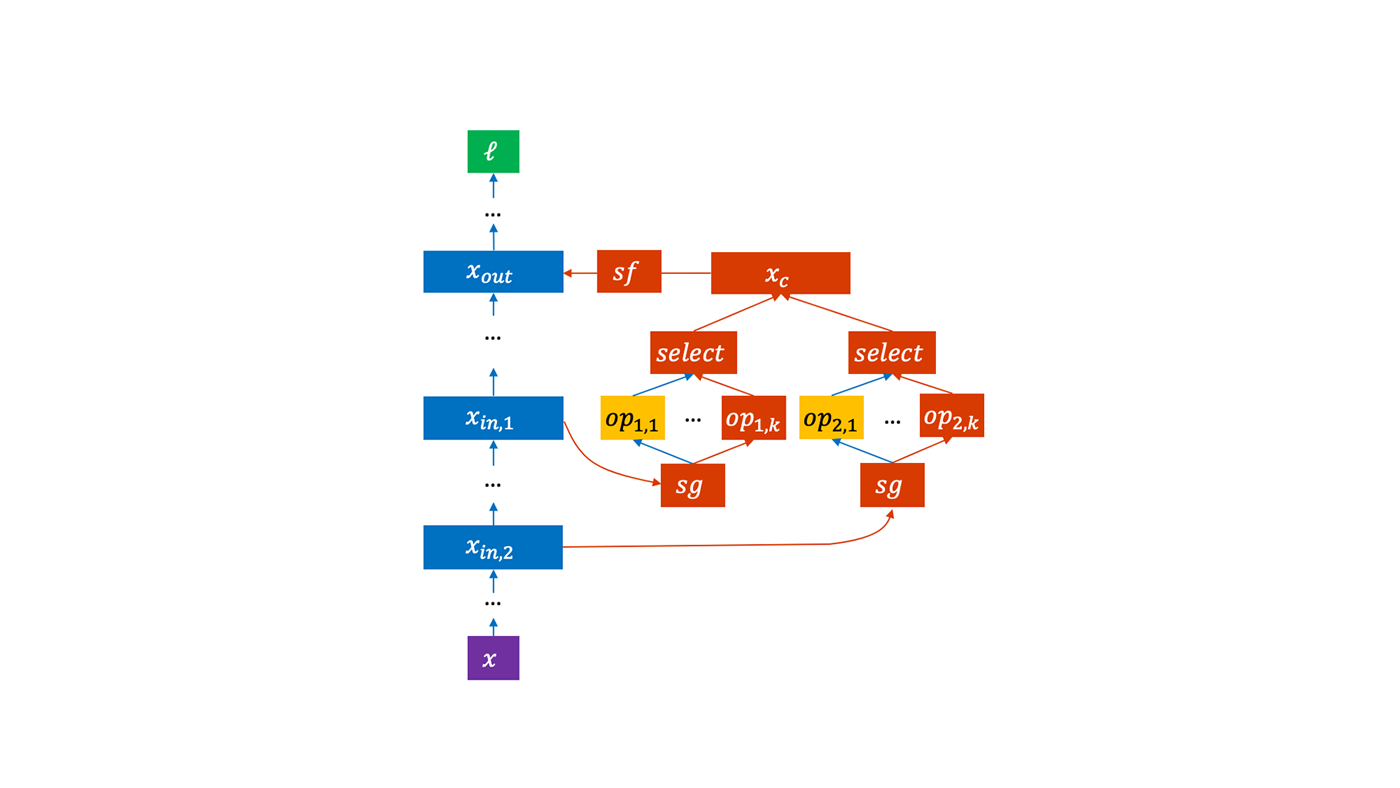
  4. Efficient inference for dynamical models using variational autoencoders 

    September 23, 2019 | Neil Dalchau

    Dynamical systems theory provides a mathematical framework for studying how complex systems evolve over time, such as the neurons in our brains, the global climate system, or engineered cells. But predicting how these systems will behave in the future or how they might respond to…

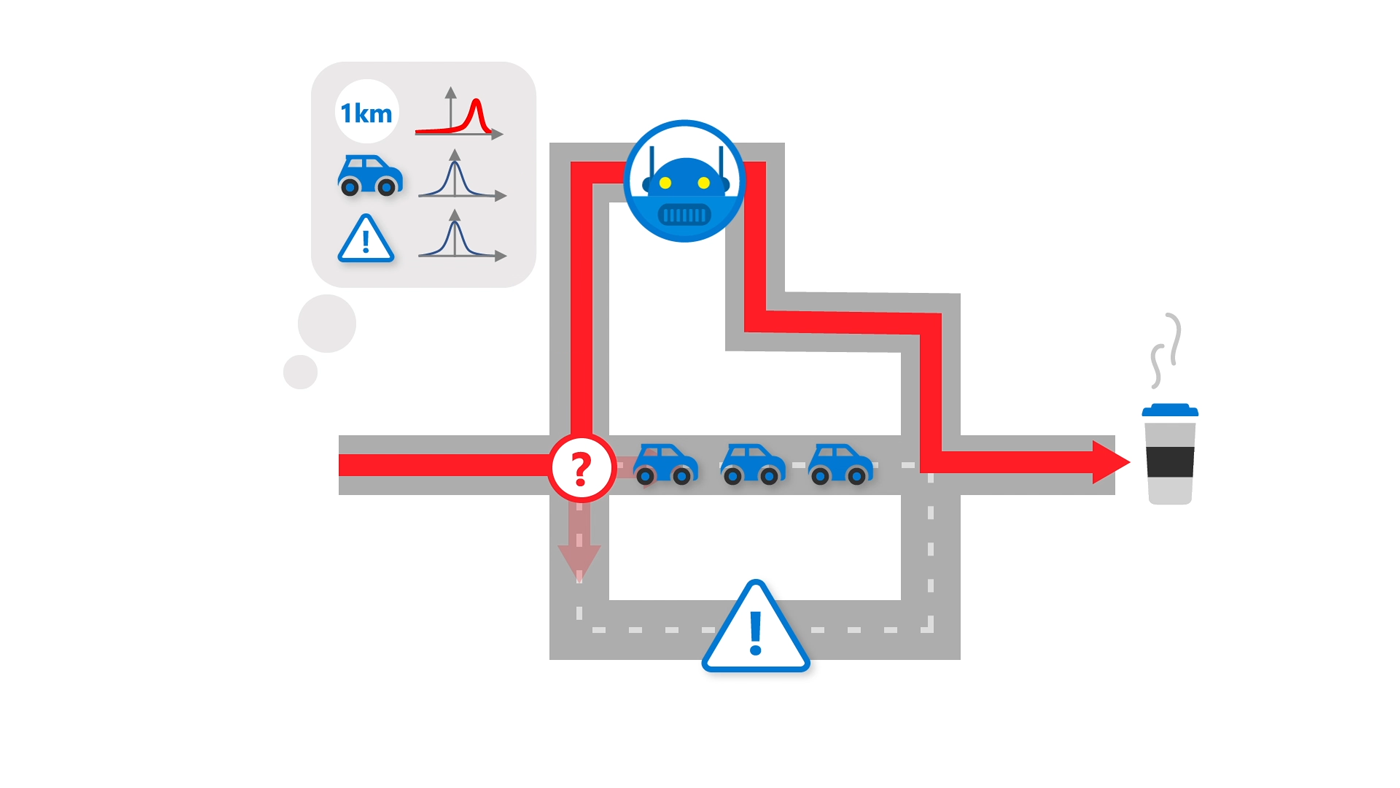
  5. Helping first responders achieve more with autonomous systems and AirSim 

    September 16, 2019 | Ashish Kapoor

    With inputs from: Elizabeth Bondi (Harvard University), Bob DeBortoli (Oregon State University), Balinder Malhi (Microsoft) and Jim Piavis (Microsoft) Autonomous systems have the potential to improve safety for people in dangerous jobs, particularly first responders. However, deploying these systems is a difficult task that requires…

  6. a group of people sitting at a table using a laptop computer

    Bring your phones to the conference table: creating ad hoc microphone arrays from personal devices 

    September 13, 2019 | Takuya Yoshioka, Dimitrios Dimitriadis, Andreas Stolcke, and William Hinthorn

    Recent advances in machine learning and signal processing, as well as the availability of massive computing power, have resulted in dramatic and steady improvement in speech recognition accuracy. Voice interfaces to digital devices have become more and more common. Lectures and online conversations can be…

  7. a view of a snow covered mountain

    Project Everest: Advancing the science of program proof 

    September 5, 2019 | Nikhil Swamy

    Project Everest is a multiyear collaborative effort focused on building a verified, secure communications stack designed to improve the security of HTTPS, a key internet safeguard. This post—about the proving methodology and verification tools of Project Everest—is the third in a series exploring the groundbreaking…

  8. a screen shot of a computer

    Rocket-fast embedded TypeScript for MakeCode Arcade 

    September 3, 2019 | Michal Moskal

    When we began developing Microsoft MakeCode, a computing education platform, it was all about making programming easier, more engaging, and just plain friendlier. After all, if we were going to inspire the next generation of coders, easier entry into the world of computer science would…

Explore More

  • Events & conferences

    Events & conferences 

    Meet our community of researchers, learn about exciting research topics, and grow your network

  • Podcasts

    Podcasts 

    Ongoing conversations at the cutting edge of research

  • Microsoft Research Forum

    Microsoft Research Forum 

    Join us for a continuous exchange of ideas about research in the era of general AI