Hardware & devices
Driving advances in hardware, devices and cyber-physical systems.


Video
Ultra-dense data storage and extreme parallelism with electronic-molecular systems
Sustaining growth in storage and computational needs is increasingly challenging. For over a decade, exponentially more information has been produced year after year while data storage solutions are pressed to keep up. Soon, current solutions…
Webinar
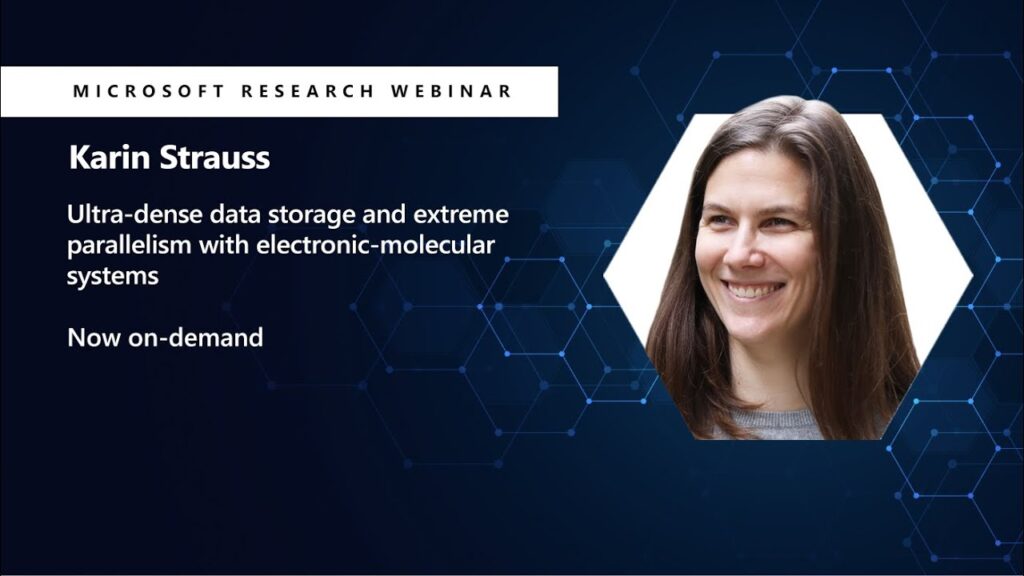
Ultra-dense data storage and extreme parallelism with electronic-molecular systems webinar
In this webinar, join Microsoft researcher Karin Strauss in exploring the role of biotechnology and synthetic DNA in reaching this goal. Although we have yet to achieve scalable, general-purpose molecular computation, there are areas of…

Project
Energy harvesting and wireless power transfer
The continuing growth of connected devices, many of which are mobile and wireless, brings with it a practical challenge: how can we power these devices without placing the burden of recharging or replacing batteries onto…
Project
Physical Computing
Physical computing refers to the use of tangible, embedded microcontroller-based interactive systems that can sense the world around them and/or control outputs such as lights, displays and motors. Assembling the hardware elements of a physical…
Event
Microsoft HoloLens 2 and Azure Kinect DK as tools for computer vision research – Tutorial @ ECCV 2020
Microsoft HoloLens 2 and Kinect for Azure as tools for computer vision research – Tutorial @ ECCV 2020

Microsoft Research Blog
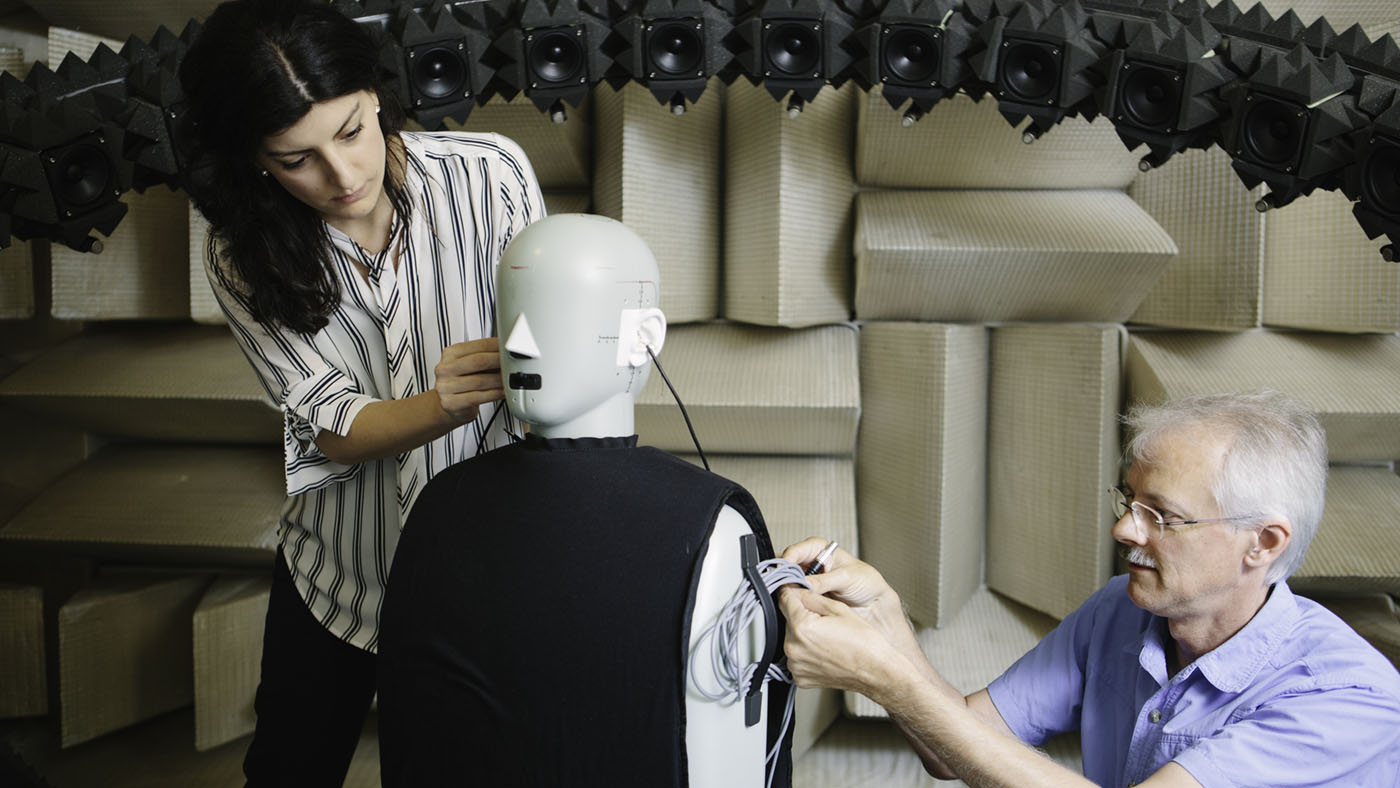
Research Collection: The Unseen History of Audio and Acoustics Research at Microsoft
Getting the sound right is a crucial ingredient in natural user interfaces, immersive gaming, realistic virtual and mixed reality, and ubiquitous computing.