Human-computer interaction
Redefining human experiences through innovations in research, design, and technology.


Video
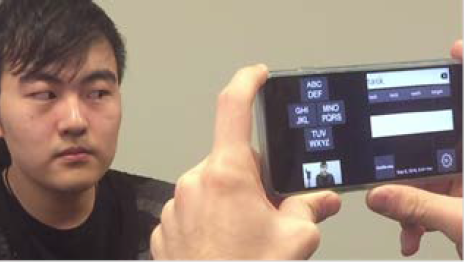
Smartphone-Based Gaze Gesture Communication for People with Motor Disabilities
Current eye-tracking input systems for people with ALS or other motor impairments are expensive, not robust under sunlight, and require frequent re-calibration and substantial, relatively immobile setups. Eye-gaze transfer (e-tran) boards, a low-tech alternative, are…
Project
AI Fairness and Disability
This project examines issues around AI FATE (Fairness, Accountability, Transparency, and Ethics) and Responsible AI, with a particular focus on how AI systems impact people with disabilities. This includes ensuring that mainstream AI tools are…
Project
Augmentative and Alternative Communication
ALS (amyotrophic lateral sclerosis) is a degenerative neuromuscular disease; people with late-stage ALS typically retain cognitive function, but lose the motor ability to speak, relying on gaze-controlled AAC (augmentative and alternative communication) devices for interpersonal…
Video
Voicesetting: Voice Authoring UIs for Improved Expressivity in Augmentative Communication
Video figure for CHI 2018 paper
Video
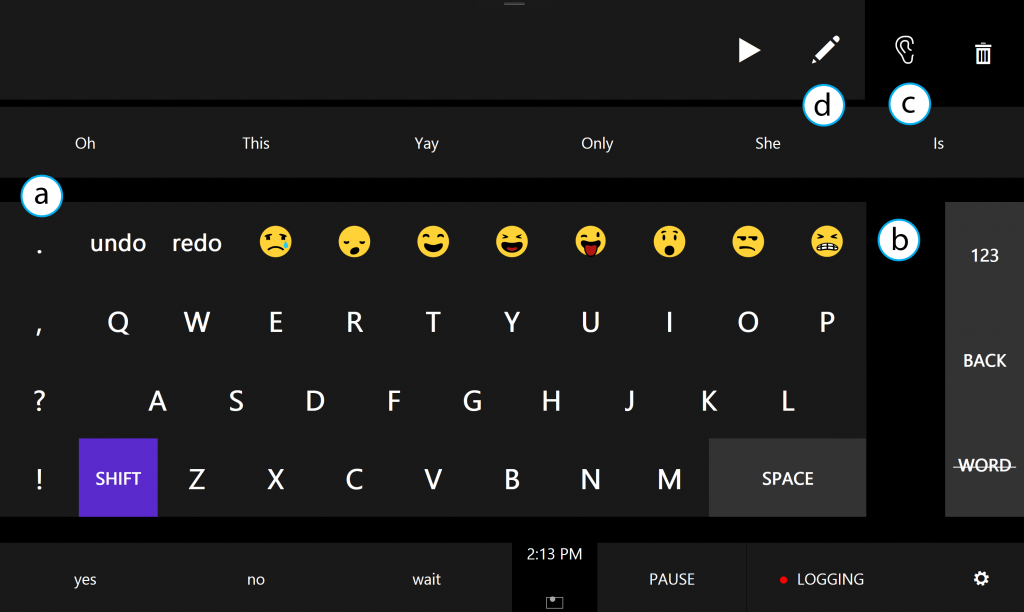
AACrobat: Using Mobile Devices to Lower Communication Barriers and Provide Autonomy with Gaze-Based AAC
Gaze-based alternative and augmentative communication (AAC) devices provide users with neuromuscular diseases the ability to communicate with other people through only the movement of their eyes. These devices suffer from slow input, causing a host…
Video
Exploring the Design Space of AAC Awareness Displays
Augmentative and alternative communication (AAC) devices are a critical technology for people with disabilities that affect their speech. One challenge with AAC systems is their inability to portray aspects of nonverbal communication that typically accent,…

Project
Accessible Workplace
This project examines how workplaces and productivity tools can be made more inclusive to people of all abilities, including tools for remote work.
Video
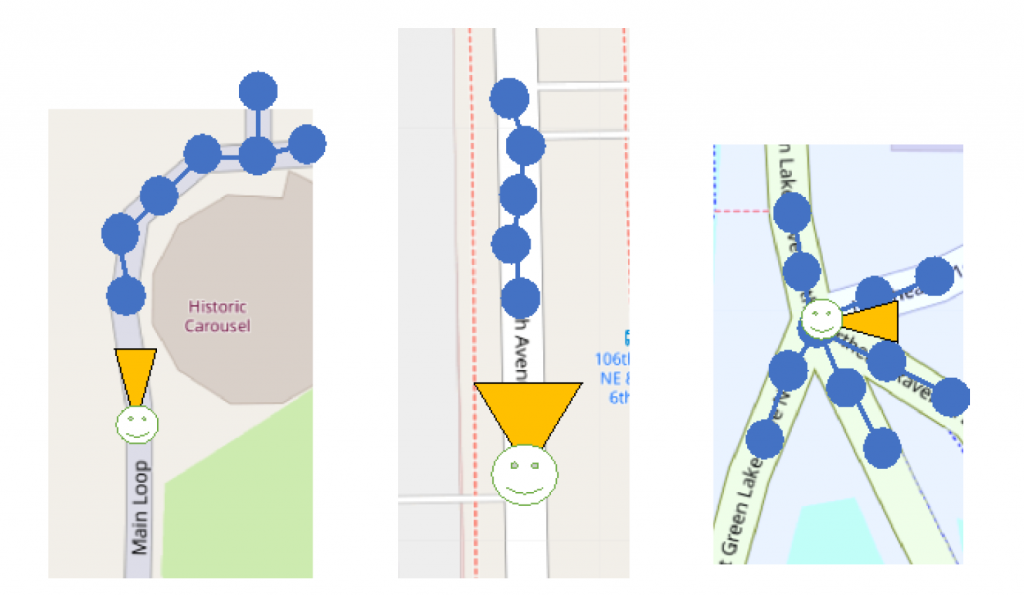
AVE: Audio Virtual Exploration for people who are blind or low vision
Audio-based virtual navigation experiences present an opportunity for people who are blind or have low vision to increase their familiarity with an area before traveling. Such experiences could also increase people’s excitement and confidence in…
Video
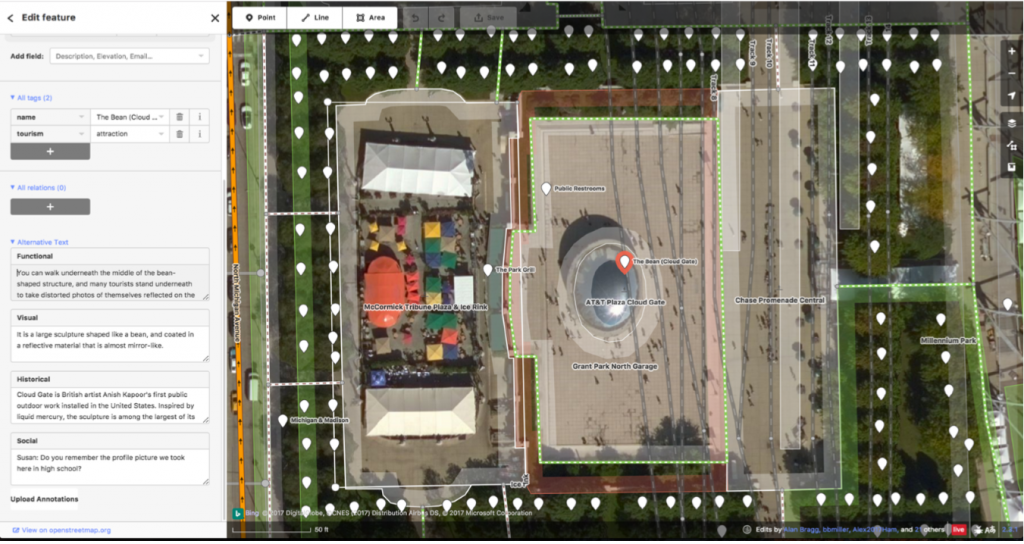
FootNotes: Geo-referenced Audio Annotations for Nonvisual Exploration
Video accompanying the FootNotes IMWUT article.
Video
SeeingVR: A Set of Tools to Make Virtual Reality More Accessible to People with Low Vision
Video figure accompanying a CHI 2019 paper on the same topic. The research paper will be available in January 2019.