Microsoft Research Blog

Artificial intelligence

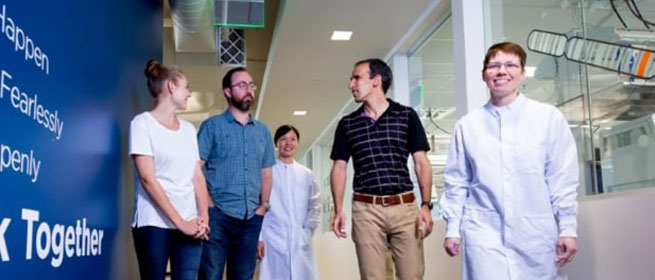
  1. Group of men and women walking down a lab hallway

    Research Collection: Research Supporting Responsible AI 

    April 13, 2020

    Microsoft is committed to the advancement and use of AI grounded in principles that put people first and benefit society. We are putting these principles into practice throughout the company by embracing diverse perspectives, fostering continuous learning, and proactively responding as AI technology evolves.
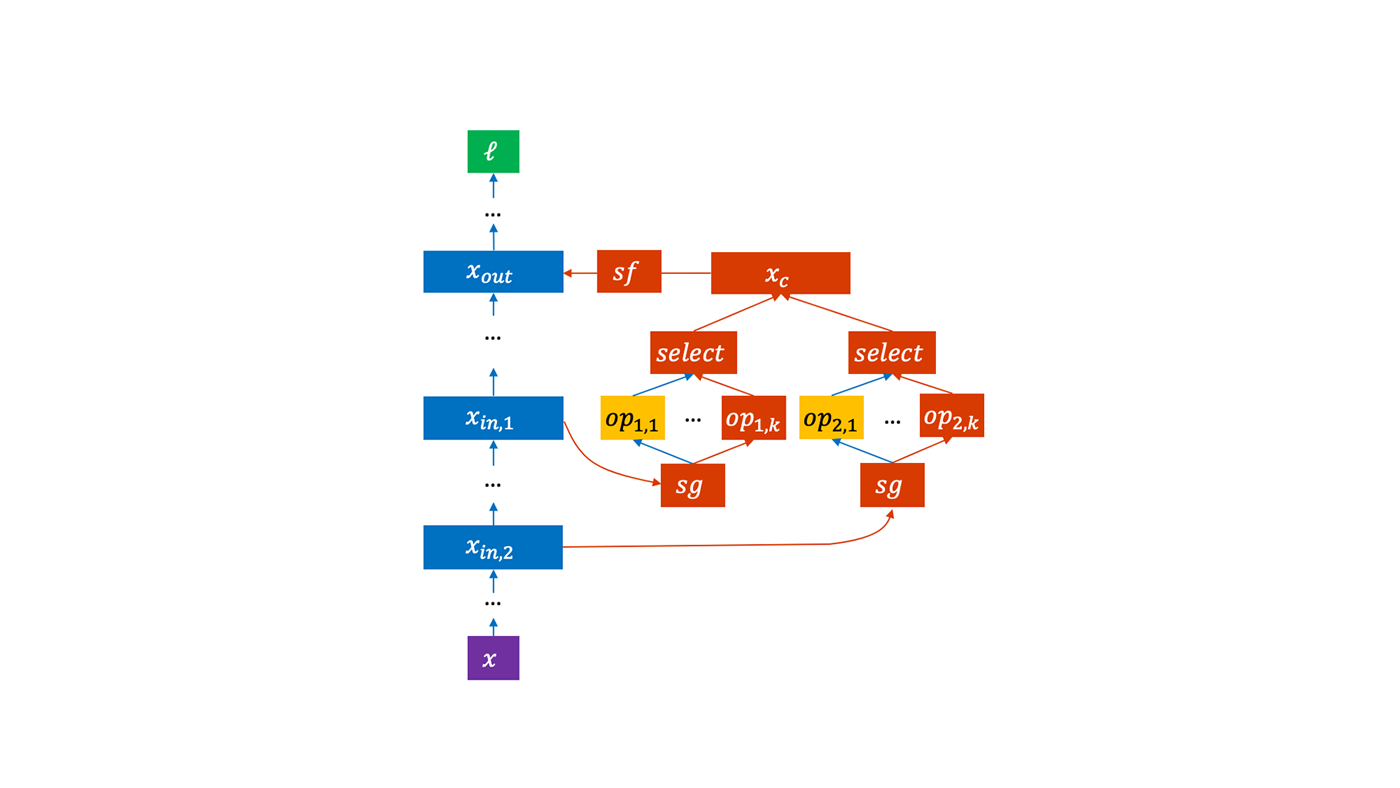
  2. Project Petridish: Efficient forward neural architecture search 

    December 9, 2019 | Debadeepta Dey

    Having experience in deep learning doesn’t hurt when it comes to the often mysterious, time- and cost-consuming process of hunting down an appropriate neural architecture. But truth be told, no one really knows what works the best on a new dataset and task. Relying on…

  3. Autonomous soaring – AI on the fly 

    May 7, 2019 | Andrey Kolobov

    The past few years have seen tremendous progress in reinforcement learning (RL). From complex games to robotic object manipulation, RL has qualitatively advanced the state of the art. However, modern RL techniques require a lot for success: a largely deterministic stationary environment, an accurate resettable…

  4. Minimizing gaps in information access on social networks while maximizing the spread 

    May 6, 2019 | Benjamin Fish

    Lots of important information, including job openings and other kinds of advertising, are often transmitted by word-of-mouth in online settings. For example, social networks like LinkedIn are increasingly used as a way of spreading information about job opportunities, which can greatly affect people’s career development.…

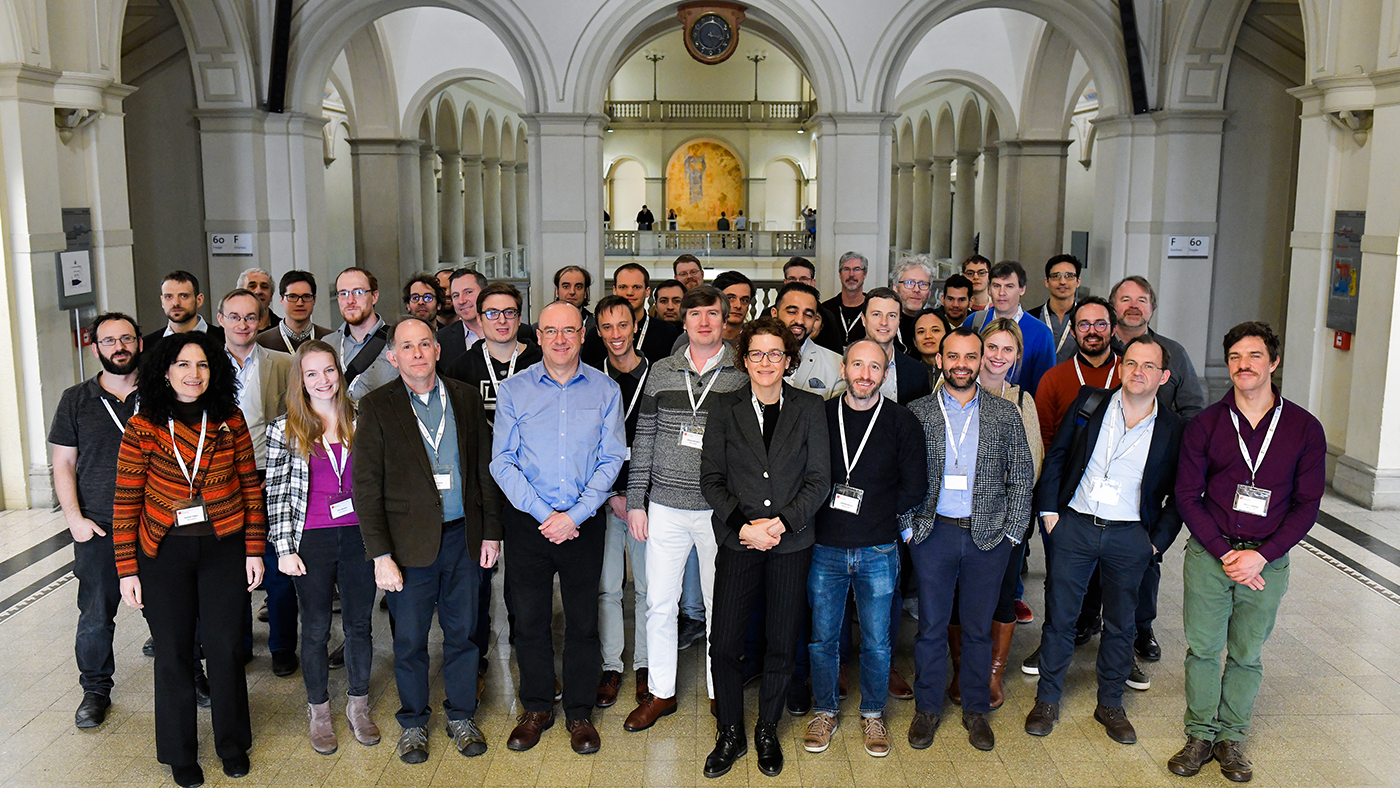
  5. Launching a new round of projects in the Swiss JRC – Research with impact 

    February 5, 2019 | Scarlet Schwiderski-Grosche

    January 31, 2019 marked the start of the sixth workshop for the Swiss Joint Research Center (Swiss JRC), an innovative and successful collaborative research engagement between Microsoft Research and the two universities that make up the Swiss Federal Institutes of Technology—ETH Zurich (ETH) and EPFL.…

  6. Getting efficient with “What-happens-if …” 

    February 1, 2019 | Adith Swaminathan and Emre Kiciman

    Causal inference studies the relationship between causes and effects. For example, one kind of question that causal inference can answer is the “What-happens-if …” question. What happens if I take a specific medication? What happens if I raise the price of a product? What happens…

  7. aerial view of crowded freeways and interchanges

    Traffic updates: Saying a lot while revealing a little 

    January 28, 2019 | John Krumm and Eric Horvitz

    The idea of crowdsourcing traffic data has been around for a while: If we can get vehicles on the roads to upload their current speeds, then we can get instant, up-to-date data on how fast traffic is moving for well-traveled segments. This is useful for…

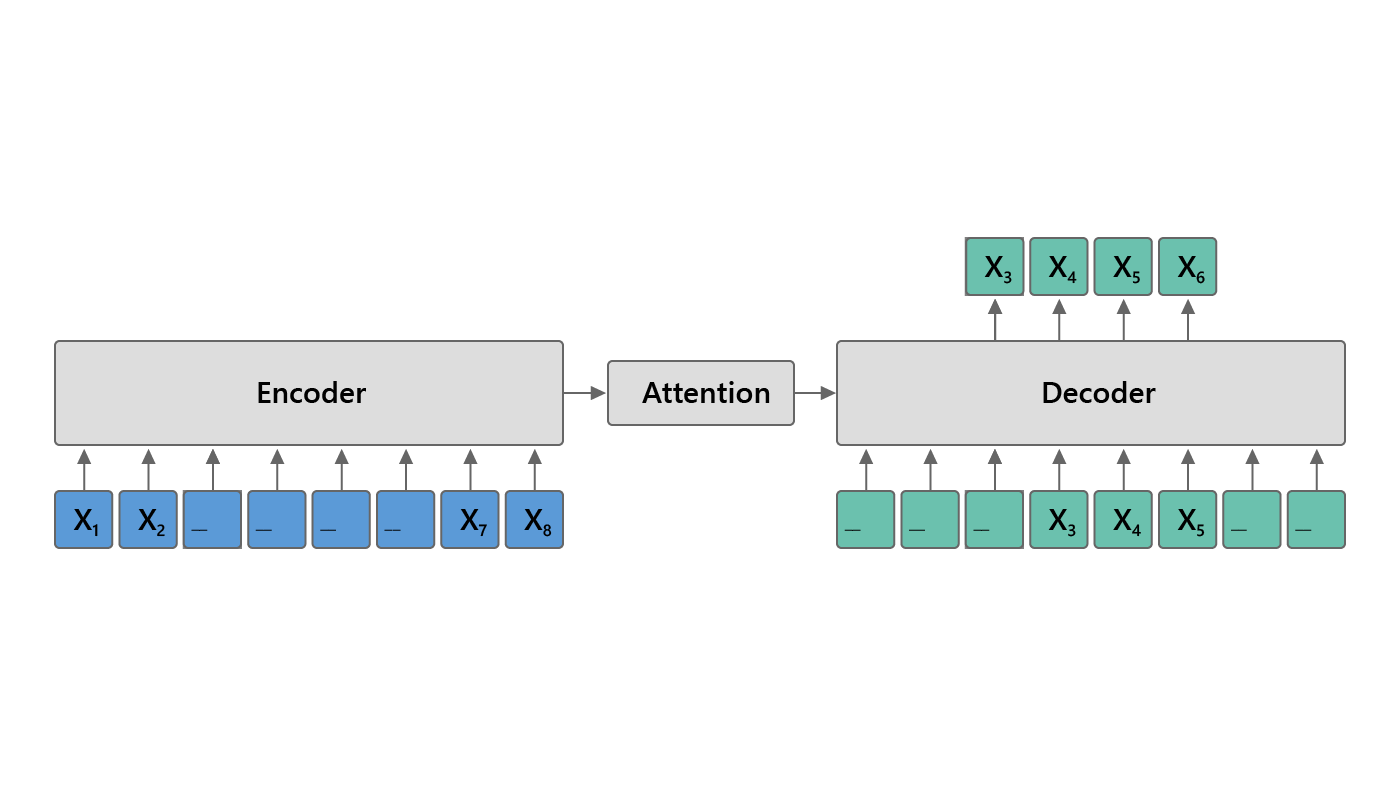
  8. Creating better AI partners: A case for backward compatibility 

    January 25, 2019 | Besmira Nushi and Ece Kamar

    Artificial intelligence technologies hold great promise as partners in the real world. They’re in the early stages of helping doctors administer care to their patients and lenders determine the risk associated with loan applications, among other examples. But what happens when these systems that users…