Microsoft Research Blog

Microsoft SEAL open source homomorphic encryption library gets even better for .NET developers! 

February 21, 2019 | Kristin Lauter, Kim Laine, Hamed Khanpour, and Ester de Nicolas
Since its open-source release on December 3rd 2018, Microsoft SEAL has become one of the world’s most popular homomorphic encryption libraries and has been adopted by security and privacy professionals world-wide in both academia and industry. Thanks to the fact that it is written in…

Recent Posts

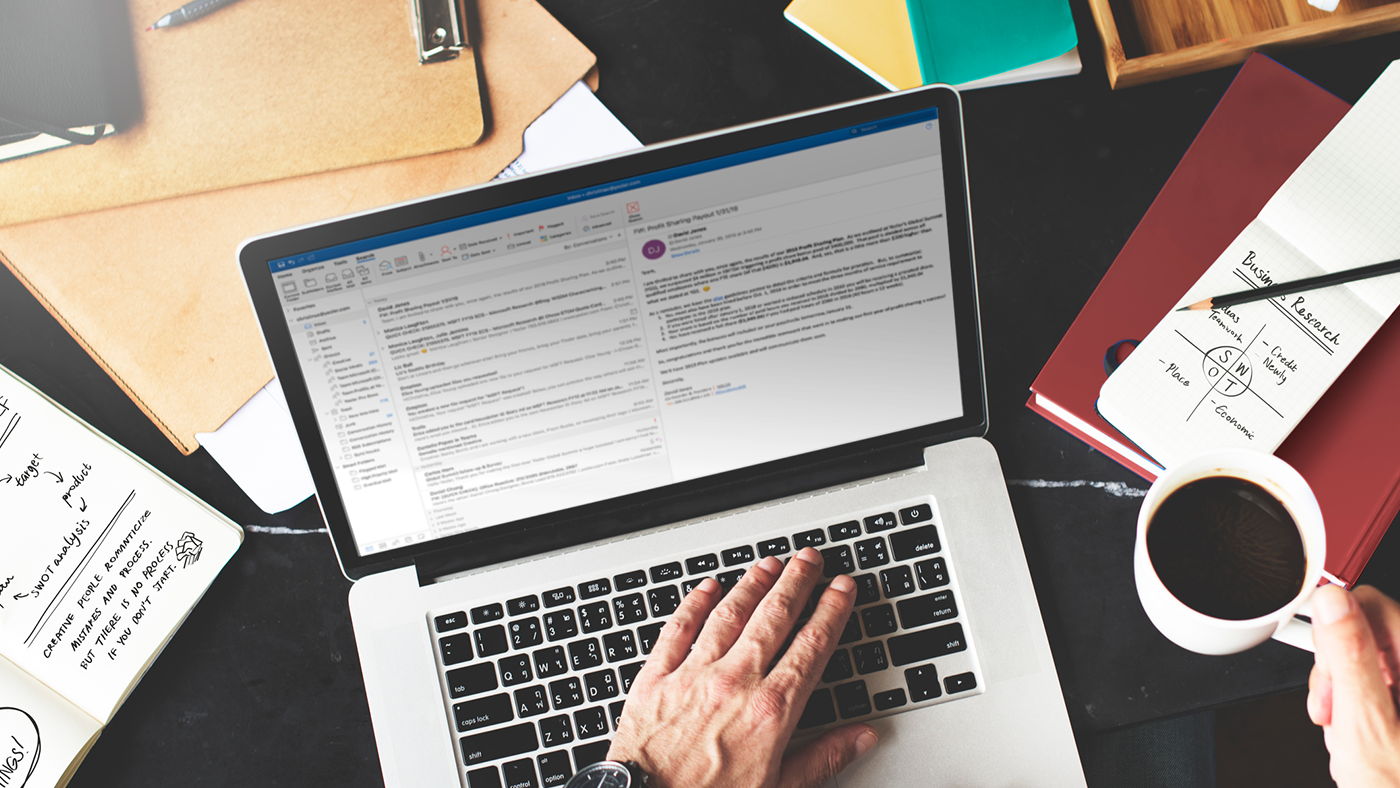
  1. a person sitting at a table using a laptop

    What are the biases in my data? 

    February 13, 2019 | Adam Tauman Kalai

    One challenge with AI algorithmic fairness is that one usually has to know the potential group(s) that an algorithm might discriminate against in the first place. However, in joint work with Maria De-Arteaga, Nathaniel Swinger, Tom Heffernan, and Max Leiserson, we automatically enumerate groups of…

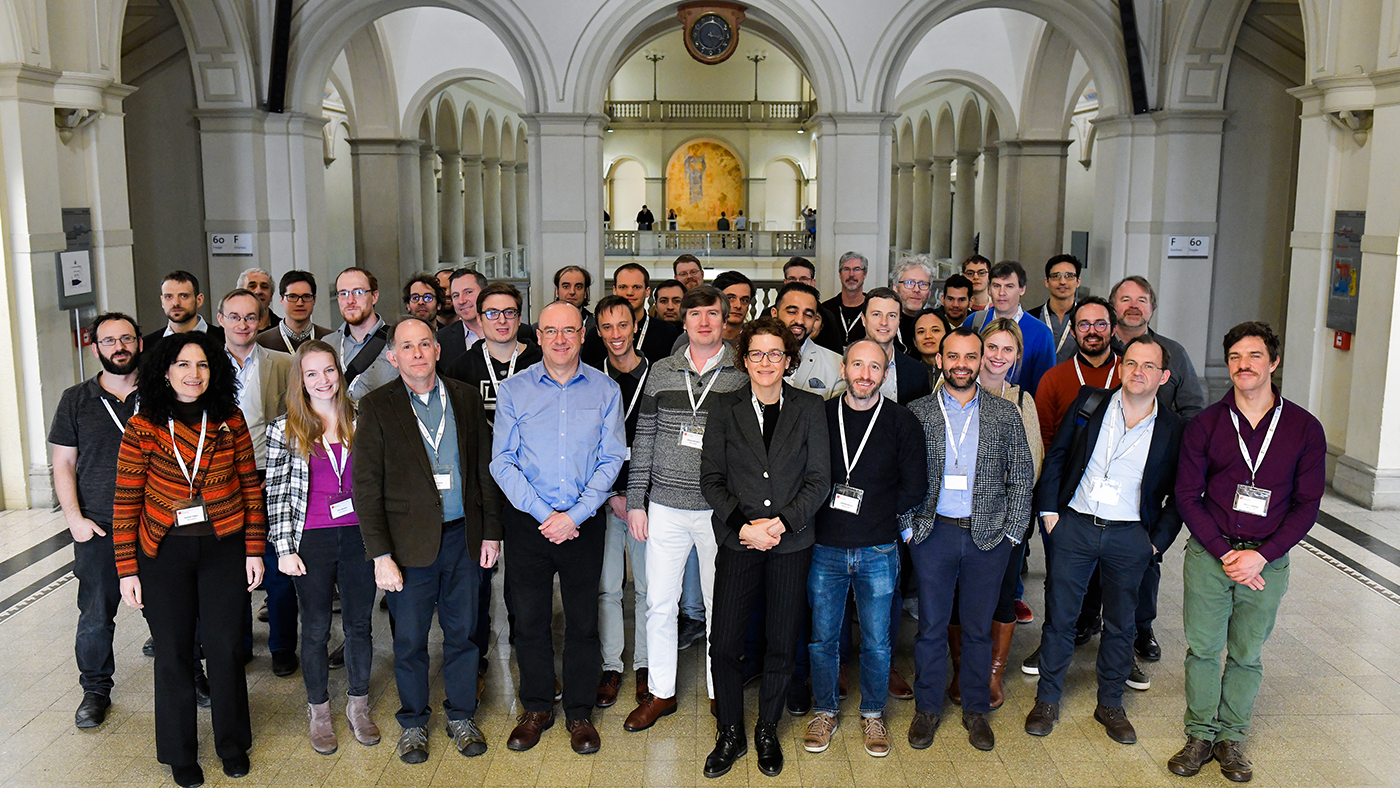
  2. Launching a new round of projects in the Swiss JRC – Research with impact 

    February 5, 2019 | Scarlet Schwiderski-Grosche

    January 31, 2019 marked the start of the sixth workshop for the Swiss Joint Research Center (Swiss JRC), an innovative and successful collaborative research engagement between Microsoft Research and the two universities that make up the Swiss Federal Institutes of Technology—ETH Zurich (ETH) and EPFL.…

  3. Getting efficient with “What-happens-if …” 

    February 1, 2019 | Adith Swaminathan and Emre Kiciman

    Causal inference studies the relationship between causes and effects. For example, one kind of question that causal inference can answer is the “What-happens-if …” question. What happens if I take a specific medication? What happens if I raise the price of a product? What happens…

  4. aerial view of crowded freeways and interchanges

    Traffic updates: Saying a lot while revealing a little 

    January 28, 2019 | John Krumm and Eric Horvitz

    The idea of crowdsourcing traffic data has been around for a while: If we can get vehicles on the roads to upload their current speeds, then we can get instant, up-to-date data on how fast traffic is moving for well-traveled segments. This is useful for…

  5. Creating better AI partners: A case for backward compatibility 

    January 25, 2019 | Besmira Nushi and Ece Kamar

    Artificial intelligence technologies hold great promise as partners in the real world. They’re in the early stages of helping doctors administer care to their patients and lenders determine the risk associated with loan applications, among other examples. But what happens when these systems that users…

  6. bacteria under a microscope

    Scientists discover how bacteria use noise to survive stress 

    January 22, 2019

    Mutations in the genome of an organism give rise to variations in its form and function—its phenotype. However, phenotypic variations can also arise in other ways. The random collisions of molecules constituting an organism—including its DNA and the proteins that transcribe the DNA to RNA—result…

Explore More

  • Events & conferences

    Events & conferences 

    Meet our community of researchers, learn about exciting research topics, and grow your network

  • Podcasts

    Podcasts 

    Ongoing conversations at the cutting edge of research

  • Microsoft Research Forum

    Microsoft Research Forum 

    Join us for a continuous exchange of ideas about research in the era of general AI